


Vintage French Perfume Flask
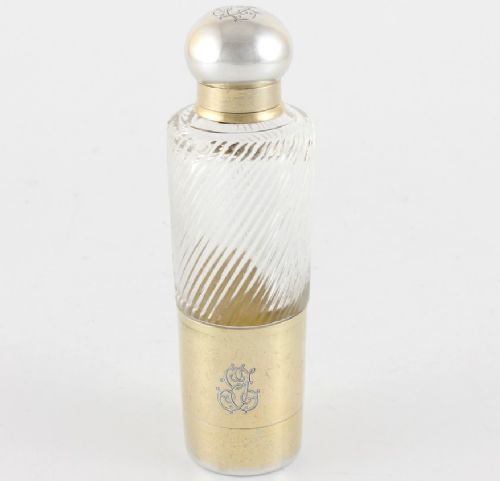
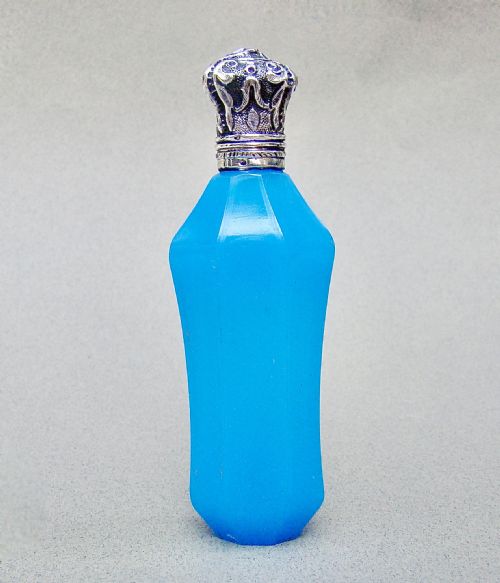
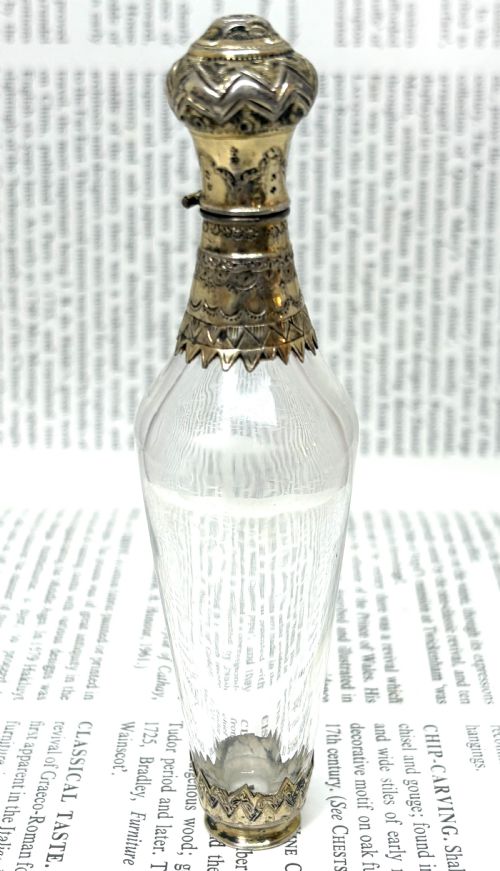
These vintage french perfume flask examples combine glass and silver mountings, offering a tangible piece of vanity history for collectors.
Vintage French Perfume Flask
When you search for a vintage french perfume flask, you encounter vessels designed for vanity use and portable toilette items. These pieces range from early nineteenth century silver gilt mounted scent bottles to twentieth century moulded glass designs.
The selections on this page frequently include works by noted makers from the Art Deco and Art Nouveau periods. Moulded, frosted, and opalescent glass bodies often appear alongside sterling silver mounts and guilloche enamel details.
Early nineteenth century examples sit alongside nineteen-twenties and nineteen-thirties creations, demonstrating shifts in European dressing table accessories. Buyers find both simple glass phials and elaborate silver-topped vanity bottles.
Materials and construction methods
Glass production forms the foundation of these objects, utilising clear, cut, frosted, opalescent, and moulded techniques. Makers shaped the glass into botanical and geometric motifs typical of Belle Epoque and Art Deco styles.
Metalwork complements the glass elements through sterling silver and silver gilt mountings. Enamel work, specifically guilloche enamel, and paper labels also appear on select historical flasks.
Specialised decorative treatments include red staining on moulded surfaces and intricate metal collars fitted to bottle necks. These combined techniques secure the stoppers while framing the glass body.
Some bottles carry secret pill boxes tucked into their silver mountings, ready for nineteenth century headaches.
Distinctions in quality
The refinement of the glass moulding and the crispness of frosted or opalescent details distinguish standard vessels from superior examples. Master glassmakers achieved depth and luminosity that lesser workshops failed to replicate in their production.
The execution of the silver mounts and enamel work provides another measure of standard. Heavy sterling silver castings and precise guilloche patterns indicate higher craftsmanship than thin, plain metal elements.
Rene Lalique·Sabino·Tonnel Paris
The Vintage French Perfume Flask Glossary
- Opalescent glass
- Glass that diffuses light to display a milky, bluish appearance. This effect was heavily utilised by twentieth century makers to catch the light on vanity items.
- Guilloche enamel
- Decorative metalwork covered with translucent enamel over an engraved pattern. It frequently adorns the caps and collars of twentieth century scent bottles.
- Silver gilt
- Silver that has been coated with a thin layer of gold. It appears on mountings from the early nineteenth century and earlier periods.
- Frosted glass
- Glass treated to achieve a matte, non-reflective surface texture. This finish highlights sculptural details and floral motifs on decorative flasks.
Vintage French Perfume Flask: Frequently Asked Questions
How do I identify an Art Deco scent bottle?
Art Deco scent bottles generally feature geometric shapes, stylised floral motifs, and moulded glass techniques typical of the nineteen-twenties and nineteen-thirties.
Makers from this era often combined clear glass with frosted elements or coloured staining to emphasise the clean lines of the design.
What materials were used for nineteenth century flasks?
Nineteenth century examples primarily utilise clear or coloured glass paired with silver gilt or sterling silver mountings.
These earlier pieces often display hand-cut facets or smooth glass bodies rather than the intricate machine moulding seen in later decades.
How should I display opalescent vanity bottles?
Opalescent glass requires adequate lighting to properly reveal its milky blue shifts and translucent qualities.
Placement near natural light sources on a dressing table or within a glass cabinet allows the surface details to catch and scatter the illumination.
Are stoppers original to the bottles?
Original stoppers match the specific glass type, mould, and period of the main vessel body.
Evaluating the fit and the consistency of the glass colour or frosting helps determine whether the stopper has remained with the flask since its manufacture.