
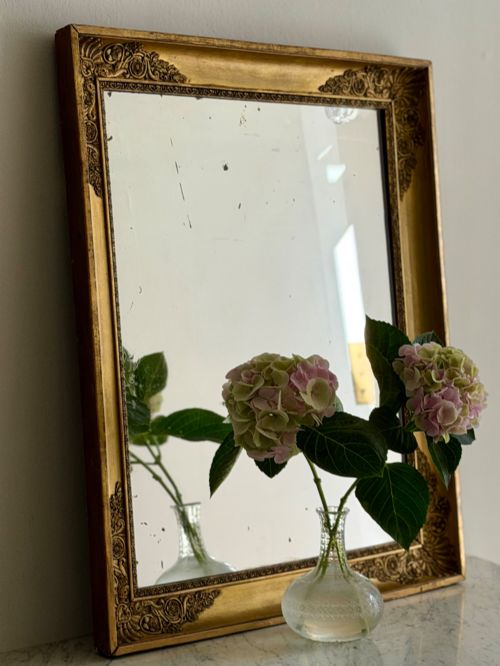
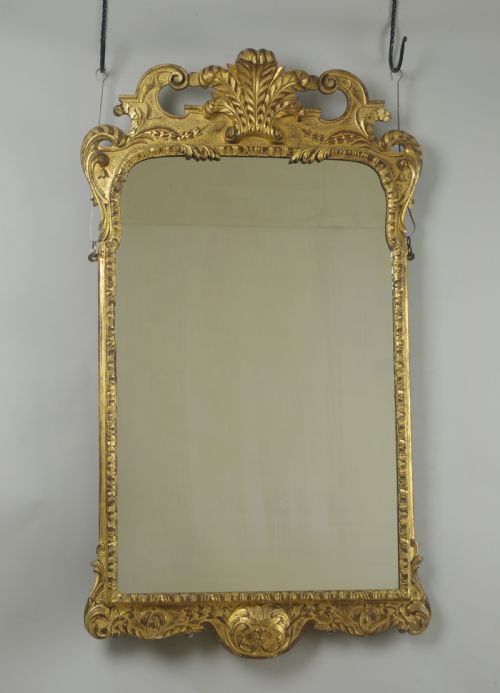
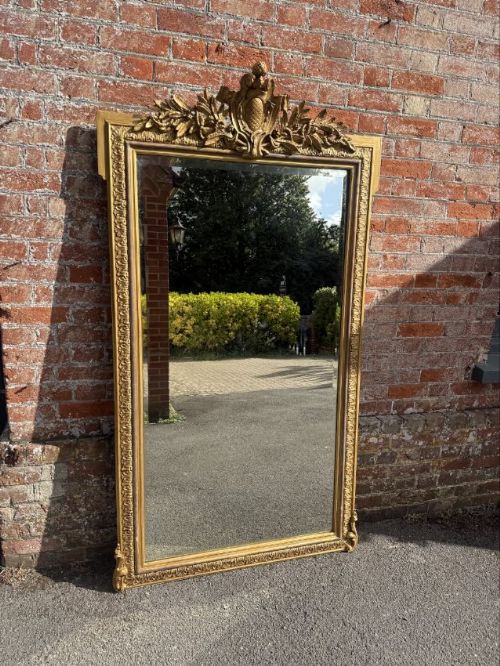
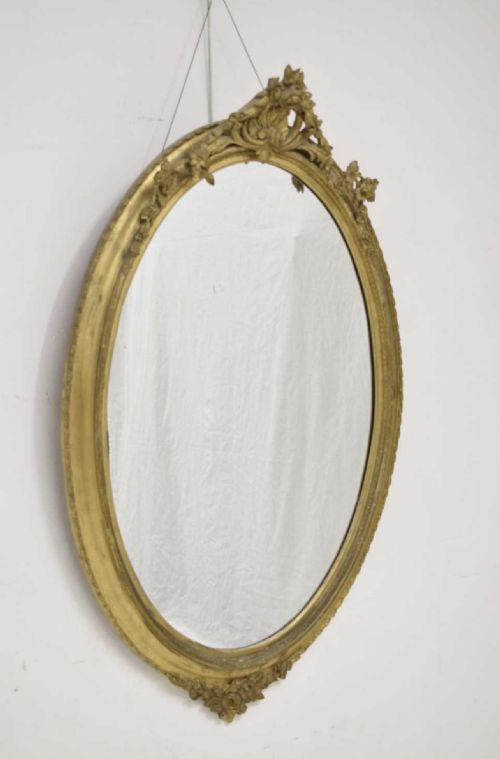
Vintage French Ornate Mirror
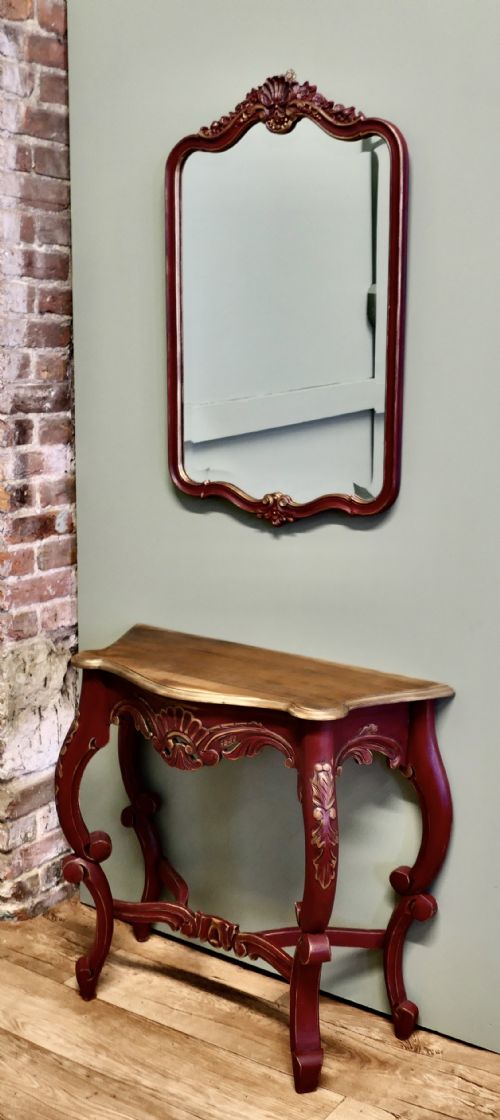
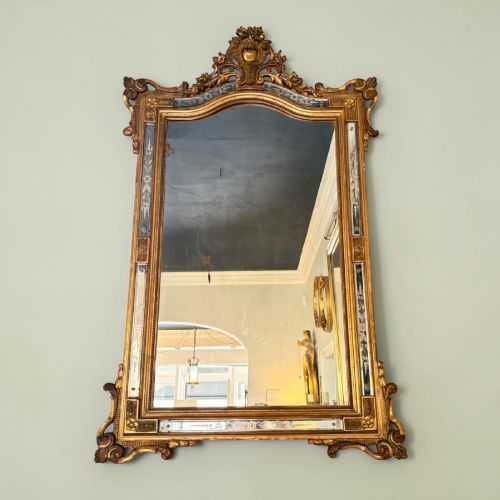
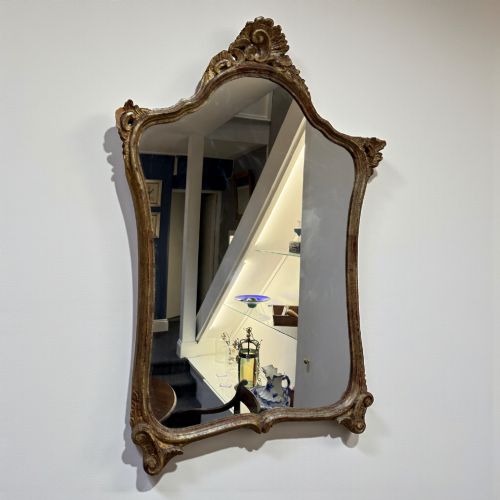
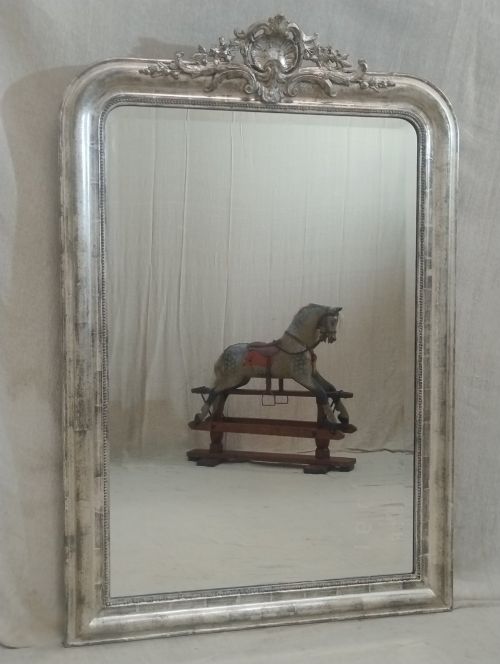
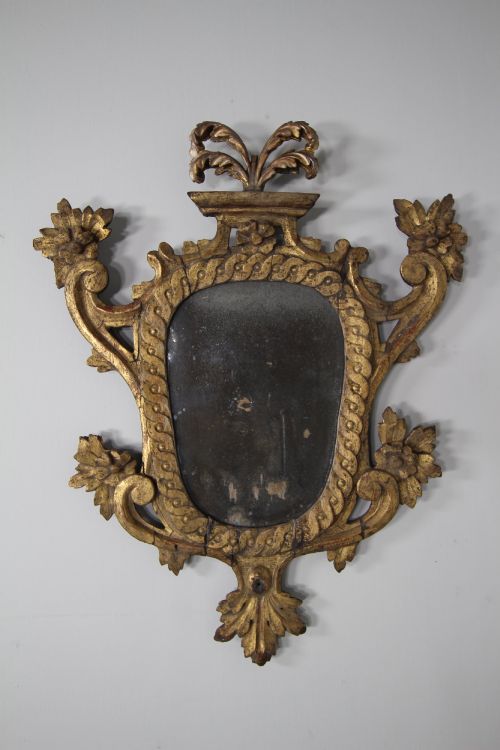
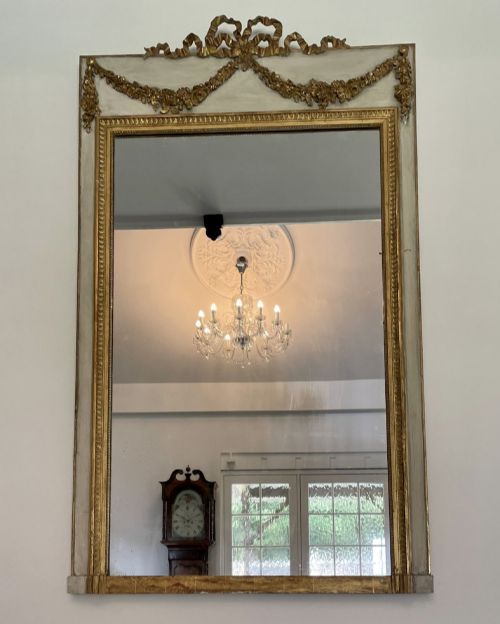
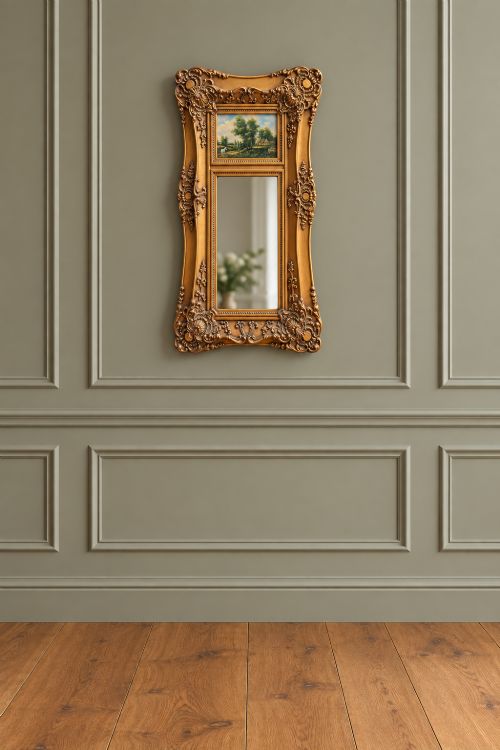
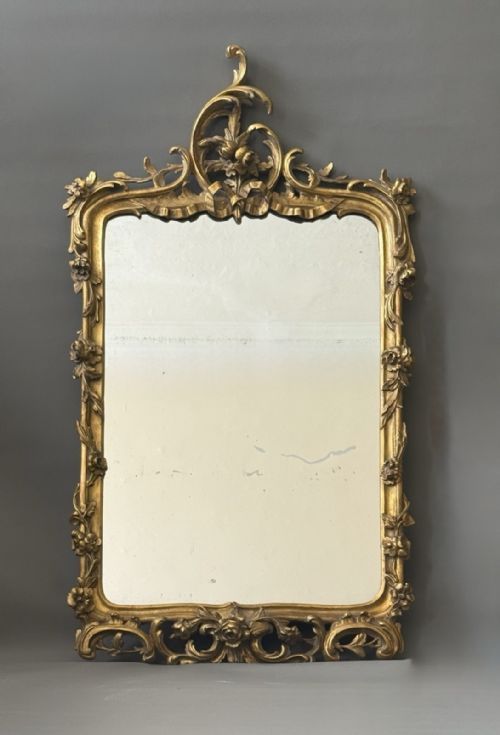
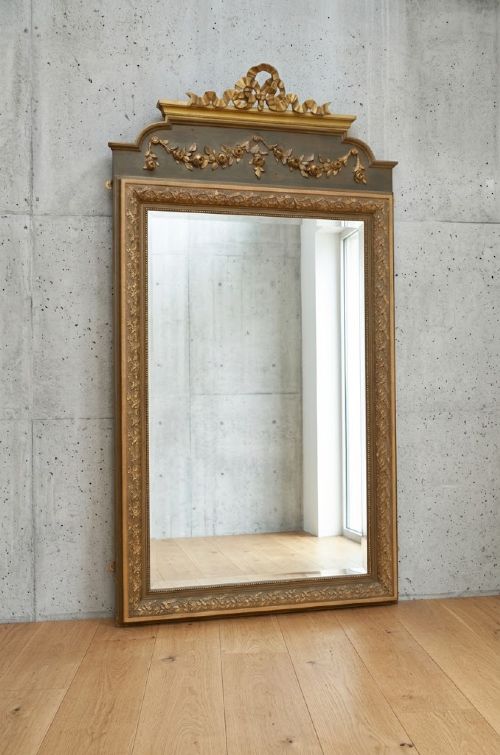
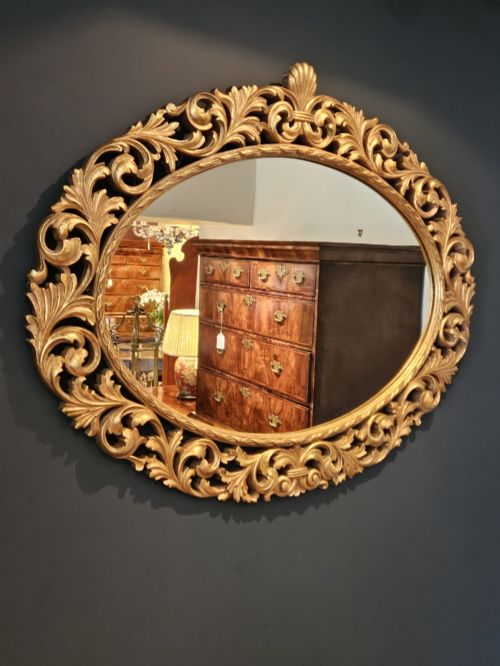
A vintage french ornate mirror brings dramatic height and gilded reflection to a room, drawing the eye with sweeping scrolls and carved crests.
Vintage French Ornate Mirror
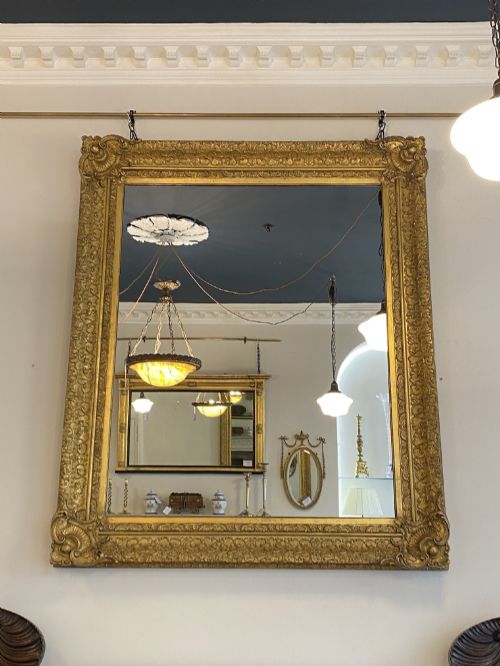
A vintage french ornate mirror captures the decorative exuberance of historical design, appearing in forms from grand overmantels to compact table mirrors. The selection relies heavily on nineteenth-century pieces alongside eighteenth-century examples, manifesting the enduring influence of Rococo revival and French chateau styles.
Buyers encounter wall mirrors, full-length leaner mirrors, and oval dressing glasses framed in carved wood, gilt gesso, and cast bronze. These objects span from compact Edwardian table pieces to imposing nineteenth-century overmantels designed to anchor a formal interior.
The aesthetic leans towards asymmetrical curves, floral motifs, and ribbon crests that reflect continental craftsmanship. Pieces range from straightforward oak frames to heavily gilded compositions featuring bevelled plates and antique mirror glass.
Materials and construction methods
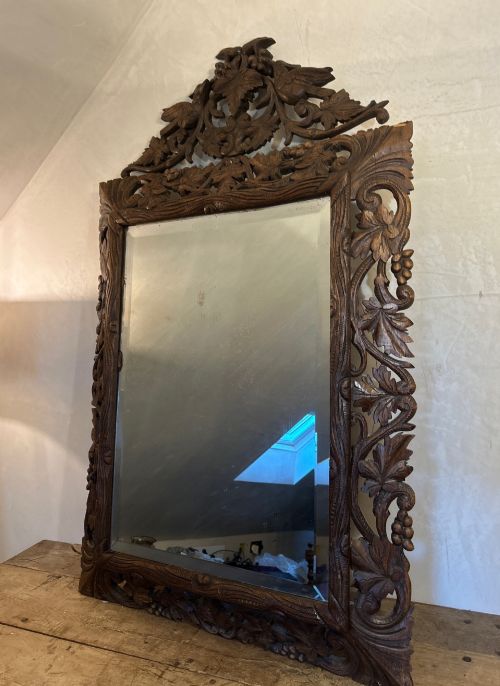
Frames are constructed from timber foundations such as oak or pine, which are then shaped with carved detail or built up using moulded gesso and composition ornament. Giltwood and gold leaf finishes are applied over prepared surfaces, creating the luminous metallic sheen characteristic of the style.
Cast metals like gilt bronze and solid brass form the structure of smaller table mirrors and decorative easel frames, sometimes incorporating champleve enamel work. Glass plates include early mercury plate and antique bevelled glass, held within deep rebates and secured at the back with traditional wooden panels.
Listings span from eighteenth-century originals to early twentieth-century interpretations, featuring materials like solid brass, gilt bronze, and carved oak.
Evaluating craftsmanship and condition
Quality rests in the crispness of the hand-carved detail and the depth of the gesso relief work, where sharp, undercut foliage distinguishes superior workshops from mass-produced moulding. The integrity of the original gilding, whether gold leaf or composition, determines how light catches the surface contours.
The glass plate itself reveals much about the origin, with genuine antique silvering and bevelled edges offering authenticity that modern replacement glass lacks. Structural sturdiness in large overmantels and leaner mirrors ensures the heavy timber frames support the glass safely without sagging at the joints.
The Vintage French Ornate Mirror Glossary
- Gesso
- A plaster-like mixture applied to wooden frames as a base for gilding or painting, allowing intricate relief ornamentation to be moulded onto the surface.
- Giltwood
- Timber that has been coated with gold leaf or metal leaf, providing a rich metallic finish that responds warmly to interior light.
- Overmantel mirror
- A large horizontal mirror specifically proportioned to hang above a fireplace mantelpiece, serving as a primary focal point in a reception room.
- Rococo Revival
- A nineteenth-century design movement that revives the asymmetrical scrolls, shell motifs, and naturalistic curves of the eighteenth-century French style.
- Mercury plate
- An older type of mirror glass produced using a tin and mercury amalgam before the introduction of modern chemical silvering processes.
Vintage French Ornate Mirror: Frequently Asked Questions
How do I hang a heavy antique mirror safely?
Large overmantel and full-length leaner mirrors require robust wall fixings anchored directly into masonry or secure wall studs. Using heavy-duty mirror plates and weight-rated brackets ensures the substantial timber and glass frame remains secure.
Professional installation is recommended for oversized pieces, particularly when mounting mirrors above fireplaces where weight distribution and wall strength are critical factors.
What is the difference between gesso and carved wood?
Carved wood involves shaping the solid timber frame directly using gouges and chisels, resulting in sharp, organic details that follow the grain of the material. Gesso is a plaster mixture applied over a simpler wooden core and moulded into decorative relief patterns.
Many antique pieces combine both techniques, using a timber base with applied gesso ornaments to achieve elaborate decorative depth efficiently.
How should I clean antique mirror glass and frames?
Gilded frames require gentle dusting with a soft, dry brush to prevent damage to delicate gesso and gold leaf surfaces. Moisture and modern chemical cleaners should be kept away from the frame entirely to preserve the historic finish.
Glass plates can be wiped sparingly with a soft cloth dampened slightly with distilled water or a mild glass cleaner, taking care not to let liquid seep behind the edges into the silvering.
How can I tell a nineteenth-century mirror from a later reproduction?
Nineteenth-century mirrors typically exhibit hand-beveled glass, older backboards held with handmade or early machine screws, and natural shrinkage cracks in the gesso over time. The weight and density of the timber frame often reflect older construction methods.
Examining the uniformity of the carving and the composition of the gilding helps reveal whether a piece dates to the Victorian or Edwardian eras rather than a recent decorative workshop.