

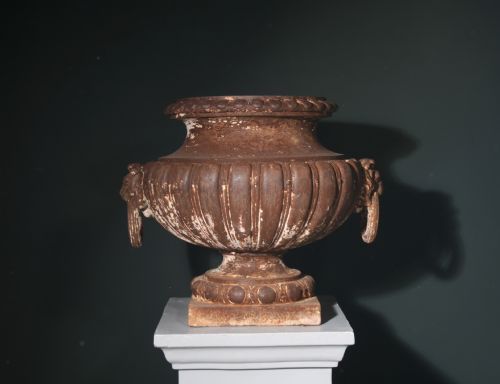


Vintage French Metal Vessel
A vintage french metal vessel brings warmth and history to a room, offering robust utility cast in copper, brass, iron, and pewter.
Vintage French Metal Vessel
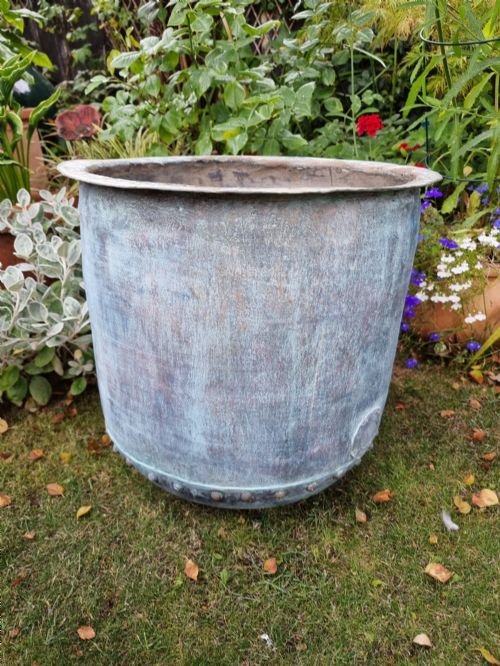
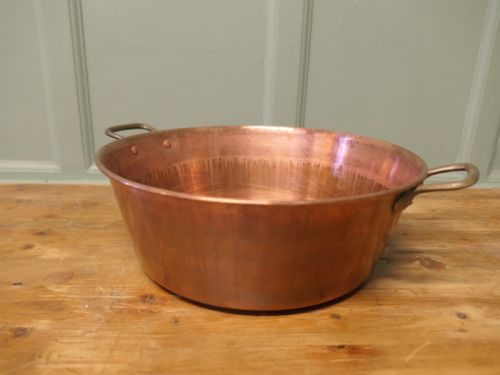
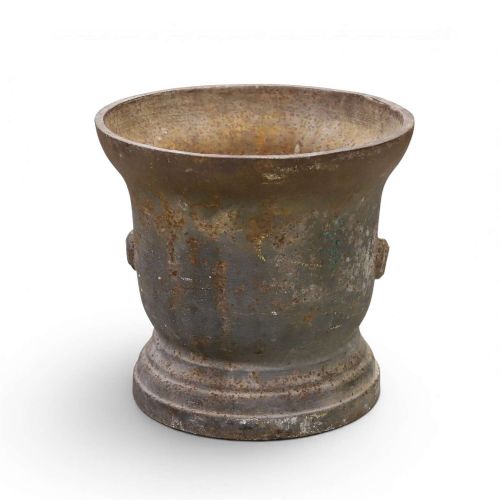
A vintage french metal vessel encompasses functional and decorative objects originating from French chateaux, farmhouses, and provincial kitchens, spanning periods from the eighteenth century to the early twentieth century. You will most frequently encounter large copper preserving pans, garden planters, and heavy cast iron mortars that reflect utilitarian domestic and agricultural roots.
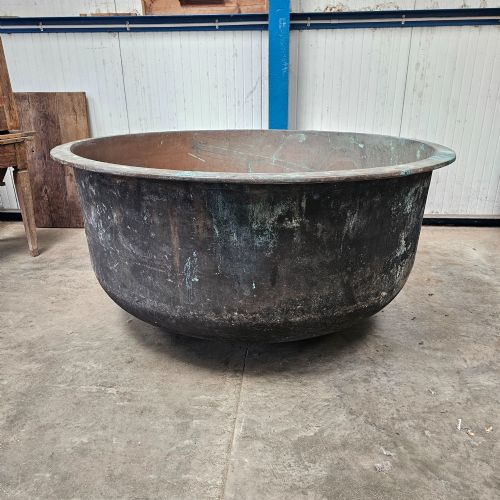
The forms range from utilitarian cheese vats, cauldrons, and grape picking hottes to decorative Art Nouveau bronze vases and cloisonne enamel jardinieres. These pieces carry the distinct aesthetic of French country, rustic farmhouse, and neoclassical design traditions.
Makers and foundries such as the Val d'Osne foundry also produced heavy cast iron urns intended for architectural or garden display. Whether styled with chased floral decoration or left plain for stark industrial utility, each piece serves as a tangible link to European craft history.
Assessing quality and character
Quality in these metal vessels rests upon the thickness of the gauge, the integrity of the original joins, and the depth of hand-worked detailing rather than uniform perfection. Pieces featuring chased floral decoration or marked foundry origins demonstrate a higher degree of artisan effort.
Surface patination reveals how a vessel aged through decades of use in a French kitchen or garden. Retaining original iron handles, brackets, or fitted brass elements elevates the visual coherence and historical integrity of the piece.
Some nineteenth-century French cheese vats are so large they likely held enough curd to feed an entire Alpine village.
Val d'Osne Foundry
The Vintage French Metal Vessel Glossary
- Dinanderie
- The art of working non-ferrous metals such as copper and brass into decorative vessels and cauldrons. This technique saw a significant revival during the Art Nouveau and Art Deco periods.
- Jardiniere
- An ornamental pot or stand designed to hold growing plants or flowers. These are frequently cast in iron, bronze, or finished with enamel.
- Ferrat
- A traditional French copper vessel or bucket used historically in agricultural settings. They often feature robust iron handles for heavy lifting.
- Cloisonne
- An ancient technique for decorating metal object surfaces using enamel held within thin metal wire compartments. It appears on select nineteenth-century jardinieres.
- Mortar
- A heavy bowl, typically made of cast iron or stone, used with a pestle for crushing ingredients. Chateau and apothecary examples are notably thick-walled.
Vintage French Metal Vessel: Frequently Asked Questions
How were copper preserving pans used?
These large copper pans were traditionally used over open fires or stoves for boiling down fruit and sugar into jams, as copper conducts heat exceptionally evenly.
Today, they make striking fireplace log holders or decorative floor accents in rustic and traditional interiors.
Can I use an antique mortar for cooking?
Nineteenth-century cast iron mortars were originally designed for heavy kitchen or apothecary compounding, making them physically robust enough for crushing spices.
Many collectors prefer to display them as sculptural objects rather than for active culinary use to preserve their interior patination.
What is a grape picking hotte?
A hotte is a large conical backpack container traditionally worn by workers to harvest grapes during the French wine vintage.
In modern display, these metal and iron vessels serve as unusual wall pockets or floor standing display pieces.
How do I care for antique brass and copper?
These metal surfaces respond best to gentle dusting and occasional waxing if you wish to maintain their current aged patination without stripping the historical skin.
Harsh chemical polishes should be avoided because they remove the dark oxidation that gives antique French metal its depth.