


Vintage French Candlestick Pair
A vintage french candlestick pair brings classic illumination and refined metalwork to a room, offering genuine period character.
Vintage French Candlestick Pair
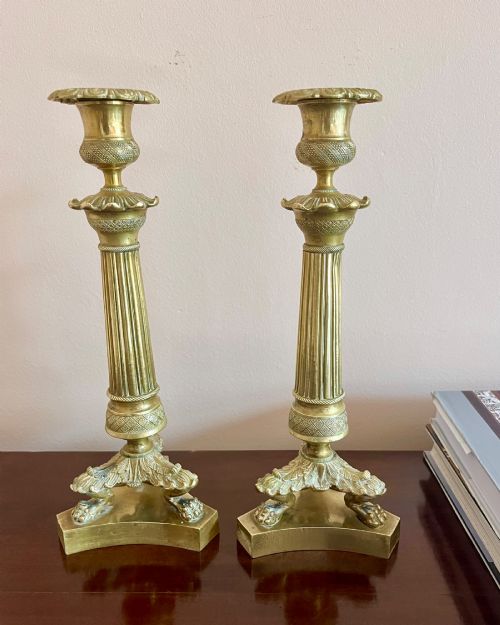
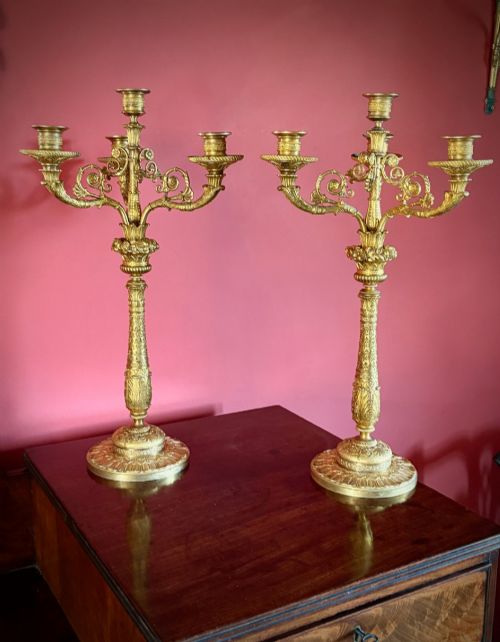
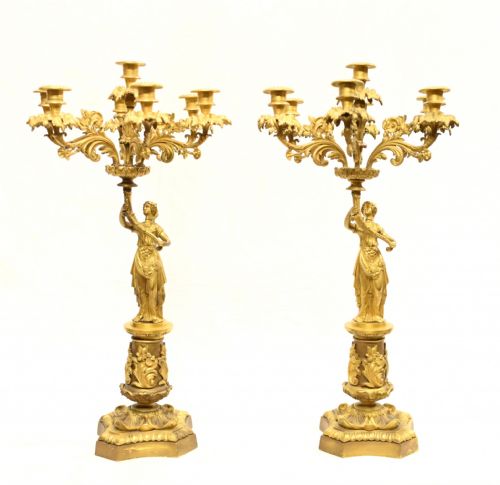
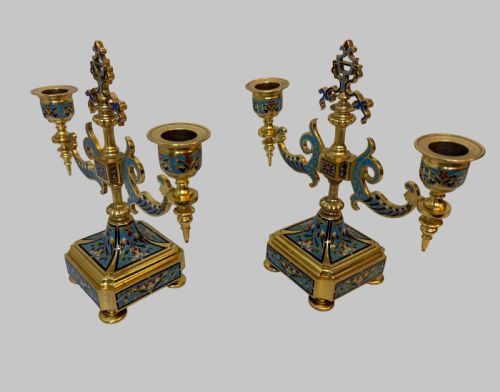
When you search for a vintage french candlestick pair, you encounter dual items designed to hold taper candles or support later electrification. The selection spans the nineteenth and early twentieth centuries, drawing heavily upon neoclassical, empire, and rococo revival design traditions.
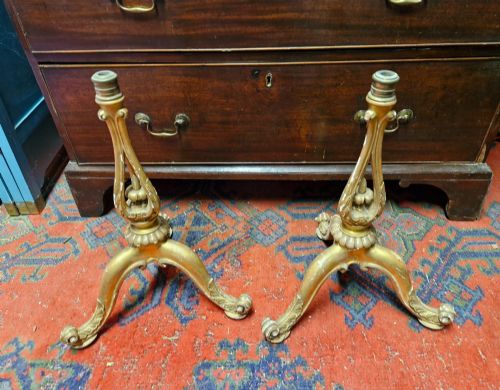
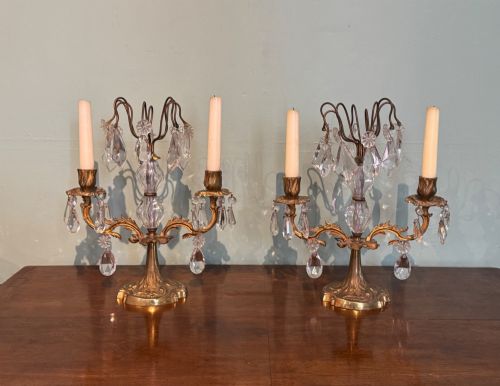
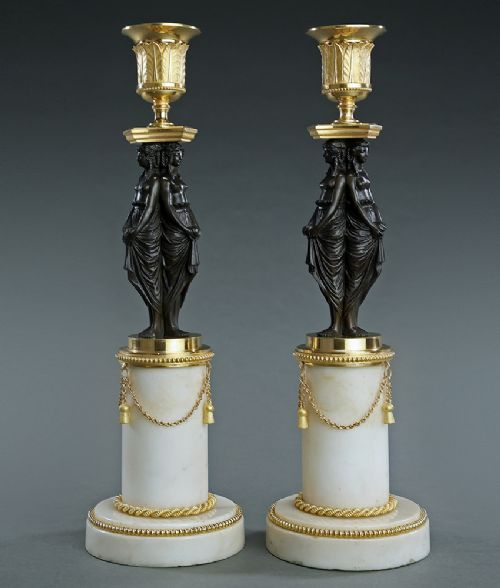
Most examples found on this page consist of cast metals, including brass, bronze, and ormolu, occasionally incorporating marble, onyx, or glass elements. Forms range from simple column shapes to multi-armed candelabra and figural supports like caryatids.
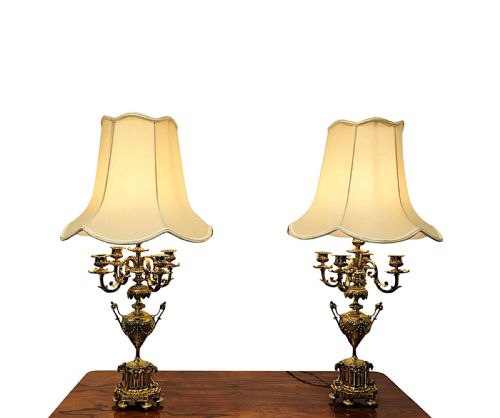
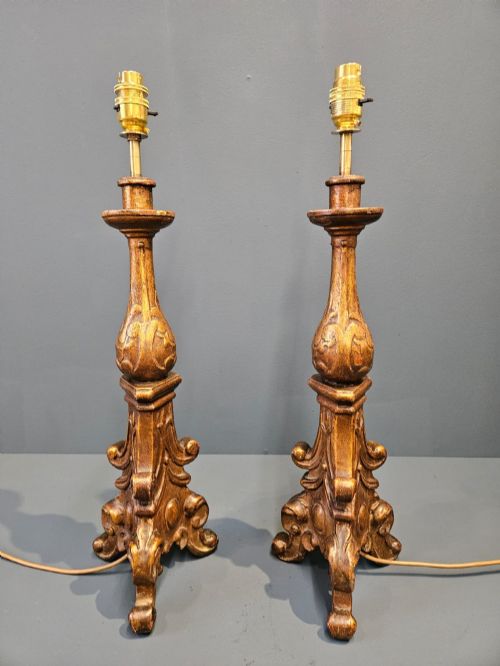
While many retain their original configuration for wax candles, several pieces show historical conversion into table lamps. These dual items anchor a mantelpiece, sideboard, or console table with symmetrical nineteenth and early twentieth century presence.
How they were made
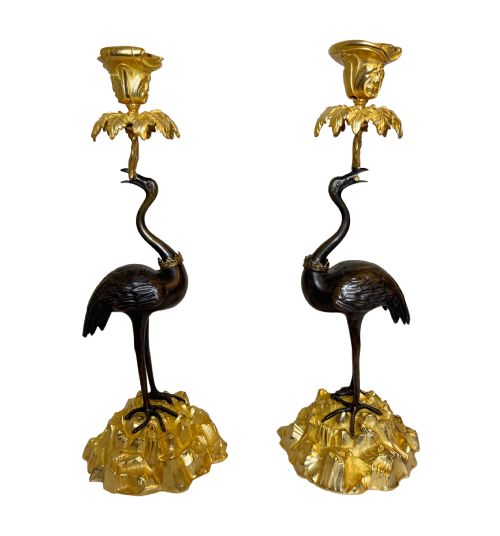
Maker workshops relied upon metal casting techniques, utilising brass, bronze, and spelter to form structural bodies and decorative motifs. Ormolu application involved mercurial gilding on bronze, creating a durable golden surface layer that catches ambient light.
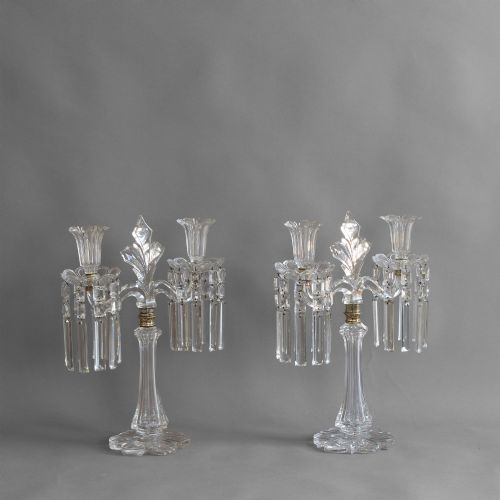
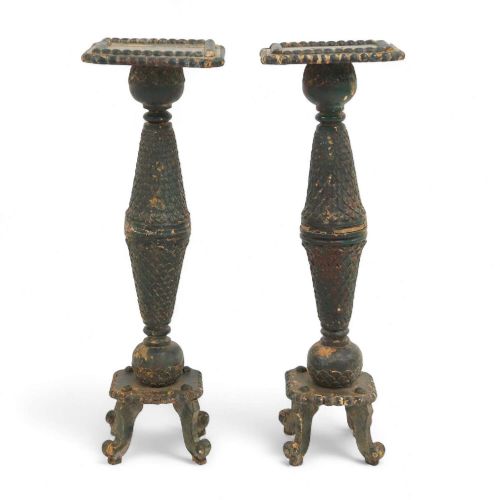
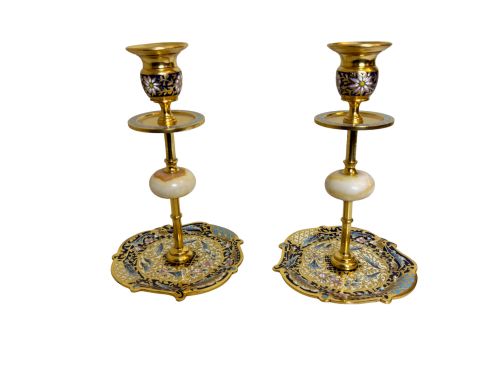
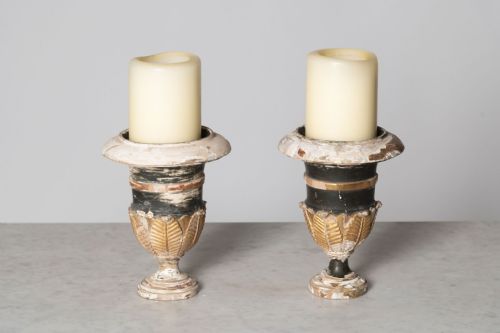
Many items incorporate champlevé enamel work, carved onyx or marble bases, and cut glass lustres secured to the metal framework. Secondary materials such as wood, treen, and original green paint appear on specific regional or decorative variations.
Listings feature items spanning the eighteenth through the early twentieth centuries, incorporating neoclassical and art nouveau styles.
What varies in quality
Quality rests upon the crispness of the metal casting and the depth of the chased surface detail. Superior items display sharp relief in figural motifs and foliage, whereas simpler pieces show softer contours from worn moulds.
The integrity of the gilding or patination dictates visual success, alongside the harmonious pairing of original components like drip pans, lustres, and stone bases.
Abel Landry·R Lalique
The Vintage French Candlestick Pair Glossary
- Ormolu
- Gilded bronze produced by applying a mercury and gold amalgam to a bronze object before heating. This technique creates a rich, enduring golden finish characteristic of high-end French metalwork.
- Champlevé
- An enamelling technique where troughs or cells are hollowed out of a metal surface and filled with vitreous enamel. The piece is then fired and polished flush with the surrounding metal.
- Caryatid
- A sculpted female figure serving as an architectural support in place of a column. They frequently appear supporting the main stem of neoclassical candlesticks.
- Spelter
- An alloy of zinc and lead used as a cheaper alternative to bronze for casting decorative objects. It was frequently bronzed or painted to simulate costlier metals.
- Lustre
- A glass pendant or prism hung from a lighting fixture to refract candle or lamp light. Pairs often feature cut glass lustres suspended around the bobeche.
Vintage French Candlestick Pair: Frequently Asked Questions
How do I clean antique brass candlesticks?
Dust gently with a soft dry cloth to preserve any existing surface patination and historic finishes. Avoid abrasive metal polishes that strip away the authentic ageing accumulated over centuries.
Keep them away from moisture and direct heat sources to protect underlying metals and mounted stones.
Were these converted to electric lamps recently?
Conversions frequently happened during the mid-twentieth century when households adopted modern lighting standards. Some alterations date closer to the initial period of use depending on domestic trends.
Inspect the wiring carefully and consult an electrician to ensure safety before plugging in any converted lighting piece.
How can I tell if they are true pairs?
Examine the base weight, casting marks, and minor height variations to confirm they started life together. Hand-chased details often exhibit subtle asymmetries unique to individual artisan hands.
Matching patination and identical component construction across both objects indicate an authentic matched set.