



Antique French Wooden Urns
Antique french wooden urns bring classical French grace to an interior, offering sculptural form and rich carved detail.
Antique French Wooden Urns
These items span several periods, including the eighteenth and nineteenth centuries, taking the form of standalone decorative urns, architectural elements, and complementary stands. Styles range from restrained neoclassical designs to more ornate revival aesthetics.
Each piece demonstrates the traditional craftsmanship of French cabinet makers and carvers working in wood. They function as striking focal points in domestic settings, retaining their historical character through centuries of use.
Materials and construction methods
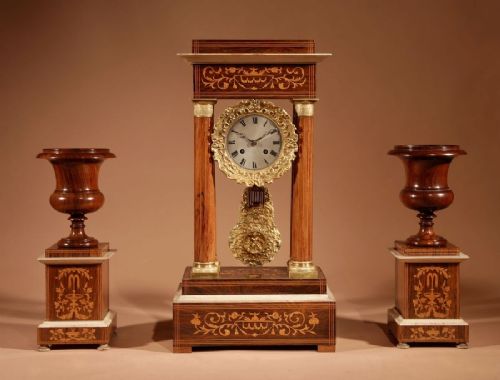
Makers fashioned these objects primarily from solid timber, shaping the material through hand carving to achieve sculptural depth. Woods such as mahogany and walnut provide the foundational structure for many pieces.
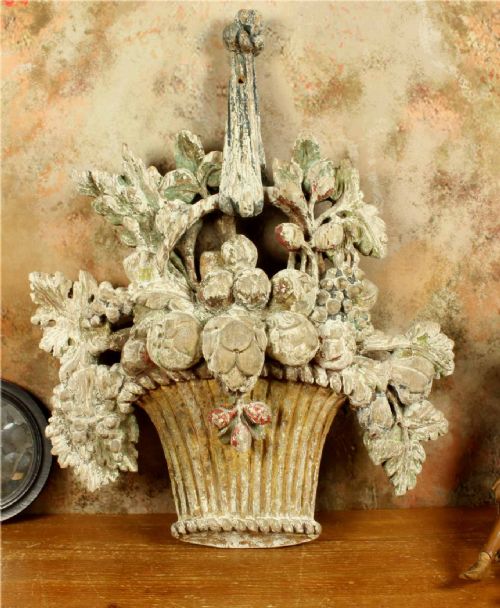
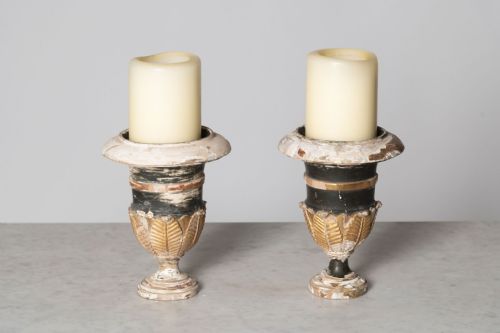
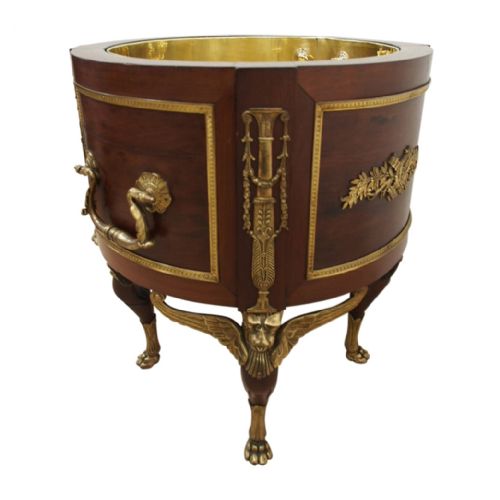
Surfaces frequently receive applied gesso and gold leaf or paint, creating rich decorative finishes that reflect light. Ormolu mounts and fabric details appear on specific forms, adding textural contrast to the carved wooden bodies.
Listings feature items from the eighteenth and nineteenth centuries, incorporating materials like carved wood, gesso, gold leaf, and ormolu.
Evaluating craftsmanship and execution
The sophistication of the hand carving dictates much of the visual distinction between pieces. Crisp, deep relief work and well-balanced proportions separate finer examples from simpler production.
The integrity of the surface finish, whether original gilding, paint, or exposed wood grain, plays a significant role in overall execution. Superior items retain harmonious ageing across their decorative layers.
The Antique French Wooden Urns Glossary
- Giltwood
- Wood that has been coated with gold leaf or powder over a prepared gesso ground. This technique creates a luminous, reflective surface characteristic of decorative French furniture.
- Neoclassical
- A style drawing inspiration from the classical art and architecture of ancient Greece and Rome. It emphasises symmetry, restraint, and classical motifs such as urns and foliage.
- Ormolu
- Finely chased and gilt bronze mounts applied to furniture and decorative objects. The method provides metallic contrast against wood and gilt surfaces.
- Torchere
- A tall stand or candlestick designed to support a light source or decorative object. These wooden supports often feature elaborate carving matching the aesthetic of period urns.
Antique French Wooden Urns: Frequently Asked Questions
How were wooden urns used historically?
These decorative objects served primarily as ornamental focal points within wealthy interiors, often displayed on mantelpieces, pedestals, or specialised stands. They reflected classical tastes and status in domestic rooms.
Over time, some carved forms were adapted into lamps or paired with decorative elements like tole flowers to suit changing interior fashions.
What woods were used in these pieces?
Cabinet makers utilised timbers such as mahogany, walnut, and various softwoods as bases for carving. The choice of wood depended on whether the surface was intended to show a natural grain or receive gesso and gilding.
Finer hardwoods provided stability for intricate detail work, ensuring the carved elements survived centuries of handling.
How do I identify the period of an urn?
Dating relies on observing stylistic markers, such as the geometric restraint of neoclassical pieces versus the ornate curves of later revival styles. Construction techniques and tool marks visible on the underside also offer clues to age.
Materials like hand-applied gold leaf and gesso formulations change subtly across centuries, helping specialists narrow down the decade of creation.
How do I care for giltwood and painted surfaces?
Preserving these finishes requires gentle dusting with a soft, dry cloth to prevent abrasion of the delicate gold leaf or paint layer. Direct sunlight and high humidity should be avoided to stop the wood underneath from expanding.
Water and chemical cleaning agents must not be applied, as moisture damages the traditional gesso and gilding foundation permanently.