




Vintage French Bronze Clock
A vintage french bronze clock brings classical ornament and precision engineering into a room, spanning styles from ornate Rococo to geometric Art Deco.
Vintage French Bronze Clock
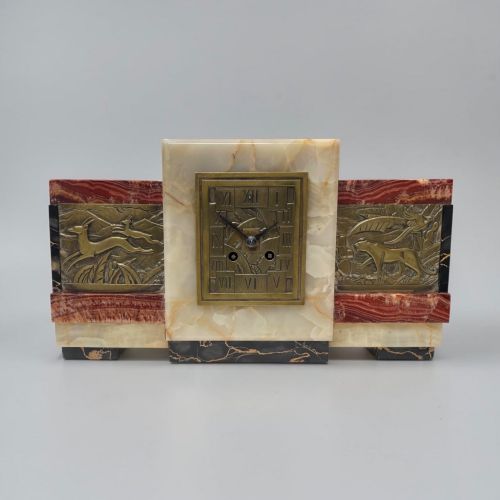
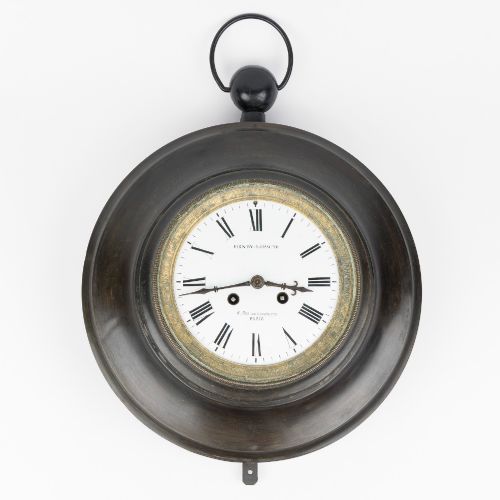
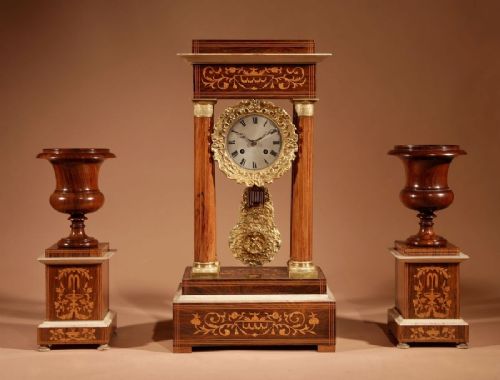
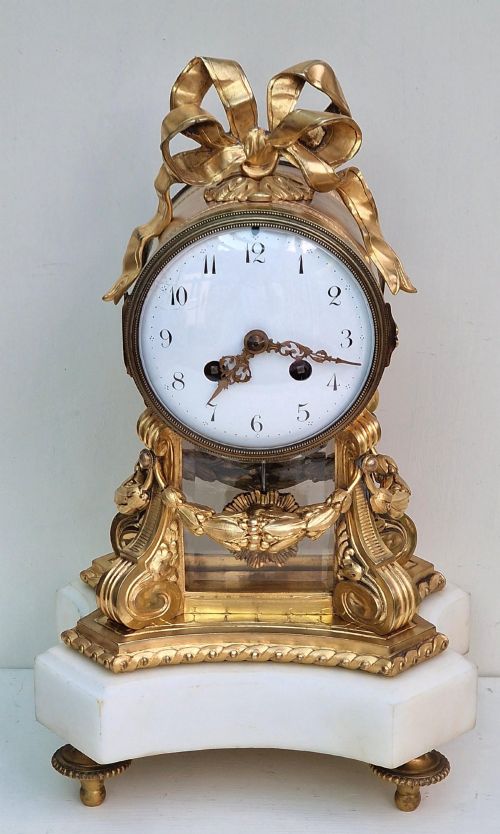
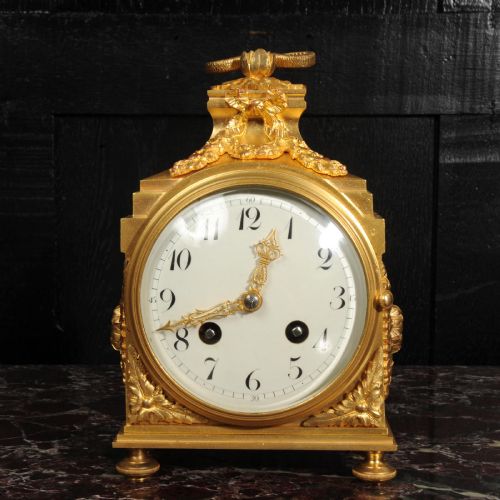
A vintage french bronze clock encompasses a broad range of mantel clocks, portico clocks, and clock garnitures originating from nineteenth and early twentieth century France. These timepieces display distinct decorative vocabularies, drawing on French Empire, Louis XIV, and Rococo Revival styles alongside later Art Deco designs.
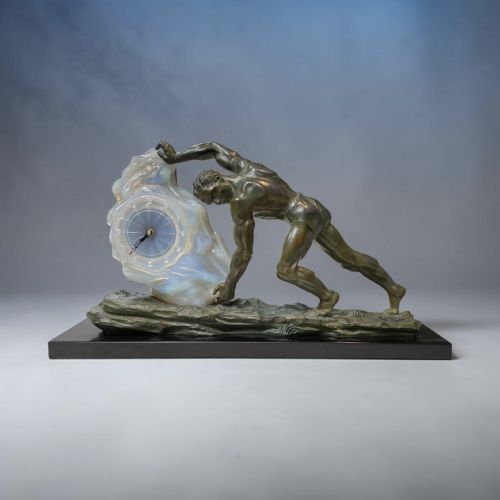
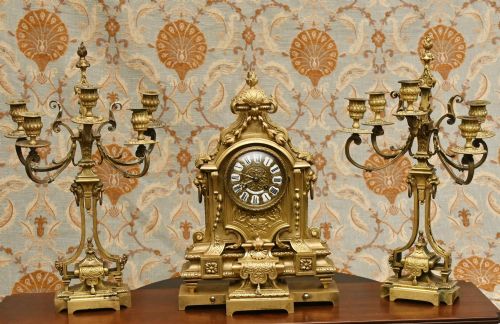
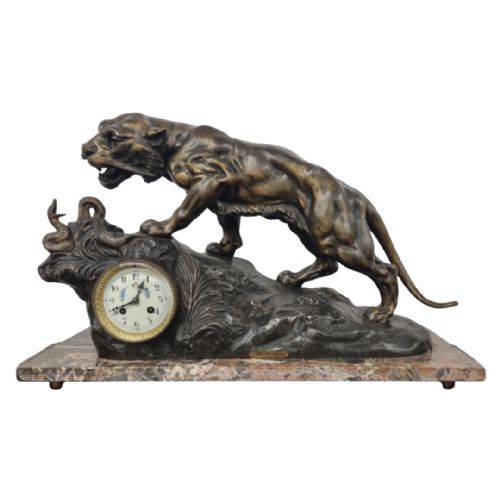
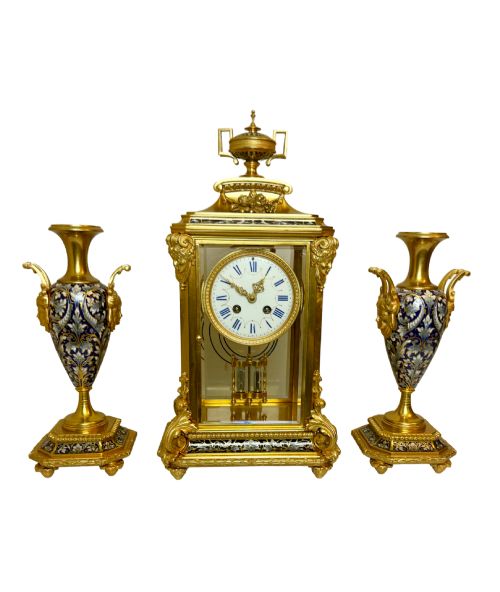
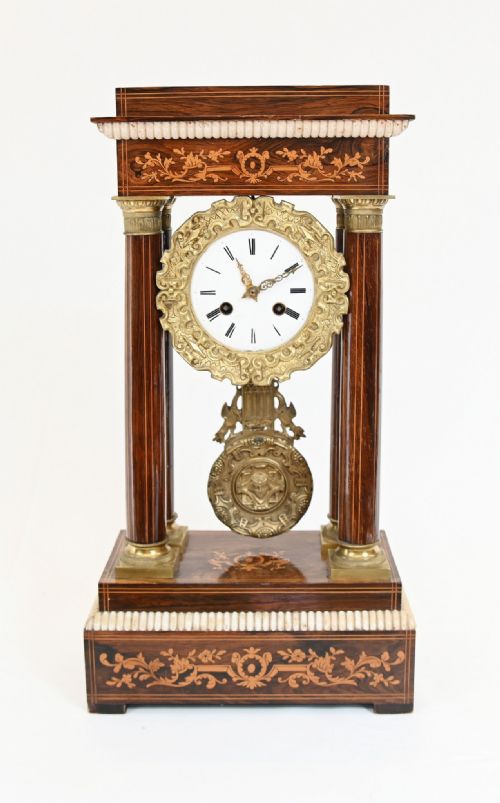
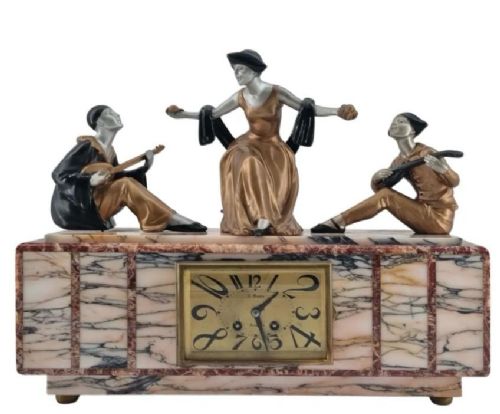
The mantel clock remains the primary form encountered, often accompanied by matching side vases or urns in complete clock sets. Pieces range from architectural marble and ormolu porticos to figural subjects depicting animals, mythological figures, and Harlequin characters like Pierrot and Columbine.
Makers and workshops utilised diverse housing materials, pairing cast bronze with white or red marble, onyx, tortoiseshell, and champleve enamel. Buyers encounter everything from compact carriage clocks and table clocks to large architectural statement pieces designed for prominent display.
Materials and construction
Foundries cast these clock housings in bronze, brass, and spelter, applying fire gilding or ormolu finishes to create lasting surface lustre. Mounts and figural elements were hand-chiselled and chased after casting to sharpen intricate foliate and scroll details.
Clockmakers housed mechanical movements featuring escapements and striking trains behind glass bezels and enamel dials. Cabinets incorporated contrasting natural elements including veined marble, onyx bases, tortoiseshell veneer, and inlaid wood marquetry.
Vintage French Bronze Clock Retail Price Guide 2026
Typical asking prices for vintage french bronze clock among the pieces listed under this phrase on Sellingantiques today, from the lower quarter to the upper quarter. They describe what is for sale here now, not the wider market.
Listings feature 19th Century, Victorian, and Art Deco periods, employing materials from champleve enamel to solid ormolu bronze.
Assessing quality
Quality rests upon the crispness of the bronze casting and the depth of the subsequent chasing work, where finer examples display sharp, undercut foliage rather than soft contours. The integration of the movement with the case, including matching serial numbers on the backplate and pendulum, distinguishes superior pieces.
The choice of secondary materials dictates overall refinement, separating standard brass and spelter alloys from heavy solid ormolu bronze housings mounted on genuine marble or onyx bases. Intricate decorative additions such as champleve enamel panels or hand-painted porcelain dial chapters elevate the status of the clock.
R Varnier·Sega·Jaeger·Louis Goret·Lenzkirch
The Vintage French Bronze Clock Glossary
- Ormolu
- Gilt bronze produced by applying a mercury and gold amalgam to a bronze base and firing it to drive off the mercury. This technique creates a durable, warm golden finish characteristic of decorative French clocks.
- Champleve enamel
- A technique where troughs or cells are hollowed out of the metal surface and filled with vitreous enamel powder before firing. The resulting coloured glass designs appear flush with the surrounding metal mount.
- Portico clock
- A distinct architectural mantel clock style shaped like a classical temple with four supporting columns. These frames typically house a suspended pendulum swinging centrally between the pillars.
- Clock garniture
- A matching set comprising a central clock flanked by coordinating side pieces such as urns, vases, or candelabra. Such ensembles were designed to sit symmetrically on a mantelpiece.
- Spelter
- An alloy of zinc and other metals utilised as a cheaper alternative to bronze for cast figures and clock cases. It takes patination and paint well but lacks the weight and structural density of genuine bronze.
Vintage French Bronze Clock: Frequently Asked Questions
What is a clock garniture?
A clock garniture is a matched decorative set consisting of a central mantel clock accompanied by two side pieces, typically urns or vases. These decorative sets were designed to create a balanced centrepiece on a fireplace mantel.
The matching side pieces share the exact materials and ornamentation of the main clock, such as ormolu mounts, marble bases, or enamel panels.
How do I wind an antique clock?
Antique mechanical clocks are wound using a specific key fitted to winding arbors on the dial face. Most mechanical movements require careful winding every eight days to maintain accurate timekeeping.
What is the difference between bronze and spelter?
Bronze is a heavy, durable copper alloy that accepts fine chasing and holds rich gilding or patination over centuries. Spelter is a softer, zinc-based metal utilised in less expensive decorative housings.
Spelter cases are lighter and more prone to surface fatigue or cracking around stress points compared to solid bronze.
Are these clocks suitable for daily use?
Many restored antique mechanical clocks function reliably for daily timekeeping when serviced by a professional horologist. Proper placement away from direct sunlight and drafts helps preserve sensitive enamel dials and delicate suspensions.
Striking mechanisms can be silenced if desired, though mechanical movements require periodic professional cleaning and oiling to operate correctly.