
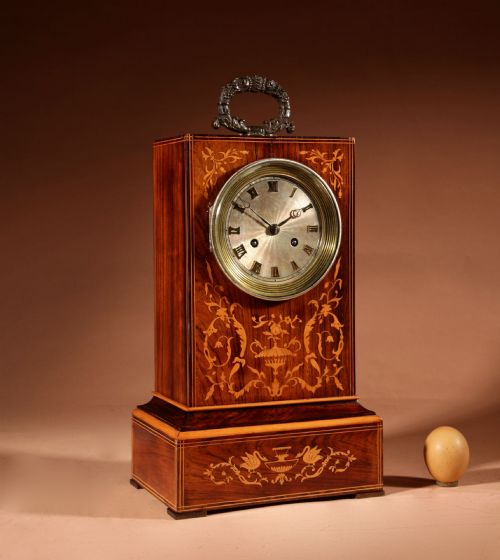
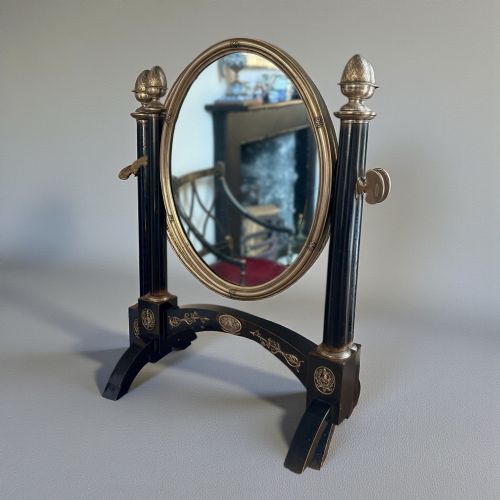
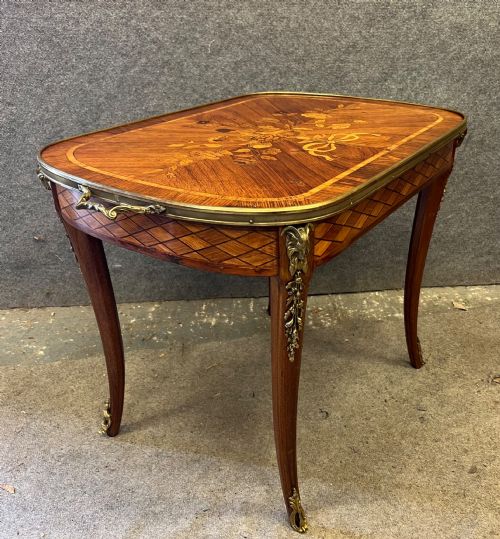
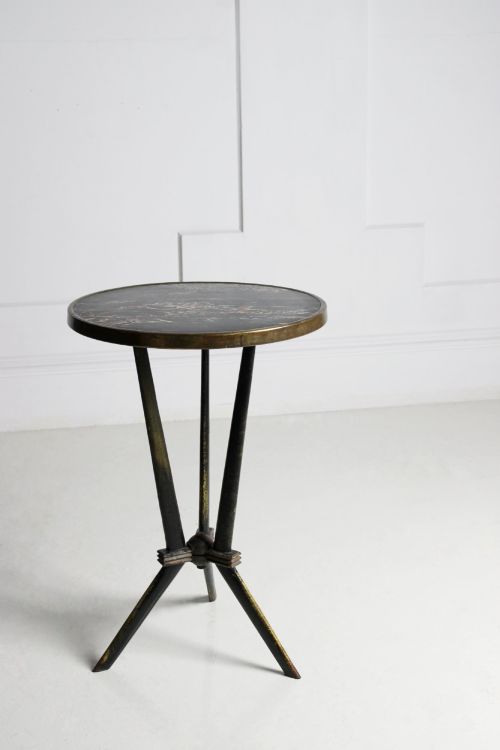
Vintage French Brass Table
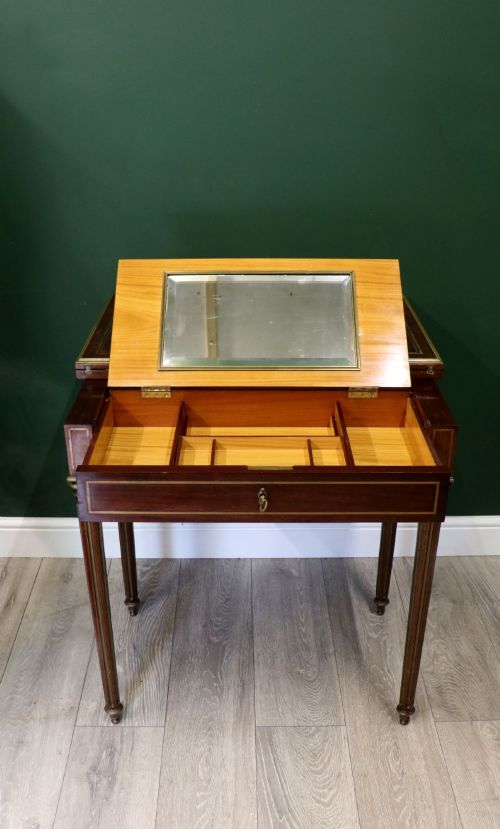
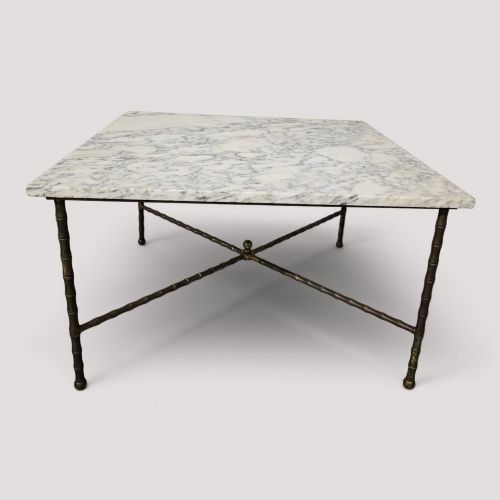
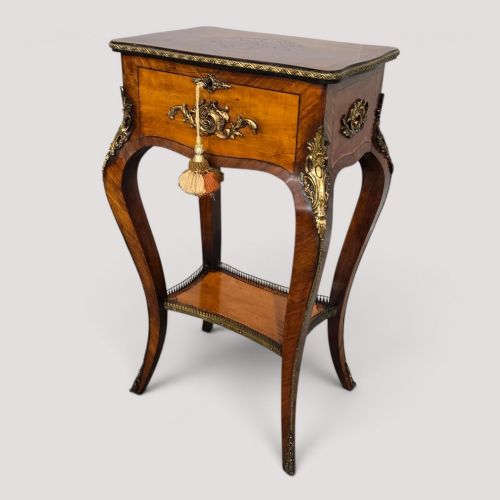
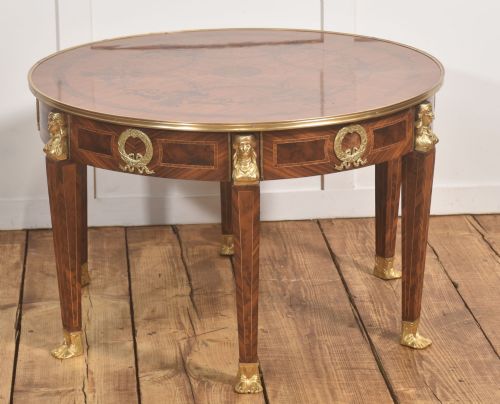
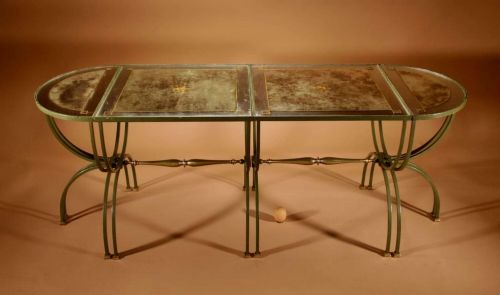
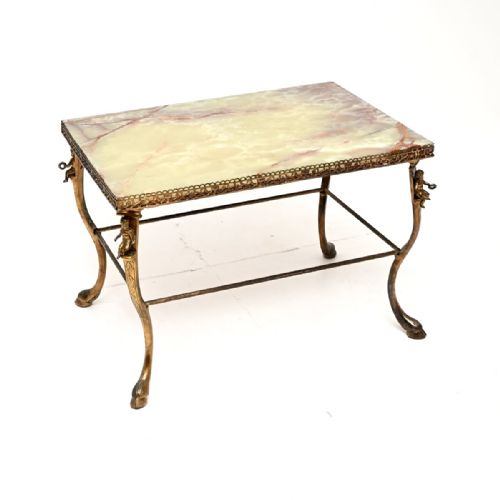
These vintage french brass table examples bring together cast metal, glass and marble to anchor a room.
Vintage French Brass Table
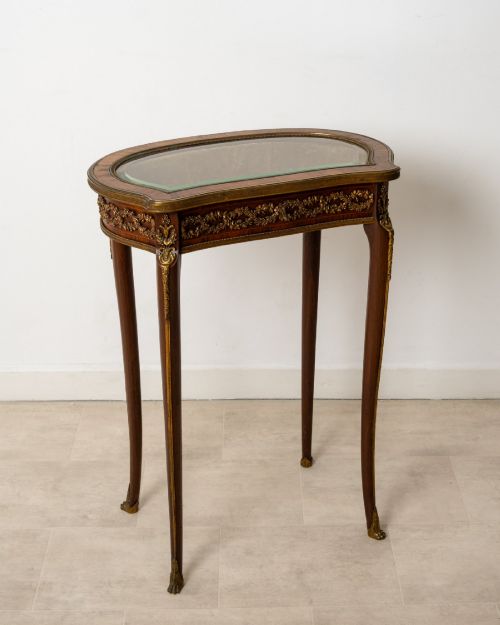
When you search for a vintage french brass table, you encounter a range of forms designed for domestic utility and display, from compact lamp tables to coffee tables and occasional pieces. The selection spans the nineteenth century through to the early twentieth century, incorporating revival styles such as Louis XV and French Empire.
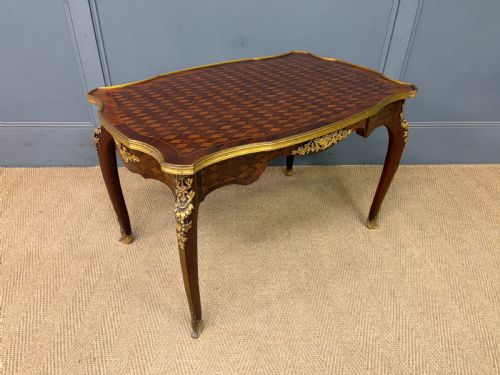
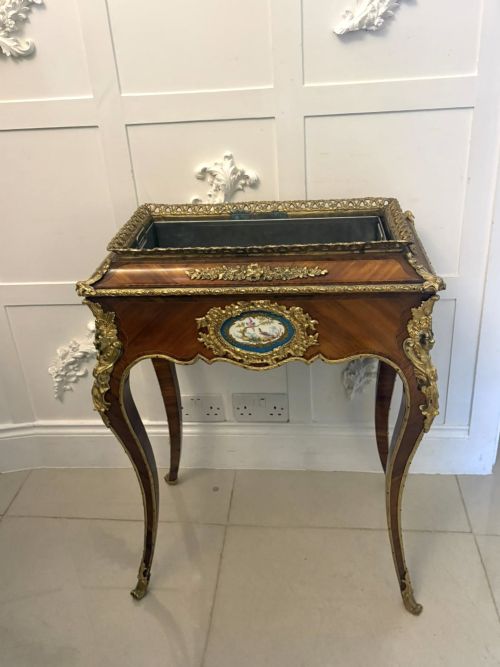
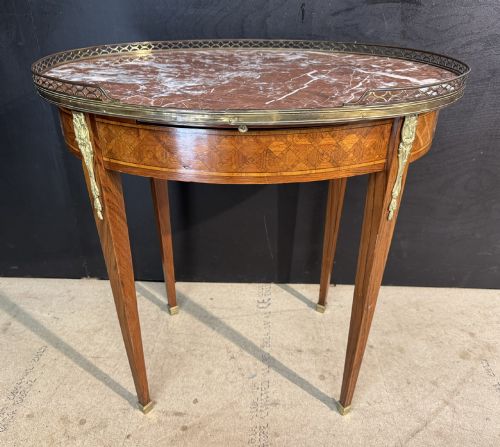
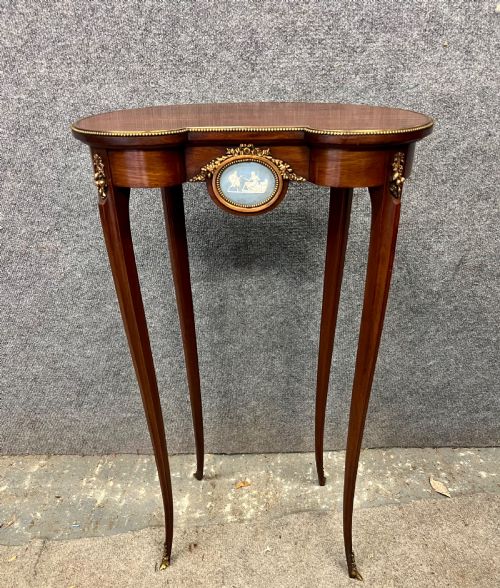
You are most likely to meet pieces that combine brass frameworks with inset surfaces of marble, onyx or glass, alongside timber elements like mahogany and kingwood. These items often integrate galleries, parquetry or gilt mounts that reflect historical French design motifs.
Materials and Construction
The construction relies on solid brass and gilt bronze or ormolu for the structural mounts, frames and galleries, often cast and chased by hand. These metal components are paired with dense stones like marble and onyx, or framed timbers including mahogany, walnut and rosewood.
Joining techniques combine traditional cabinetmaking methods for the wooden chassis with secure mechanical fasteners for the metal mounts and glass tops. Surface treatments range from polished brass to gilt finishes that highlight the cast ornamentation.
Listings feature brass combined with glass, marble, onyx, mahogany and walnut across nineteenth and early twentieth-century periods.
Assessing Quality
The standard of the casting dictates the sharpness of the foliage, scrolls and figural details on the brass and ormolu mounts. Finer examples display crisp undercutting and deliberate hand-chasing after the initial cast cools.
The integration of materials reveals the maker's hand, particularly in how seamlessly marble or onyx slabs rest within brass galleries and how tightly inlaid parquetry aligns with the surrounding timber frame.
The Vintage French Brass Table Glossary
- Ormolu
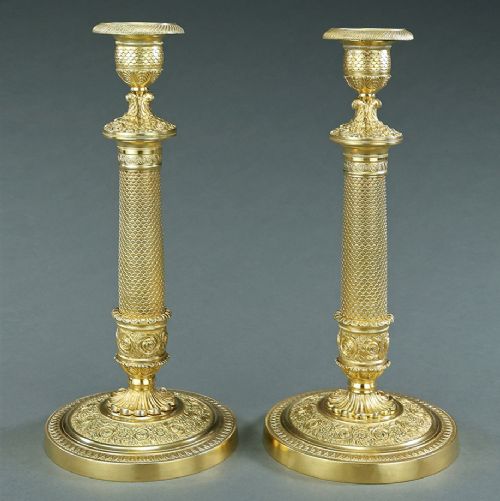
- A gilded bronze or brass used for decorative mounts and ornaments. It involves applying a finely ground high-carat gold amalgam to base metal.
- Gallery
- A raised miniature railing of pierced metal or wood around the edge of a tabletop. It prevents items from sliding off the surface.
- Parquetry
- Geometric patterns formed by small pieces of inlaid timber fitted into a tabletop. This technique requires exact woodworking precision.
- Champleve
- An enamelling technique where troughs are carved into metal and filled with vitreous enamel before firing. It frequently appears on decorative lamp bases and clocks.
- Bijouterie table
- A glass-topped display table intended for showing small valuables and curiosities. They often feature hinged lids and velvet-lined interiors.
Vintage French Brass Table: Frequently Asked Questions
How do I clean a brass and marble table?
Dust the brass gently with a soft dry cloth and avoid abrasive polishes that strip original patination. Clean marble surfaces using a damp cloth and mild soap, keeping harsh acids away from the stone.
Allow the metal to age naturally rather than striving for a bright yellow sheen. Proper care preserves the historical surface finish.
What is the difference between brass and ormolu?
Brass is an alloy of copper and zinc used widely for structural frames and fittings. Ormolu refers specifically to gilded bronze or brass where gold is applied to the metal surface.
Ormolu mounts generally display greater weight and finer hand-chased detail than standard brass elements. Both materials appear frequently across French decorative furniture.
Are these tables sturdy enough for daily use?
Most occasional and lamp tables provide adequate stability for holding lamps, books or small decorative objects. Heavier stone-topped coffee tables offer a solid weight that prevents shifting during normal domestic interaction.
Check the joints where the brass frame meets the top to ensure secure assembly. Avoid placing excessive weight on cantilevered corners or delicate display ledges.
How do I identify a revival style?
Revival pieces borrow decorative vocabulary from earlier periods like the reign of Louis XV or Louis XVI. Look for asymmetrical rococo curves or the straight, neoclassical lines characteristic of those eras.
These later interpretations utilise nineteenth and twentieth-century manufacturing methods while mimicking eighteenth-century aesthetics. The material composition and construction techniques usually clarify the actual age.