


Vintage Framed Sporting Print
A vintage framed sporting print captures the energy of the field, the track, and the stables in ink, paper, and wood.
Vintage Framed Sporting Print
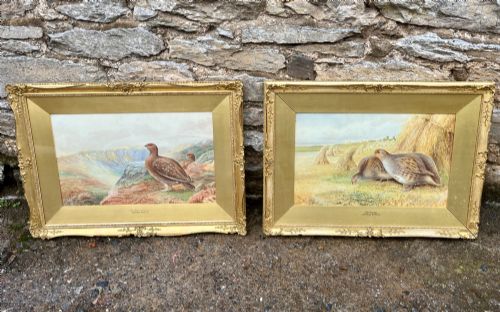
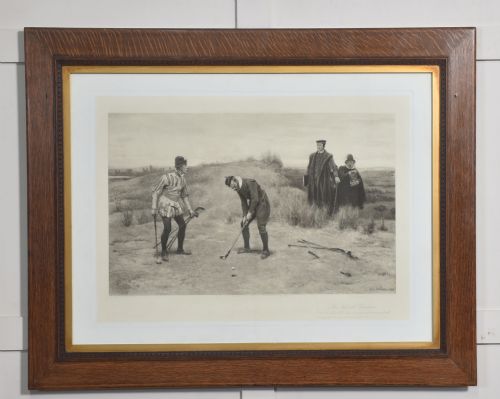
When you search for a vintage framed sporting print, you encounter works that record equestrian events, field sports, and canine subjects from the Georgian era through to the mid twentieth century. These objects function primarily as wall art, preserved behind glass within wooden, giltwood, or oak frames that match the period of the artwork.
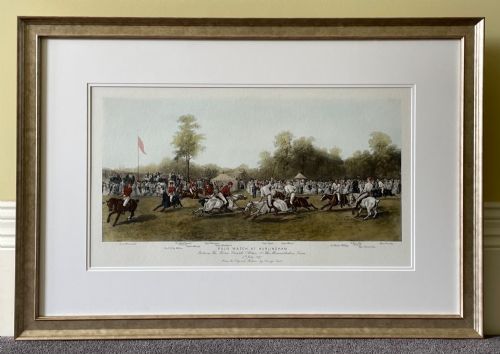
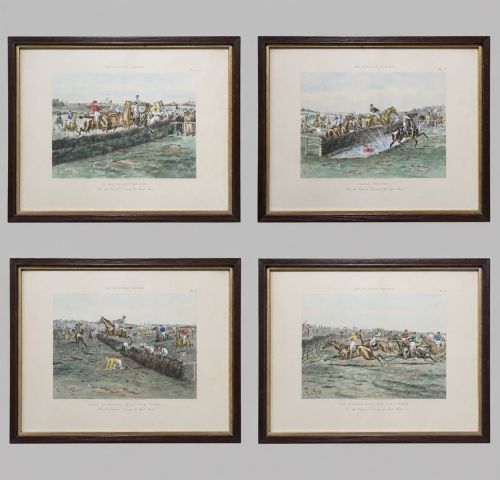
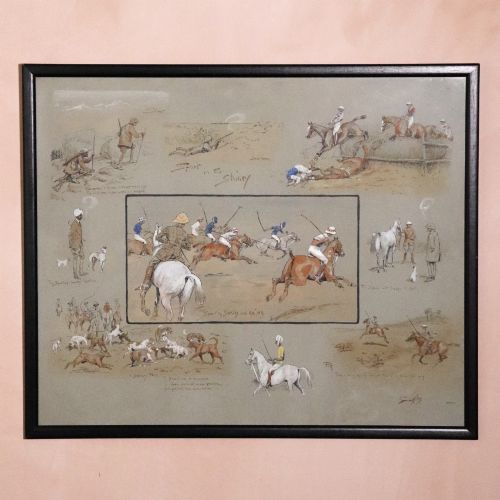
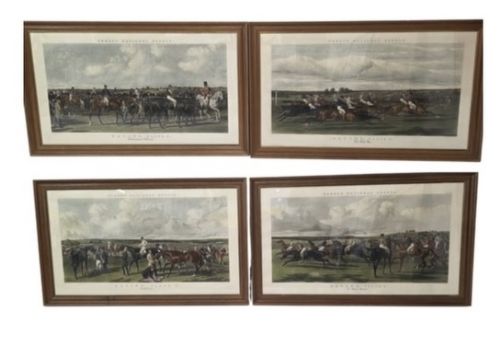
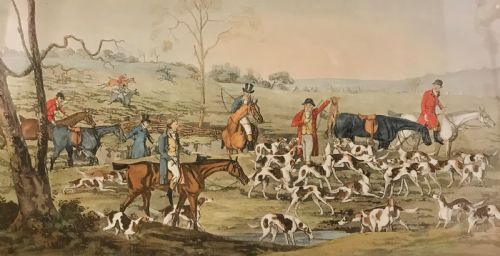
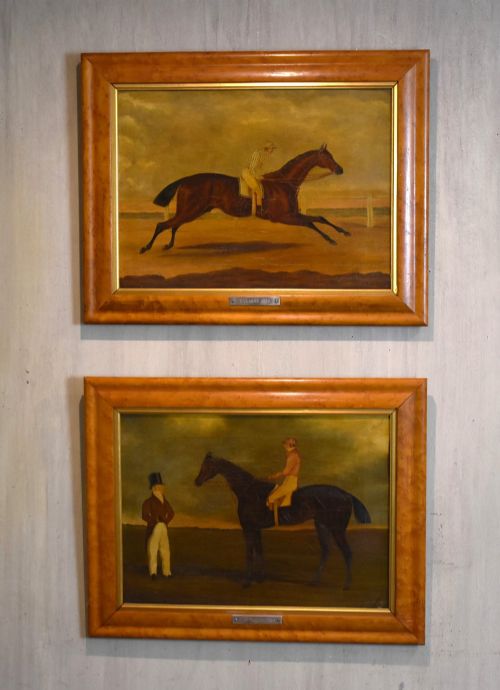
The selection on this page relies heavily on nineteenth century engravings, lithographs, and aquatints alongside original watercolours and oil paintings. Horse racing, hunting, polo, and shooting dominate the imagery, often appearing in sets that depict sequential moments of a race or field meet.
Originating predominantly from British artistic traditions, these framed works range from published prints after established painters to unique hand-coloured plates and signed etchings. Buyers find both individual decorative plates and large framed sets suited to studies, hallways, and traditional interiors.
How they were made
Makers utilised paper as the primary support for engravings, lithographs, etchings, and chromolithographs, applying ink through mechanical and manual printing processes. Many of these printed plates received supplementary hand-colouring in watercolour to enrich the visual detail of jockey silks, hounds, and landscapes.
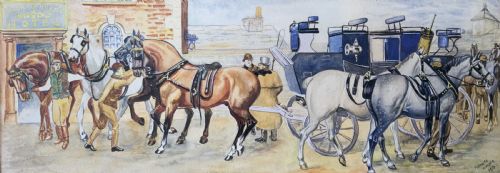
Original works on paper and canvas employ watercolour, ink, and oil paint applied by brush. Framing techniques involve traditional wood, gilt wood, and gold leaf mouldings, protecting the fragile paper surfaces behind glass.
Listings span periods from the Georgian era through Victorian times and into the mid twentieth century.
What varies in quality
The depth of the printing ink and the crispness of the plate impression distinguish standard commercial print runs from finer early impressions. Hand-finished details, such as delicate watercolour washes applied to engravings, elevate the artistic merit of individual plates.
The integrity of the framing materials, including period giltwood mouldings and original glass, contributes significantly to the overall cohesion and preservation of the piece.
George Finch Mason·C. H. Weigall·George Rankin·J. C. Dollman·Snaffles·John Frederick Herring Snr·John Rattenbury Skeaping·Anne Goldthwaite·Herbert Dicksee·Abraham Cooper·Alken·Alfred Wheeler·James Dobie·W. Dendy Sadler·John Atkinson·Isaac Cullin
The Vintage Framed Sporting Print Glossary
- Aquatint
- A printmaking technique that produces tonal areas resembling watercolour washes by acid-etching a copper plate through a porous ground. This method allowed publishers to replicate the soft gradations of painted sporting scenes.
- Chromolithography
- A colour lithographic printing process using multiple stones or plates, one for each colour. It enabled the mass production of vibrant, multi-coloured sporting prints and magazine supplements during the nineteenth century.
- Engraving
- A technique where an artist cuts lines directly into a metal plate with a burin to hold ink. The resulting prints offer extreme precision and durability through numerous impressions.
- Lithography
- A planographic printing process based on the mutual repulsion of oil and water, utilising a flat stone or metal plate. It became the dominant method for producing detailed illustrative plates and posters.
- Eglomise
- A process of applying a design and gilding to the reverse side of glass. This technique provides a reflective, decorative border or background for certain framed prints.
Vintage Framed Sporting Print: Frequently Asked Questions
What subjects do these prints show?
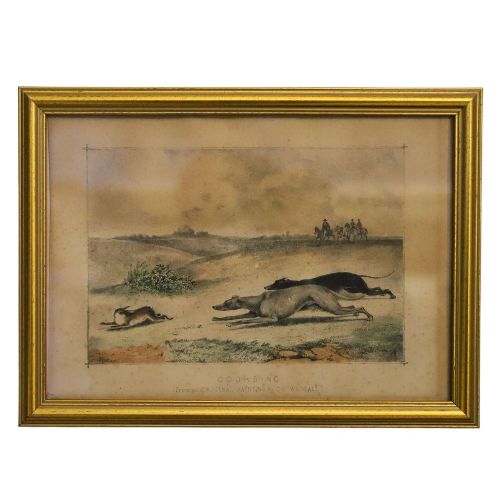
These works depict horse racing, fox hunting, coursing, polo, shooting, and canine portraits. The imagery reflects nineteenth and twentieth century British field sports and equestrian pursuits.
Artists recorded specific named racehorses, celebrated matches, and working animals alongside broader scenes of the hunt and rural recreation.
Are these works original prints or copies?
The inventory includes original antique print publications from the nineteenth and early twentieth centuries, such as period lithographs, engravings, and etchings. Many carry signatures, publisher publication dates, or contemporary hand-colouring.
Unique watercolours and oil paintings by listed artists also appear alongside the published print runs.
How should I hang sporting art at home?
Sporting prints and paintings suit traditional spaces, libraries, hallways, and studies where wood furniture and classic decor predominate. Grouping sets of four, such as racing or hunting scenes, creates a balanced display along a wall.
Keep framed paper pieces away from direct sunlight to protect the ink and watercolour pigments from fading over time.
How do I identify the period of a print?
Periods are identified through publication dates printed on the margin, the style of the framing materials, and the printing technique used. Nineteenth century pieces often feature hand-coloured engravings or early chromolithography.
Twentieth century works frequently introduce etching techniques, artist signatures in pencil, and mid-century framing styles.