



Vintage Fox Art
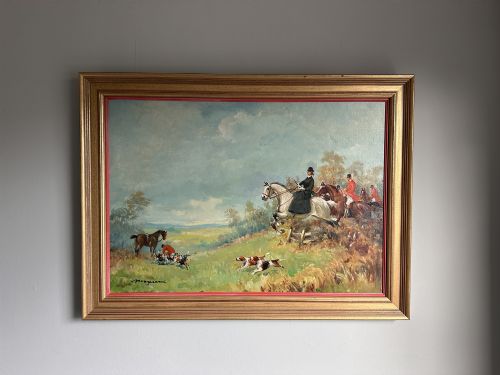
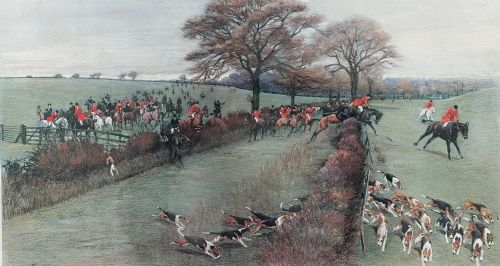
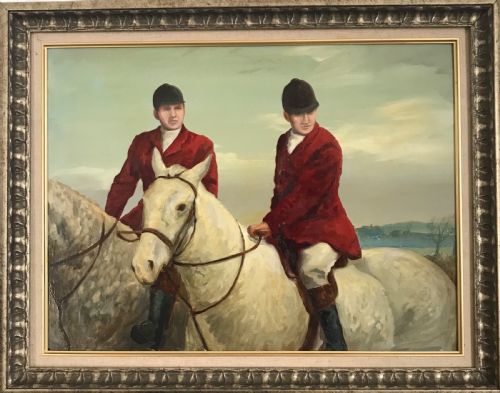
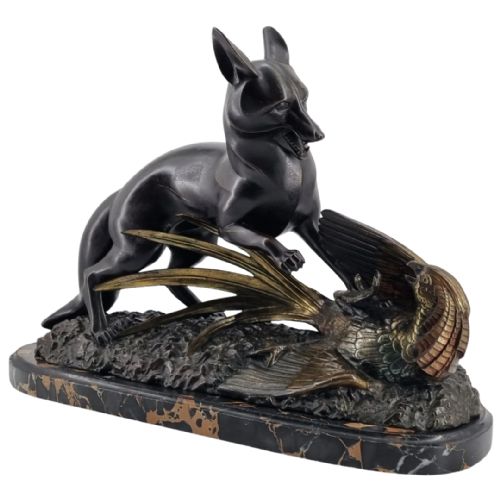
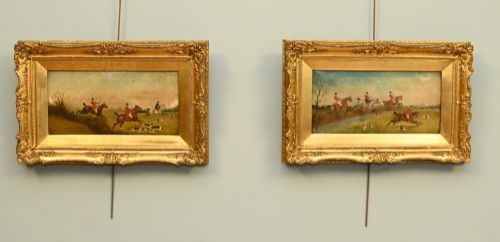
These examples of vintage fox art capture the motion and heritage of traditional field sports through oil, watercolour, and print.
Vintage Fox Art
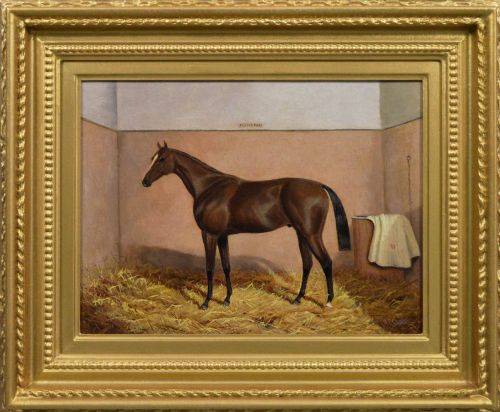
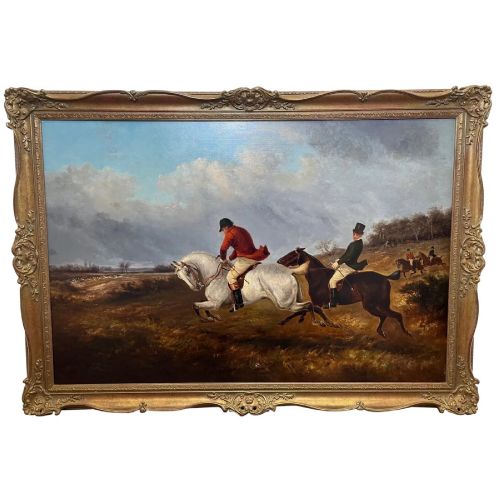
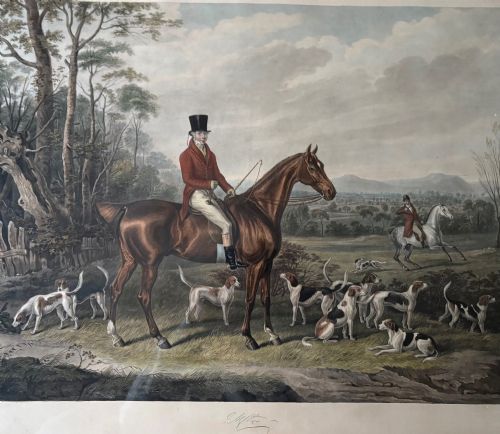
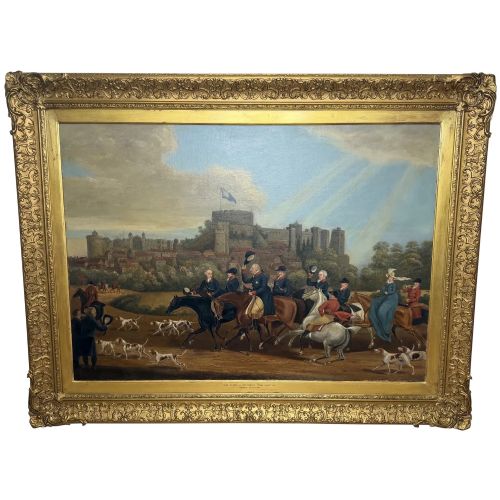
When you search for vintage fox art, you encounter a specialised selection of British sporting scenes, equestrian portraits, and hunt gatherings spanning the nineteenth and twentieth centuries. The versions met most frequently on this page take the form of original oil paintings, hand-coloured engravings, and delicate watercolours framed for display.
Makers and artists captured these subjects within distinct genres such as British Sporting Art and Art Deco, ranging from detailed Victorian canvases to mid-century prints. The assortment reflects rural traditions, depicting hounds in full cry, mounted huntsmen, and individual animal studies across various periods.
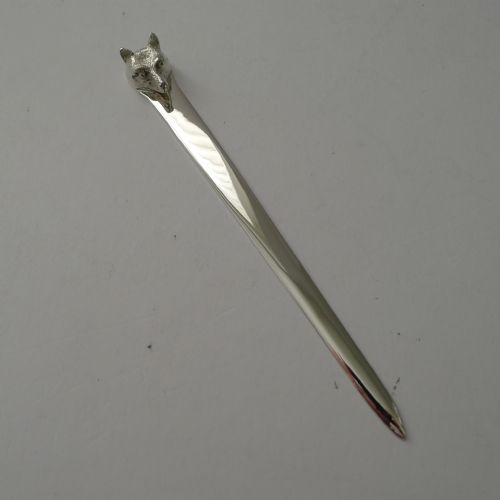
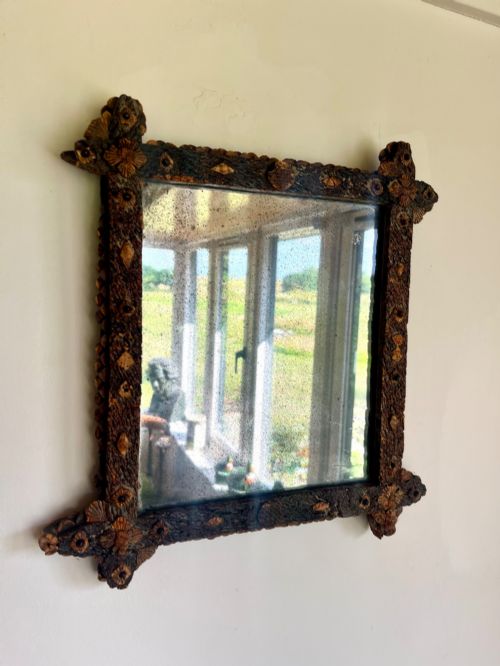
The objects extend beyond flat pictures to include framed prints, wall mirrors, novelty silver letter openers, bronze sculptures, and leaded glass windows. Each piece places the animal and the hunt firmly at the centre of domestic decoration from past eras.
How they were made
Makers utilised traditional mediums such as oil on canvas, oil on wood, watercolour, and ink, applying pigments with precision to capture light and movement on horses and hounds. Engravings and prints relied on etched plates and hand-colouring techniques to produce multiple crisp impressions for domestic walls.
Framing materials combined gilt wood, paper, and glass to protect and present these works, while sculptors worked in bronze and metal for three-dimensional representations. Silversmiths shaped solid silver into novelty items, and artisans assembled leaded glass panels for architectural placement.
Vintage Fox Art Retail Price Guide 2026
Typical asking prices for vintage fox art among the pieces listed under this phrase on Sellingantiques today, from the lower quarter to the upper quarter. They describe what is for sale here now, not the wider market.
A leaded glass window pairs a parrot with a fox in a single domestic door.
What varies in quality
The standard of execution in these works depends upon the artist's ability to render anatomy and dynamic movement correctly, distinguishing masterly brushwork from generic production. Compositional balance and the preservation of the original medium, whether paint, paper, or bronze, determine the overall integrity of the piece.
Provenance and attribution to documented sporting artists elevate specific items, while the clarity of the plate in printed works affects visual depth. Materials such as solid silver, original gilt wood frames, and untouched oil on canvas command greater appreciation than later reproductions.
Cecil Charles Windsor Aldin·Thomas Smythe·Albert Clark·Henry Charles Fox·Basil Nightingale·Philip Henry Rideout·Michael Lyne·John Sanderson-Wells·Charles Clifford Turner·Charles Johnson Payne Snaffles·Guillaume Urban Régamey·William J Hodgson·H Alken·Charles Hunt·Francis Calcroft Turner·Geoffrey Mortimer·J F Herring·Lavroff
The Vintage Fox Art Glossary
- Sporting art
- A genre of painting and illustration dedicated to equestrian subjects, hunting, shooting, and rural pastimes. It gained immense popularity during the Victorian and Edwardian periods.
- Watercolour
- A painting method in which the paints are made of pigments suspended in a water-based solution. Artists used this medium on paper for rapid studies and finished hunt scenes.
- Engraving
- A printmaking process where an image is cut into a metal plate with a burin. The inked plate transfers the design onto paper under pressure.
- Bronze
- An alloy consisting primarily of copper, traditionally cast using the lost-wax method for sculptures and decorative objects. It patinates richly over time.
- Aquatint
- A intaglio printmaking technique that produces tonal effects by using acid to etch the copper plate. It mimics the appearance of watercolour washes.
Vintage Fox Art: Frequently Asked Questions
What periods do these pieces date from?
The items span from the mid-nineteenth century through the Victorian and Edwardian eras into the mid-twentieth century. Most examples originate from the decades around nineteen hundred.
Earlier works reflect Georgian and nineteenth-century sporting traditions, while later pieces extend into the nineteen-fifties and sixties with modernist print techniques.
How should I display vintage sporting art?
These framed watercolours and oil paintings suit traditional studies, hallways, or living rooms alongside period furniture. Ensure they hang away from direct sunlight to protect pigments and paper from fading.
Smaller items like silver letter openers or bronze sculptures look best placed on desks or mantelpieces where their tactile details remain visible.
Who are the notable artists in this field?
The selection includes recognised sporting painters and illustrators such as Cecil Aldin, Henry Charles Fox, and Charles Johnson Payne known as Snaffles. Works by these individuals carry distinct signatures and stylistic hallmarks.
Other pieces feature prints after established painters like Francis Calcroft Turner and J F Herring, offering accessible entry points into collecting.
Are all the items original works?
The inventory contains a mixture of unique hand-painted oils and watercolours alongside period prints, engravings, and decorative objects. Each listing specifies the exact medium used by the maker.
Original prints and watercolours are period productions from the dates recorded rather than modern reproductions.