


Vintage Four Poster Bed
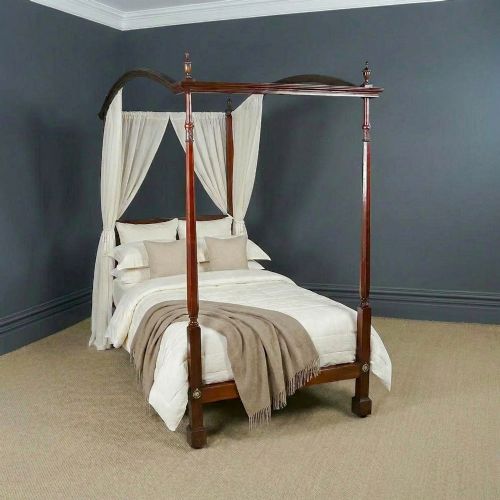
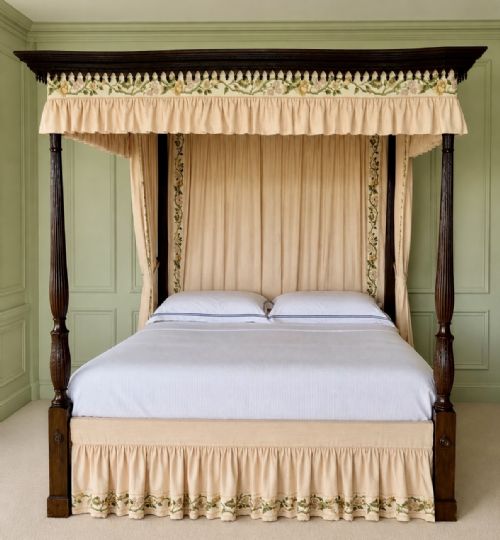
A vintage four poster bed brings architectural presence to a bedroom, offering towering corner posts and overhead testers that frame the space.
Vintage Four Poster Bed
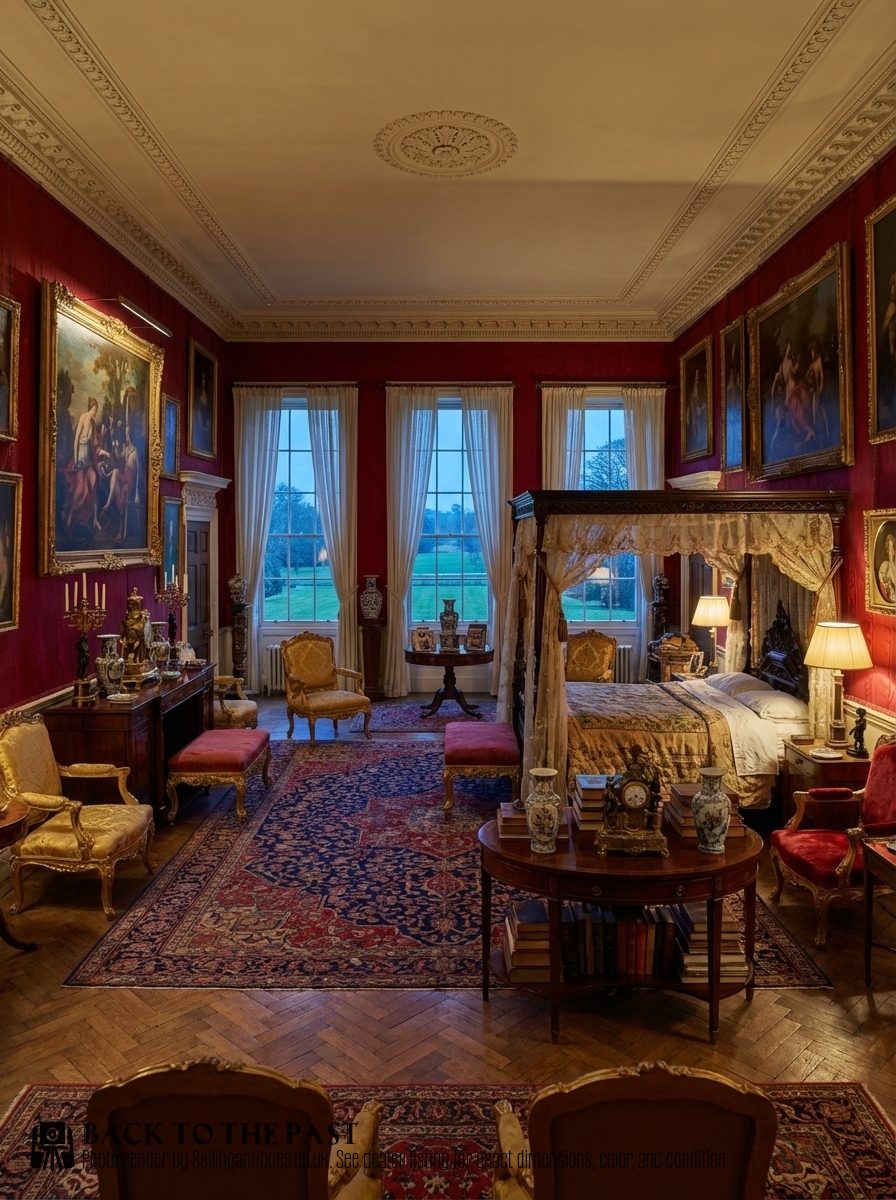
A vintage four poster bed stands as a commanding sleeping chamber within a room, defined by four upright posts supporting an overhead canopy or tester frame. When searching for a vintage four poster bed, buyers encounter examples stretching from the nineteenth century through the Edwardian period and into the early twentieth century.
The selections span grand proportions in king and super king sizes alongside more modest single beds, half testers, and even miniature doll furniture or pet beds. Woods such as mahogany, oak, and pine appear alongside robust frames built entirely from brass, iron, or solid brass components.
Stylistic influences range from austere Victorian Gothic and colonial interpretations to refined Georgian Revival and Regency designs. Certain pieces reflect specific regional origins, including English workshops and Portuguese craftsmanship, while others present painted surfaces or rich carved details.
Materials and Construction Methods
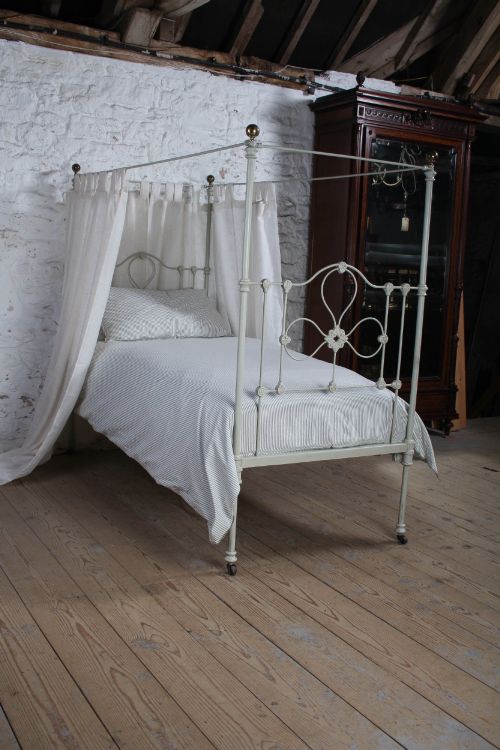
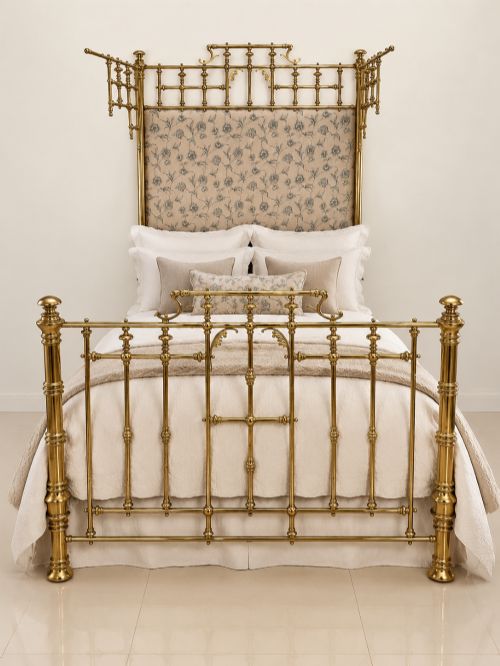
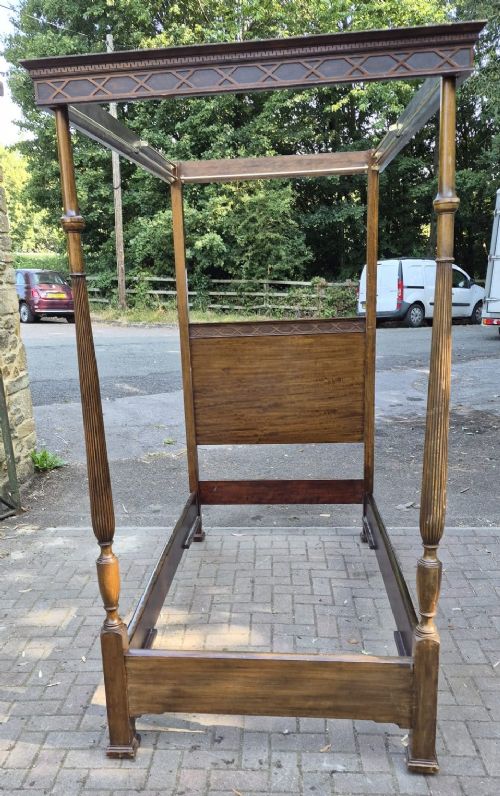
Makers utilised dense hardwoods like mahogany and oak for structural integrity, shaping posts with turning, fluting, or deep relief carving. Metal frames combined iron and brass, often incorporating cast brass fittings and decorative mounts to secure the towering posts and tester rails.
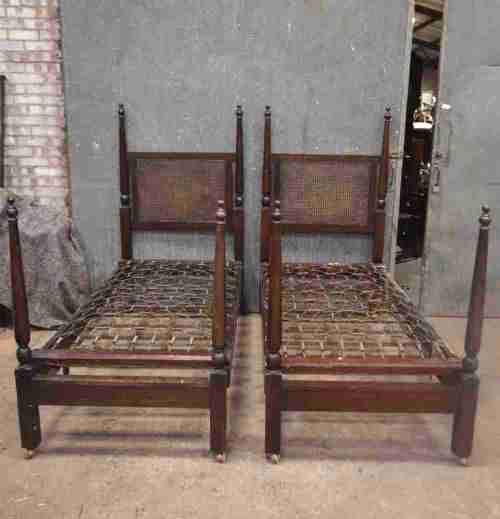
Joinery techniques relied on sturdy pegged or bolted joints capable of supporting heavy canopies and fabric drapery. Secondary woods such as pine appear in concealed framing elements, whilst specialised workshops integrated woven cane panels or upholstered headboards into the architectural framework.
Available forms range from full-scale super king testers down to miniature doll beds and dog furniture.
Factors Defining Quality
Quality rests upon the architectural proportion of the posts relative to the tester frame, where finer examples display balanced tapering and crisp, well-defined carving rather than heavy, unbalanced bulk. The choice of primary timber dictates much of the distinction, with carefully figured mahogany or solid brass structures holding greater visual and material weight than utility softwood frames.
Execution of detail separates standard production from exhibition pieces, visible in the sharpness of turned finials, the solidity of metal castings, and the integrity of the joints connecting the posts to the headboard and footboard. Original proportions preserved through lower heights or smaller single formats also influence how cleanly the piece integrates into domestic spaces.
Heals of London·R W Winfield
The Vintage Four Poster Bed Glossary
- Tester
- The flat wooden canopy or ceiling frame suspended above a four poster bed. It frequently supports decorative fabric draperies or cornice mouldings.
- Half Tester
- A wall-mounted or post-supported canopy that covers only the head portion of the bed rather than the entire length. This form was popular in Victorian bedchambers to economise space.
- Bergere
- A closed-frame upholstered armchair or bed component featuring woven cane sides. In these listings, it describes integrated cane work on headboards or footboards.
- Spindle
- A slender, turned piece of wood or metal used as a decorative baluster within headboards or footboards. These elements provide vertical rhythm to the design.
Vintage Four Poster Bed: Frequently Asked Questions
How do I choose the right size?
Consider the ceiling height and room dimensions before selecting a frame, as four poster structures demand generous vertical clearance.
Single and double variations suit smaller chambers, whereas king and super king formats require substantial floor space to display their proportions.
Can I attach curtains to the tester?
Many frames feature original rails, pelmets, or screw-eyes designed specifically for hanging fabric draperies and testers.
Reviewing the upper framework reveals whether the piece was built to carry heavy textiles or intended to remain open-framed.
How do I date a four poster bed?
Dating relies on observing the primary wood species, construction marks, and stylistic vocabulary such as Regency curves or Victorian Gothic revival motifs.
Comparing turned post profiles and metal casting techniques against known period examples helps narrow the decade of manufacture.