



Vintage Footed Dish
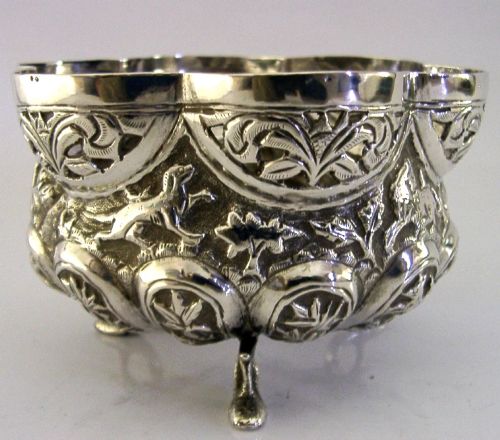
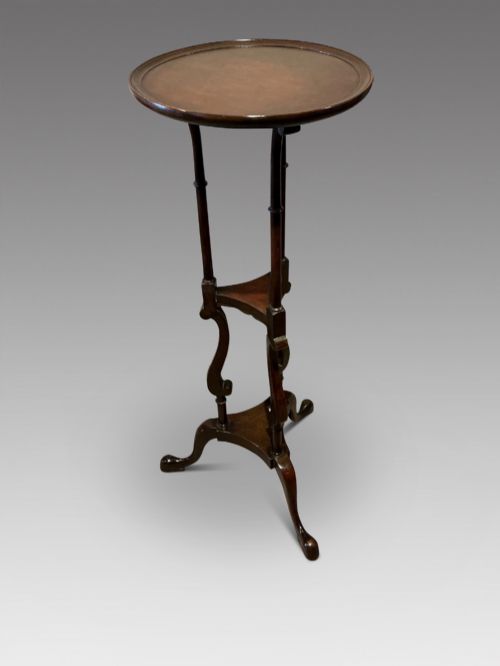
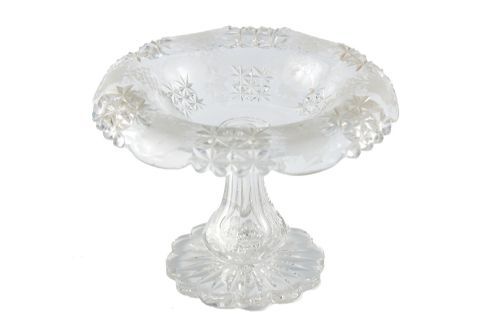
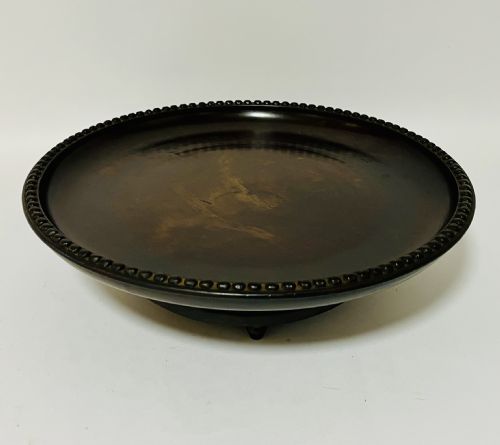
These vintage footed dish selections range from sterling silver to cut glass, lifted on feet to hold fruit, bonbons or centrepieces.
Vintage Footed Dish
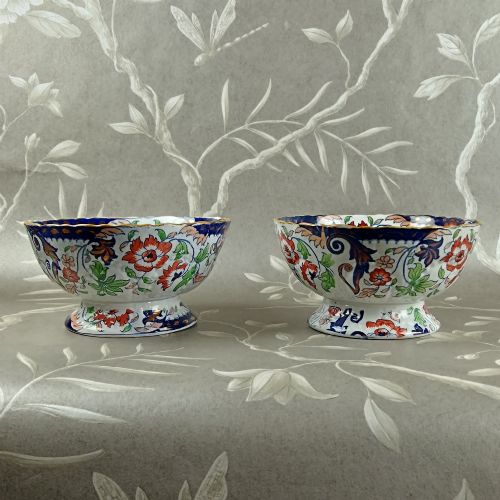
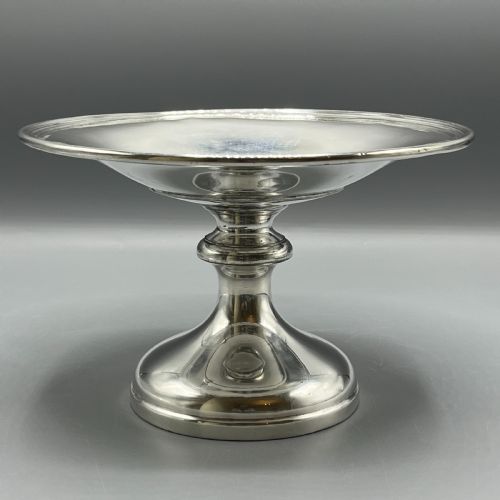
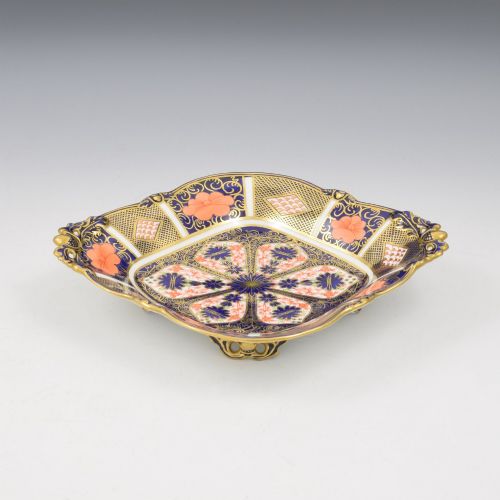
A vintage footed dish elevates contents above the surface, appearing as everything from silver bonbon vessels to porcelain comports and cut glass fruit bowls. The selections span periods from the eighteenth century through the Edwardian era and Art Deco years, reflecting shifts in dining and display habits.
Forms include centrepieces, salt cellars, sugar bowls and heavy compotes raised on ball feet, pedestals or applied mounts. The pieces originate from English potteries, continental glassworks and silversmiths across diverse global traditions.
How They Were Made
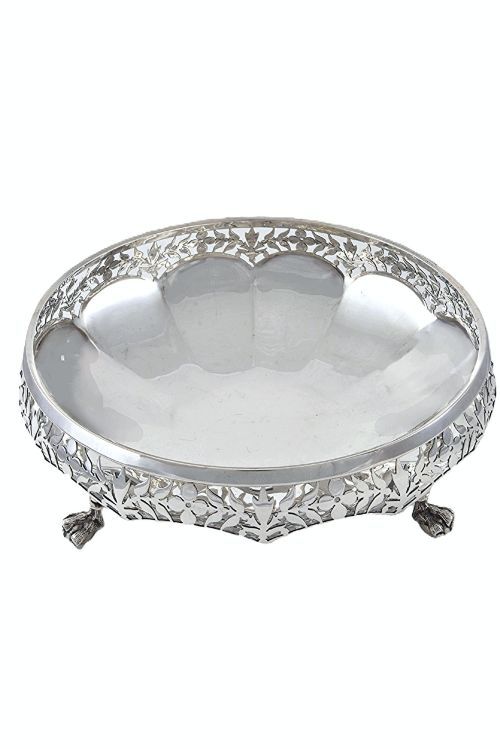
Makers utilised sterling silver, solid silver and silver plate alongside cut crystal, moulded glass and glazed porcelain. Metal items display techniques such as wirework, hand hammering and pierced lattice cutting.
Ceramic examples employ ironstone bodies, lustre glazes, enamel painting and applied figures, while glass pieces rely on heavy cutting, iridescence or moulded floral motifs.
Vintage Footed Dish Retail Price Guide 2026
Typical asking prices for vintage footed dish among the pieces listed under this phrase on Sellingantiques today, from the lower quarter to the upper quarter. They describe what is for sale here now, not the wider market.
Listings feature materials spanning sterling silver, cut glass, porcelain, bronze and pewter across the Victorian, Edwardian and Art Deco eras.
What Varies in Quality
The distinction rests on the weight of the metal gauge, the clarity and depth of glass cutting, and the crispness of ceramic moulding and hand-painted enamel details. Heavier solid silver and substantial crystal exhibit superior substance.
Artistry in design, such as intricate pierced silver lattice or complex lustre glazes by notable potteries, separates standard domestic vessels from exceptional decorative works.
Royal Crown Derby·St Louis glassworks·Schierholz Plaue·Wedgwood·Loetz
The Vintage Footed Dish Glossary
- Comport
- A shallow dish or bowl raised on a stem or high foot, typically utilised for serving fruit or sweetmeats at table.
- Bonbon dish
- A small vessel designed specifically for holding sweets, bonbons or small confections.
- Salt cellar
- A small container used to hold salt at the dining table, often raised on tiny feet or supports in pairs or sets.
- Lustre
- A ceramic glaze containing metallic oxides that produce an iridescent, shimmering surface effect.
- Pierced work
- Metal or ceramic ornamentation featuring patterns cut right through the material for decorative lightness.
Vintage Footed Dish: Frequently Asked Questions
What were vintage footed dishes used for?
These elevated vessels served multiple dining and decorative purposes, holding fruit, sweets, salt or centrepiece arrangements.
They stood on dining tables, sideboards and display surfaces to present food or ornament rooms.
How do I date a footed dish?
Dating relies on stylistic clues like Art Nouveau curves or Art Deco geometry, alongside material types and manufacturing marks.
Silver pieces often carry hallmarks indicating the exact year and assay office of production.
Are these dishes safe for food?
Many materials like porcelain and glazed ceramics remain suitable for serving dry foods or fruit, depending on their condition.
Older silver and lead crystal items require consideration regarding their specific composition and historical wear.
How should I clean silver footed dishes?
Careful dusting and minimal washing with mild soap preserve the metal and any underlying plating.
Harsh abrasive dips can strip patinas or damage delicate details on antique surfaces.