




Vintage Footed Compote
These vintage footed compote pieces raise fruit and sweets on a sturdy pedestal, bringing height and proportion to any table setting.
Vintage Footed Compote
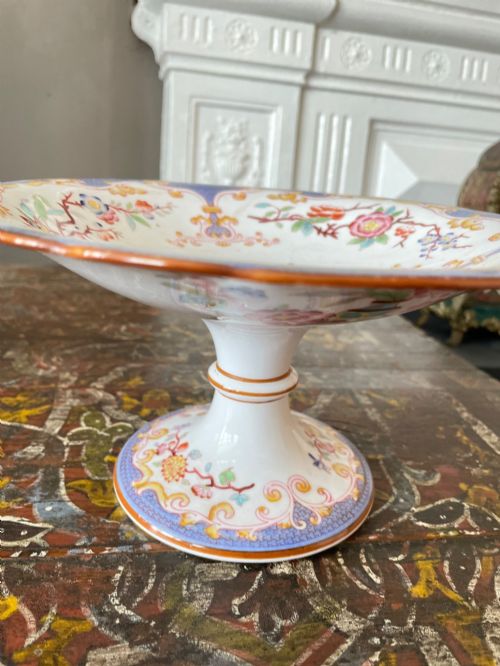
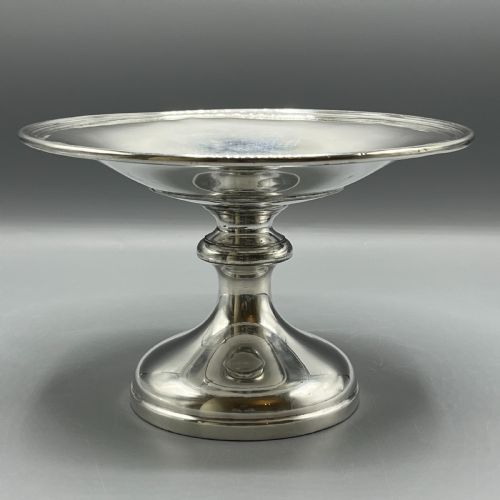
A vintage footed compote stands on a raised pedestal base, functioning primarily as a display dish for fruit or centrepiece for the dining table. The listings demonstrate forms ranging from traditional pedestal bowls to elaborate tazzas and fruit comports.
The materials span clear glass, cut crystal, ironstone, porcelain, marble and silver, originating across periods from the Georgian era through the nineteenth century and into the mid-twentieth century. Styles include Victorian, Edwardian, Rococo Revival and Neoclassical designs.
Buyers seeking a vintage footed compote will encounter diverse regional makes, including English ironstone, Bohemian glass, Swiss wooden vessels and continental porcelain centrepieces adorned with applied figures and roses.
How they were made
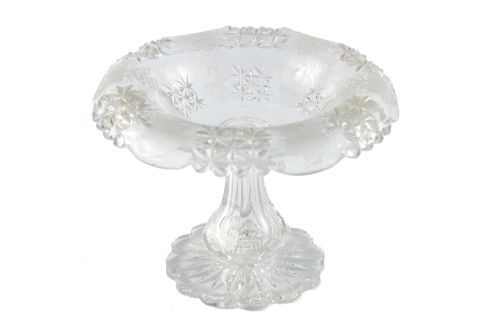
Glass pieces rely on hand blowing and deep cutting techniques to create hobnail patterns, etched motifs and heavy lead crystal structures that catch the light. Ironstone and porcelain examples involve moulding, hand painting and the application of gold leaf or transferware designs such as Imari patterns.
Metal items incorporate silver plating and fine smithing techniques to form pedestals and handles, while wooden and marble variations demonstrate precision turning and carving. Applied elements like porcelain putti and roses require careful hand modelling before firing.
Vintage Footed Compote Retail Price Guide 2026
Typical asking prices for vintage footed compote among the pieces listed under this phrase on Sellingantiques today, from the lower quarter to the upper quarter. They describe what is for sale here now, not the wider market.
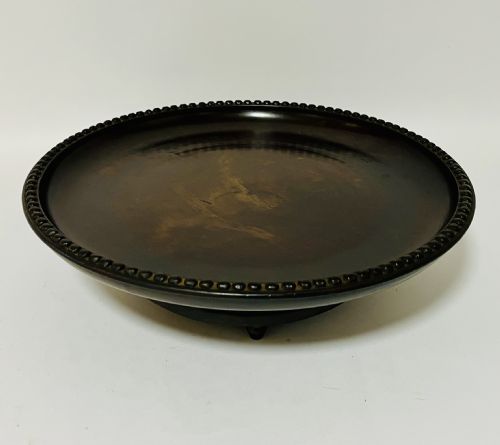
A Swiss wooden fruit bowl brings alpine folk art directly to the mahogany dining table.
What varies in quality
The distinction between ordinary and exceptional pieces rests on the crispness of the cutting in glass, the depth of the mould and hand painting in ceramics, and the integrity of applied decorative elements. Weight, resonance in crystal, and the retention of original gilding also mark superior examples.
Proportion and balance define the better specimens, where the height of the pedestal complements the width of the bowl. Fine craftsmanship shows in the smooth integration of the stem to the foot and the absence of distortion in hand-blown glass.
Schierholz Plaue·Mason·Royal Worcester·Waterford
The Vintage Footed Compote Glossary
- Compote
- A raised bowl on a stem or pedestal used for serving fruit, compote or sweetmeats. It sits higher than a standard table dish to create tiered displays.
- Tazza
- A shallow saucer-like dish mounted on a stem and foot, frequently used interchangeably with a comport. The form originates from Renaissance metalwork.
- Hobnail
- A decorative glass-cutting pattern consisting of raised, rounded pyramidal knobs that resemble the hobnails used in boot soles. It creates a textured, light-refracting surface.
- Pedestal bowl
- A vessel elevated on a distinct base or foot. This form draws the eye upward and improves visibility across a dining table.
Vintage Footed Compote: Frequently Asked Questions
What was a footed compote used for originally?
These elevated vessels served fruit, nuts, and sweet preserves at the conclusion of formal meals. Their height brought variety to table layouts and allowed dishes to be seen easily over other tableware.
Over time, owners also utilised them simply as decorative centrepieces, filling them with glass fruit, dried petals, or seasonal floral arrangements.
How do I clean an antique glass compote?
Wash glass and crystal pieces by hand in warm, soapy water using a soft cloth. Avoid sudden temperature changes to prevent thermal shock and cracking in older material.
Dry them immediately with a lint-free cloth to maintain clarity and prevent water spots from forming on the cut surfaces.
Can I use an ironstone compote for food today?
Ironstone is robust and generally suitable for serving dry foods and whole fruit. Hand washing is strongly recommended to protect the older ceramic body and any delicate surface gilding.
Avoid dishwashers and harsh detergents, which can dull the glaze and wear away hand-painted ironstone details over time.
How can I tell a Victorian compote from a later piece?
Victorian examples often display heavier lead crystal, deeper hand cutting, or specific ceramic body markers associated with nineteenth-century potteries. Examining the pontil mark on the base of blown glass can also indicate older production methods.
Later twentieth-century pieces tend to feature cleaner, more uniform machine finishes and lighter overall weights compared to their nineteenth-century predecessors.