

Vintage Footed Bowl
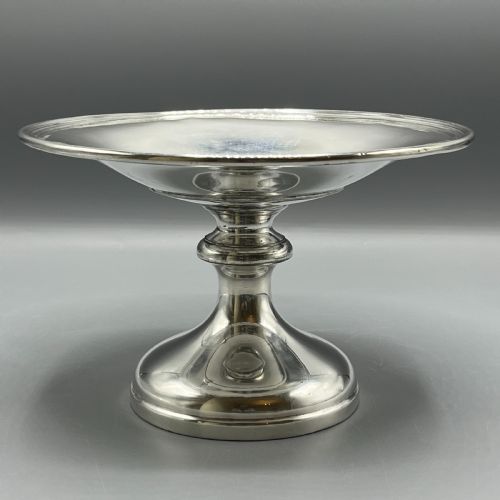
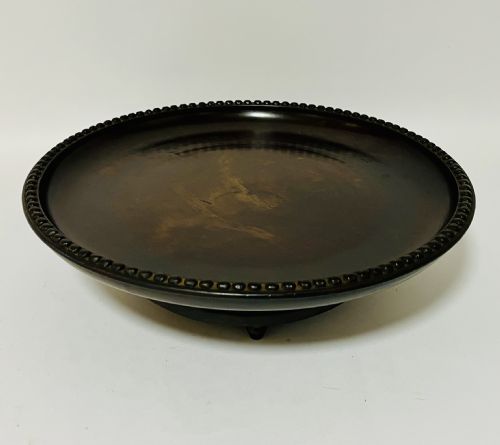
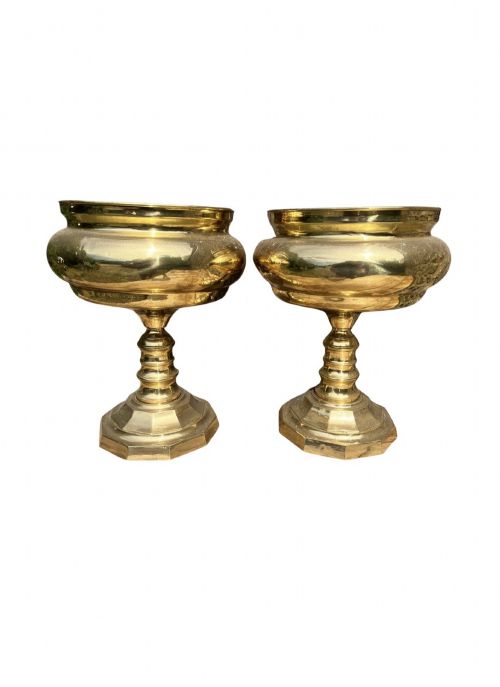
A vintage footed bowl anchors a table with presence, lifting fruit, flowers or silver above the surface on a pedestal or raised base.
Vintage Footed Bowl
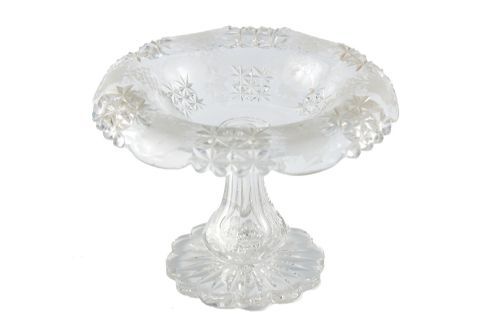
When you search for a vintage footed bowl, you encounter raised vessels designed to hold fruit, flowers, or decorative water, ranging from grand table centrepieces to smaller bonbon dishes and comports.
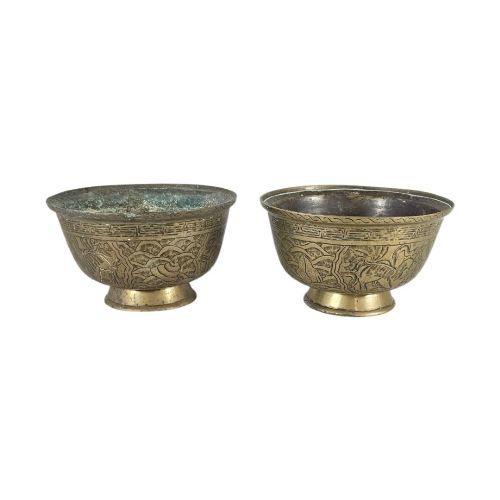
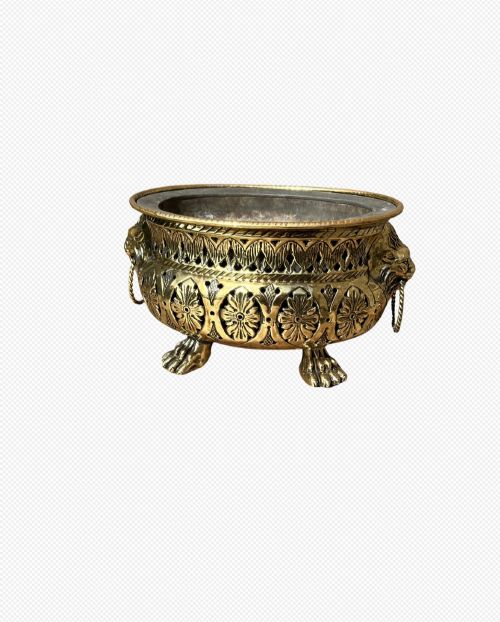
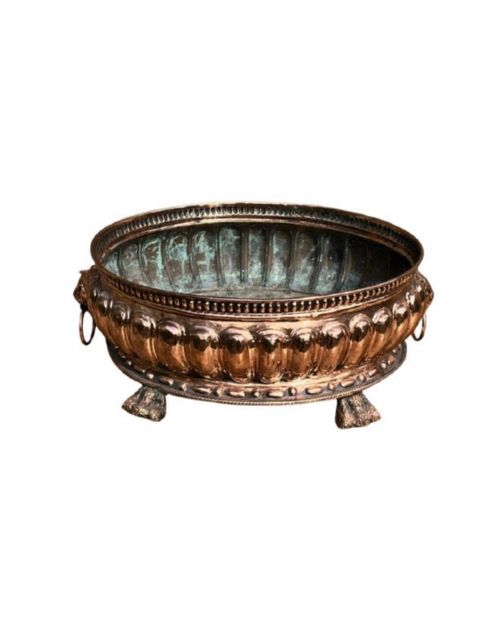
Forms vary from heavy lead crystal and porcelain fruit bowls to pierced brass jardinieres and bronze vessels, each supported on a distinct base or stem.
How they were made
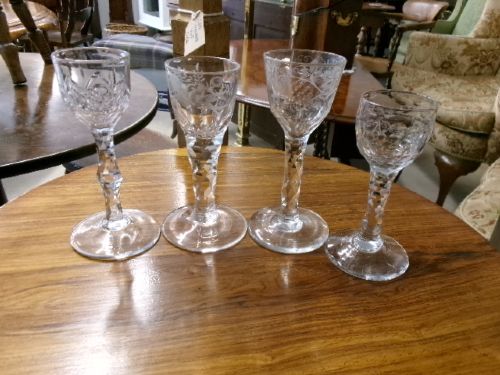
Glass vessels rely on hand-blowing and deep cutting, where artisans carve intricate patterns into clear or coloured lead crystal to catch the light.
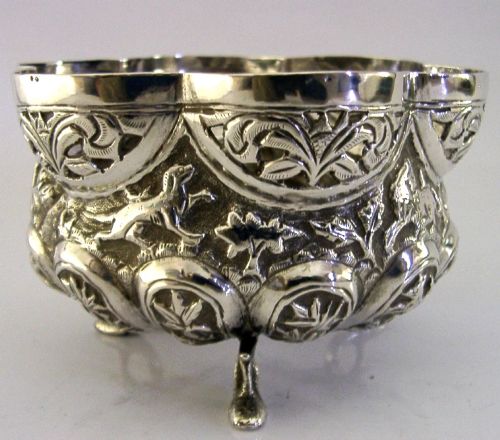
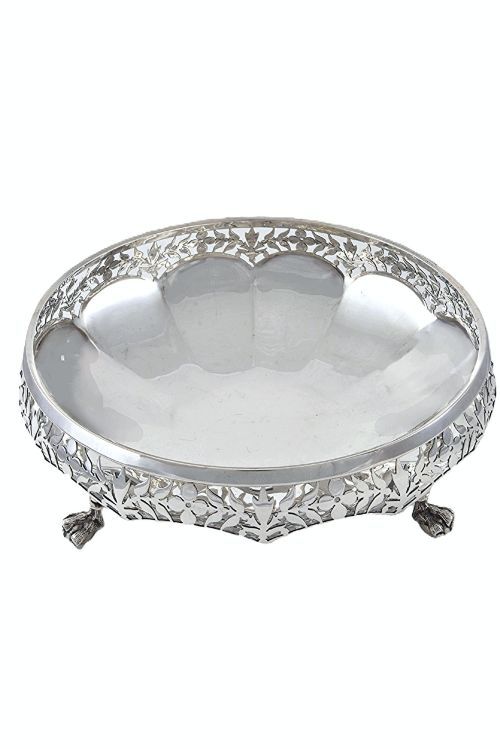
Metal pieces utilise casting, piercing, and hammering techniques, shaping sterling silver, brass, copper, and bronze into pedestals, openwork lattice rims, and decorative animal motifs.
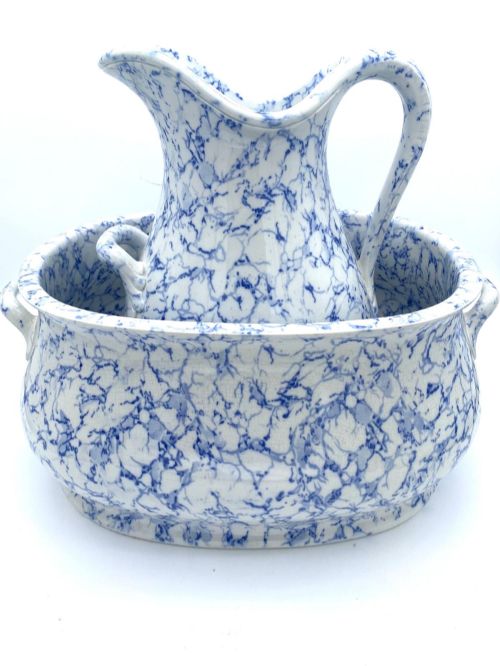
Ceramics involve moulding or throwing porcelain and ironstone, finished with blue and white glazes, lustre finishes, or applied porcelain roses and figures.
Several porcelain bowls elevate their contents by placing entire families of hand-modelled ceramic putti and applied roses directly beneath the rim.
What varies in quality
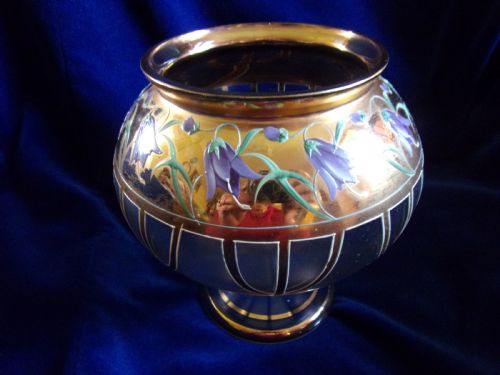
Quality rests on the crispness of execution, whether in the sharp facets of a cut crystal bowl, the hand-chiselled detail of solid silver wirework, or the precision of applied enamel on glass.
Weight and balance dictate the integrity of the piece, distinguishing heavy-gauge silver and thick hand-blown crystal from lighter, simpler press-moulded alternatives.
The ambition of the design separates standard tableware from masterworks, evident in sculptural handles, hand-painted lustre glazes, and intricate pierced metalwork.
Minton·St Louis glassworks·Maling·Schierholz Plaue·R Lalique·Wedgwood·Fenton
The Vintage Footed Bowl Glossary
- Tazza
- A shallow bowl or dish mounted on a stem and foot, traditionally used for serving fruit or small sweetmeats.
- Comport
- A decorative pedestal dish or bowl used for serving fruit or nuts at the centre of a table.
- Jardiniere
- An ornamental pot or bowl, often made of brass, copper, or ceramic, designed to hold growing plants or flowers.
- Baluster
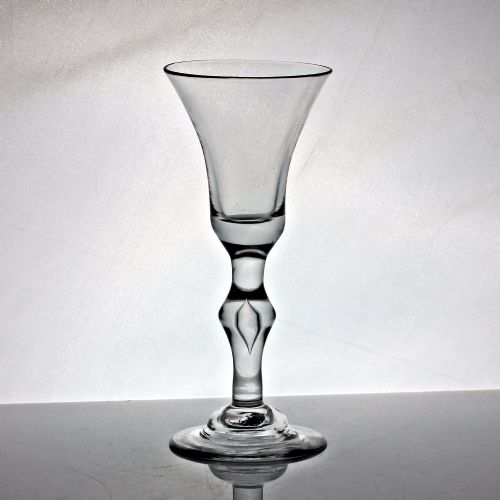
- A moulded column or stem with a swelling contour, commonly found on the stems of 18th-century drinking glasses and goblets.
- Bonbon dish
- A small open vessel intended for holding sweets, bonbons, or nuts.
- Lustre
- An iridescent metallic glaze applied to pottery, creating a reflective, rainbow-like surface sheen.
Vintage Footed Bowl: Frequently Asked Questions
How were footed bowls used historically?
These vessels served functional and decorative roles in dining rooms and drawing rooms. Large pedestal bowls held fresh fruit or floral arrangements as table centrepieces.
Smaller versions like bonbon dishes or comports presented sweets and nuts during formal afternoon teas or evening gatherings.
How do I style a footed bowl at home?
Place a large crystal or porcelain bowl on a dining table or sideboard to create an immediate focal point. Leave it empty to showcase cut glass facets or fill it simply with seasonal fruit.
Smaller silver or brass footed dishes suit coffee tables or sideboards, holding small trinkets or remaining purely decorative.
How can I tell a Georgian glass foot from a later copy?
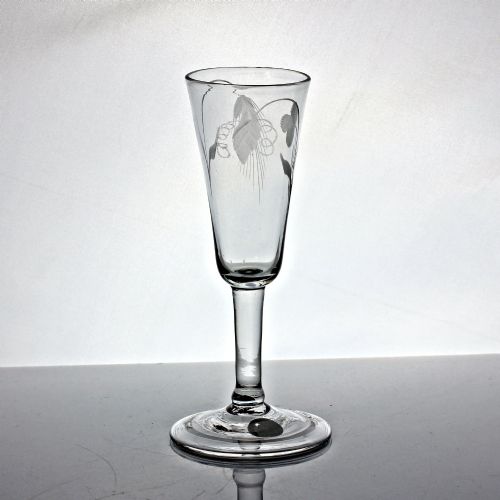
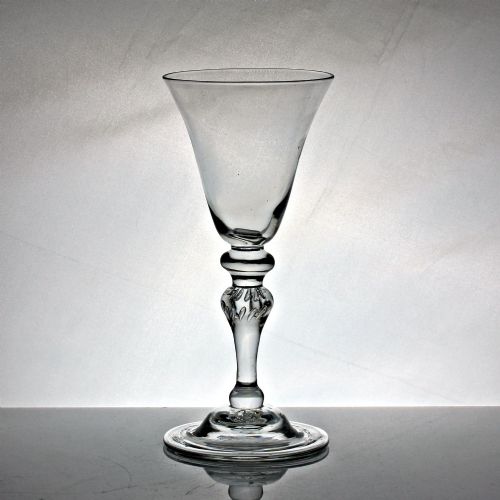
Georgian drinking vessels often feature characteristic pontil marks, hand-cut facets, and folded or domed feet formed while the metal was hot. The glass frequently displays minor bubbles and imperfections consistent with early hand-blowing techniques.
Later reproductions tend to feel heavier and show mechanical uniformity without the subtle waviness of antique glass.