



Vintage Foo Dogs
These vintage foo dogs, also known as guardian lions, bring traditional protective energy and sculptural presence to any interior.
Vintage Foo Dogs
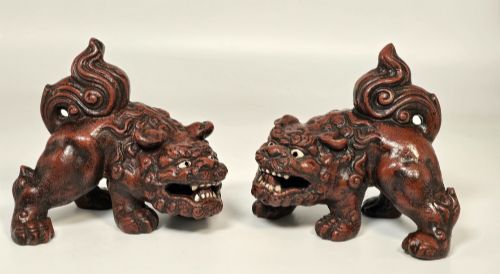
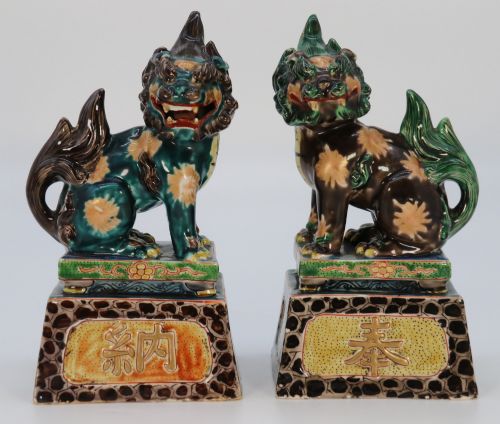
When searching for vintage foo dogs, you encounter guardian figures and decorative temple lions spanning the nineteenth century through the mid twentieth century. These pieces appear as sculptural pairs, desk seals, incense burners, and bookends.
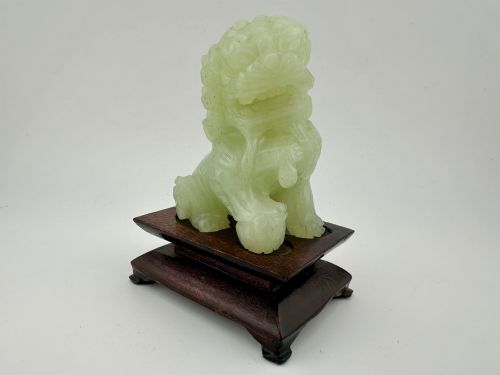
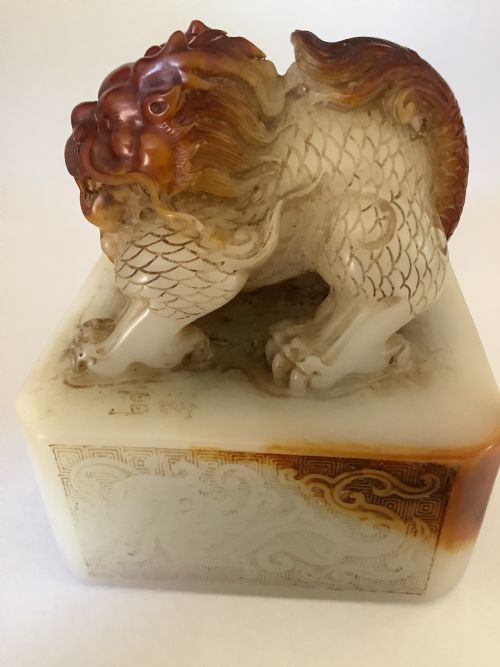
The selections on this page draw from diverse cultural expressions, including traditional Chinese, Qing period, Tibetan, and Victorian Chinoiserie interpretations. You will find forms ranging from large bronze temple lions to small carved jade figures.
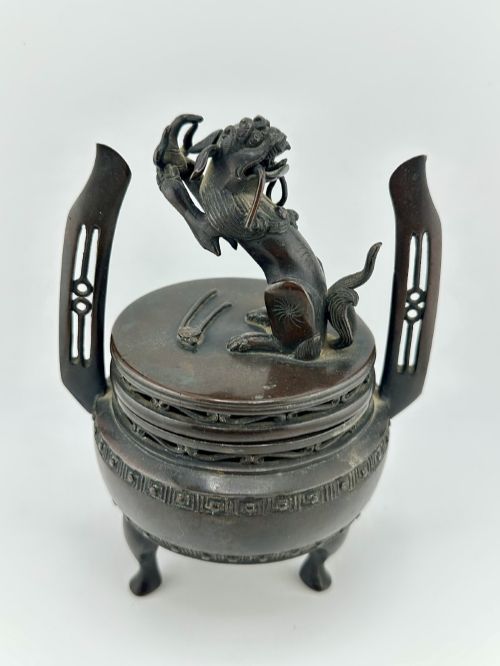
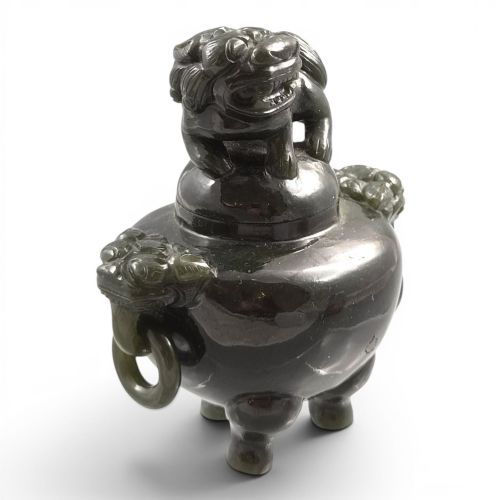
Makers utilised various traditional formats, adapting guardian lions into functional items like tripod censers with qilin finials and heavy door plates. The recurring motif remains the powerful mythical lion protecting sacred spaces.
How they were made
Metalworkers employed bronze casting techniques to create heavy tripod censers, door plates, and gilt bronze temple lions. Cast iron examples also appear, demonstrating the versatility of metal casting traditions.
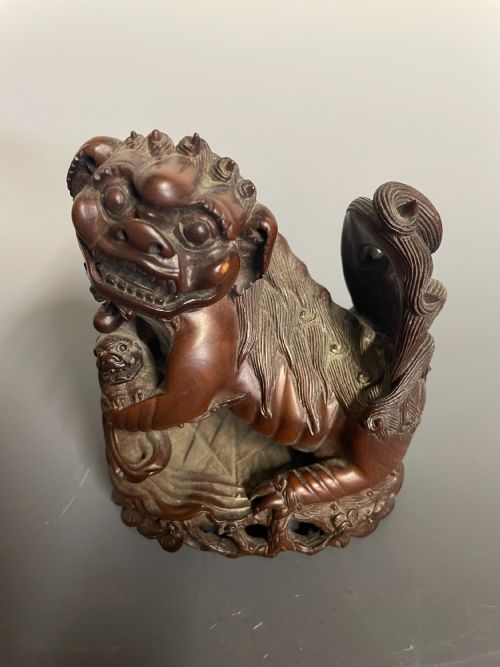
Potters shaped ceramic and porcelain bodies, applying colourful glazes and enamels during the Qing and Republic periods. Boxwood carvings display fine grain work characteristic of traditional wood sculpture.
Vintage Foo Dogs Retail Price Guide 2026
Typical asking prices for vintage foo dogs among the pieces listed under this phrase on Sellingantiques today, from the lower quarter to the upper quarter. They describe what is for sale here now, not the wider market.
One determined artisan carved a tiny dog of fo sitting so heavily on a chunky seal that it looks ready to stamp a royal decree.
What varies in quality
The distinction between ordinary and superior pieces lies in the crispness of the carving and the depth of the material. Finer jade, bronze, and wood figures exhibit sharper anatomical definition and deliberate restraint in ornamentation.
Proportion and stance dictate the visual impact of a pair, with superior examples showing balanced symmetry and expressive facial postures. Material selection also defines the tier, as dense nephrite jade and heavy gilt bronze command greater presence than simpler cast iron or basic pottery.
The Vintage Foo Dogs Glossary
- Foo Dog
- A Western term for Chinese guardian lions, traditionally placed outside palaces and temples to ward off evil spirits. These mythical beasts combine the majesty of a lion with the loyalty of a dog.
- Censer
- An incense burner designed with a bowl and cover, frequently topped with a qilin finial. Bronze examples often stand on three tripod legs.
- Hardstone
- A collective term for semi-precious stones like jade, soapstone, and serpentine used in Asian carving. Artisans value these dense materials for their smooth polish and lasting durability.
- Qing Dynasty
- The last imperial dynasty of China, spanning from sixteen forty-four to nineteen twelve. Pieces from this era often feature traditional motifs and refined craftsmanship.
- Republic Period
- The era in Chinese history following the fall of the Qing dynasty, lasting from nineteen twelve to nineteen forty-nine. Workshops during this time continued traditional carving arts while adapting to new markets.
Vintage Foo Dogs: Frequently Asked Questions
What is the history behind foo dogs?
Foo dogs originate from traditional Chinese Buddhist art, where they served as symbolic guardians of sacred buildings and imperial tombs. Over centuries, these protective motifs transitioned into decorative arts exported to Western collectors.
Today, they remain popular decorative objects appreciated for their cultural heritage and striking sculptural silhouettes.
How do I display foo dogs at home?
Guardian lions traditionally sit in pairs flanking an entryway, mantelpiece, or bookcase to symbolize protection and balance. Smaller items like jade desk seals and bronze censers work well on executive desks or display cabinets.
Position them facing outward to symbolically guard the threshold of your room or living space.
Are foo dogs always made of jade?
No, these guardian figures appear in a wide variety of materials including bronze, pottery, porcelain, wood, soapstone, and cast iron. While jade holds high status among collectors, metal and ceramic versions offer equally rich textures and historical context.
Each material reflects the specific medium preferred by the workshop and period of origin.
How can I tell the age of a foo dog?
Dating relies on examining the material wear, tool marks, glaze characteristics, and stylistic traits associated with specific periods like the Qing dynasty or Republic era. Natural patination on bronze and subtle ageing on wood or stone help indicate older manufacture.
Comparing the stylistic conventions of the carving with documented period pieces provides further clues to age.