

Vintage Folk Carving
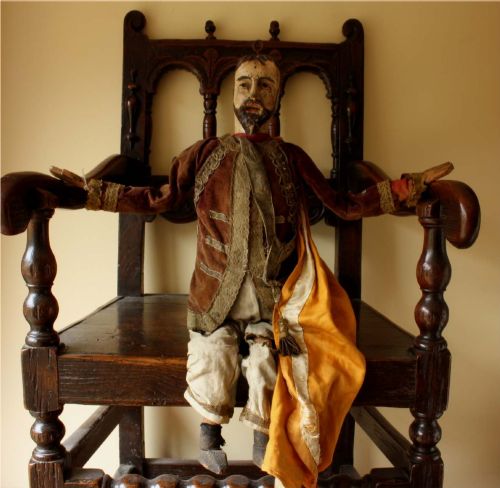
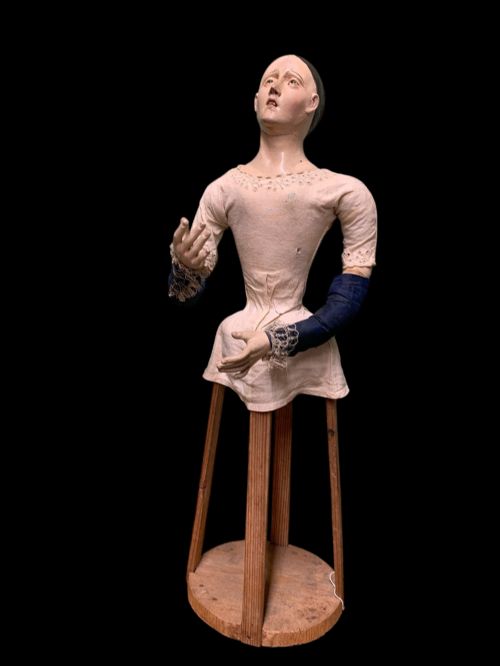
Vintage folk carving brings together hand-whittled figures, practical items, and animal studies shaped by regional makers across past centuries.
Vintage Folk Carving
Vintage folk carving encompasses hand-worked wooden objects, small sculptures, and decorative items created outside formal academic traditions. These pieces reflect local customs and utilitarian needs from periods spanning the nineteenth century through the early twentieth century.
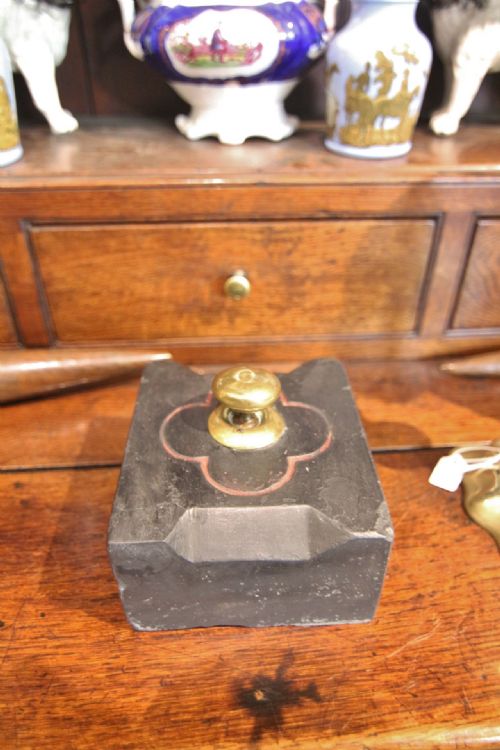
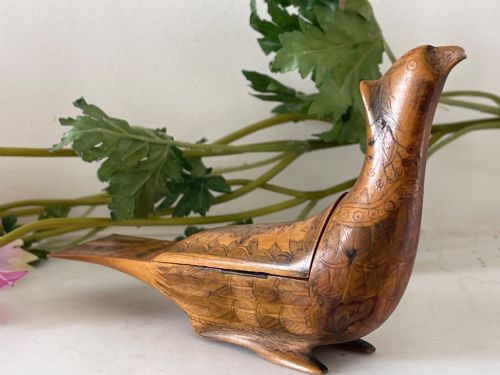
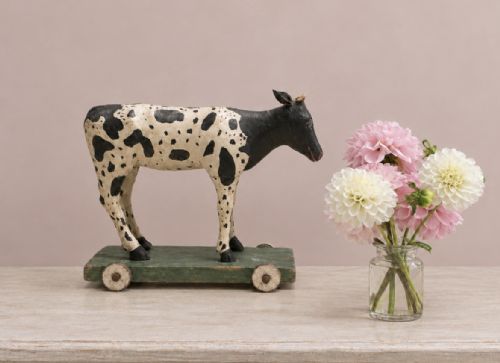
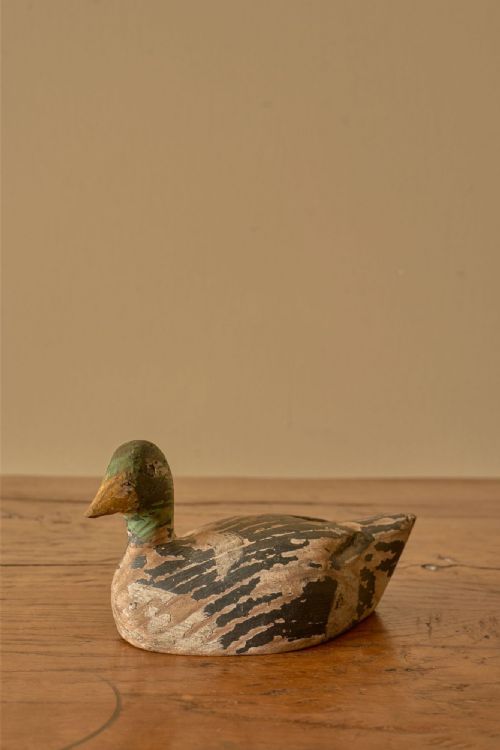
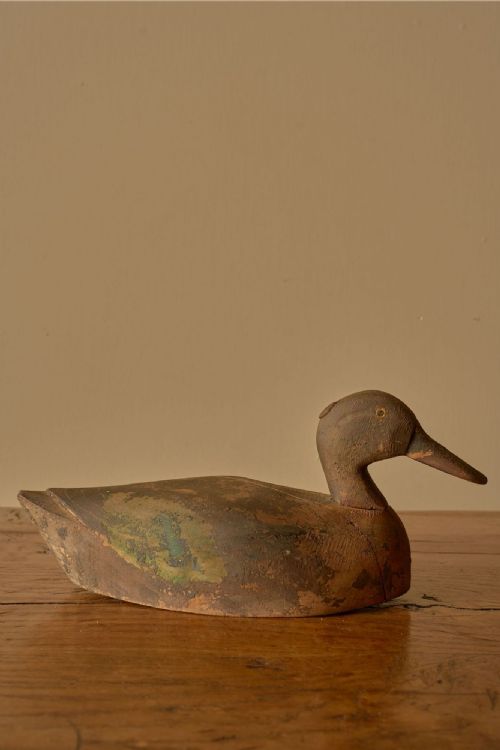
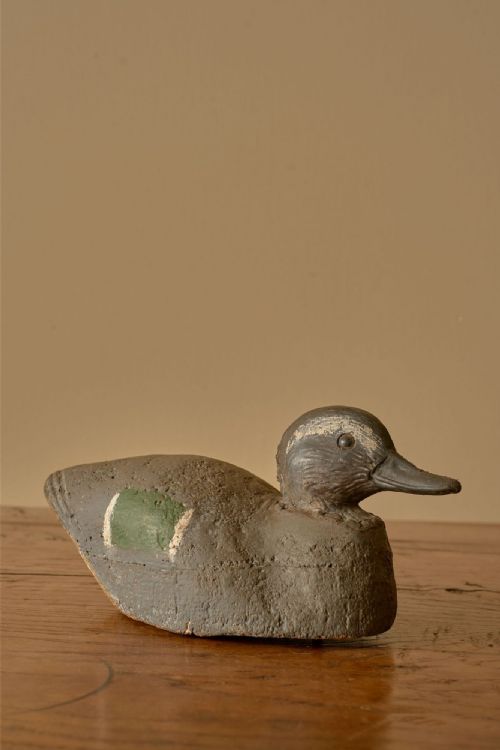
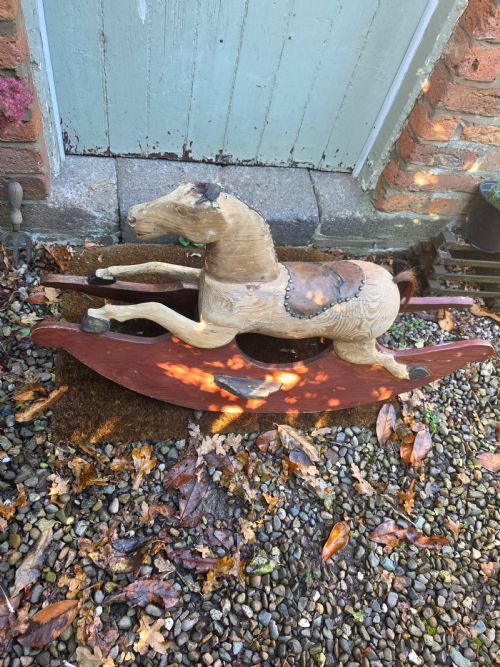
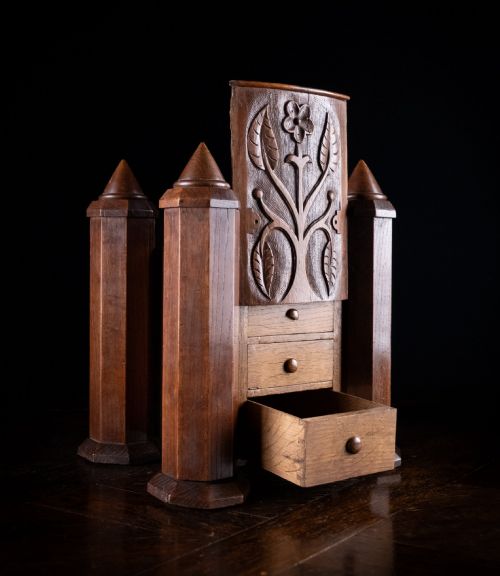
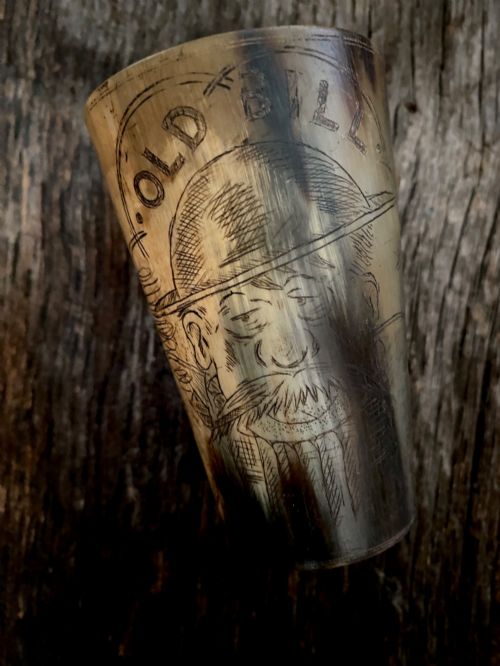
Buyers encounter a diverse range of forms, including carved animals, miniature shoes, snuff boxes, decoy ducks, and primitive rocking horses. Pine, oak, fruitwood, and painted surfaces dominate the selection available on this page.
Geographic origins vary widely, stretching from English and Scandinavian country workshops to Japanese wood-carving traditions and continental European examples. Each object carries the distinct hand of an individual maker working with local materials.
Materials and Methods
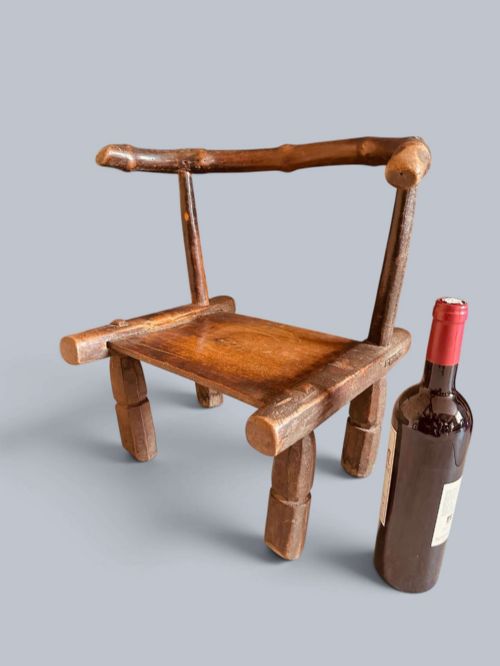
Carvers utilised accessible local timbers such as pine, oak, fruitwood, and linden, often selecting pieces with distinct grain patterns or knots. Basic hand tools like pocket knives, gouges, and chisels shaped the wood directly without mechanical assistance.
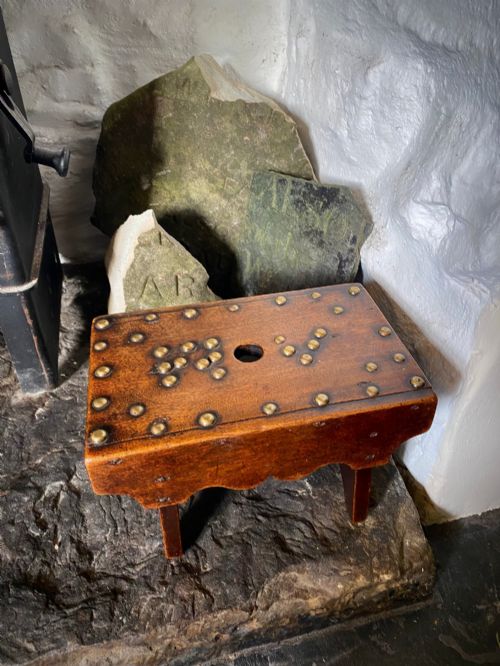
Surface treatment frequently involved simple oil finishes, dark wax, or layered oil paint that aged through handling and exposure. Metal pins, iron brackets, and brass studs occasionally provided structural reinforcement or functional detailing.
Vintage Folk Carving Retail Price Guide 2026
Typical asking prices for vintage folk carving among the pieces listed under this phrase on Sellingantiques today, from the lower quarter to the upper quarter. They describe what is for sale here now, not the wider market.
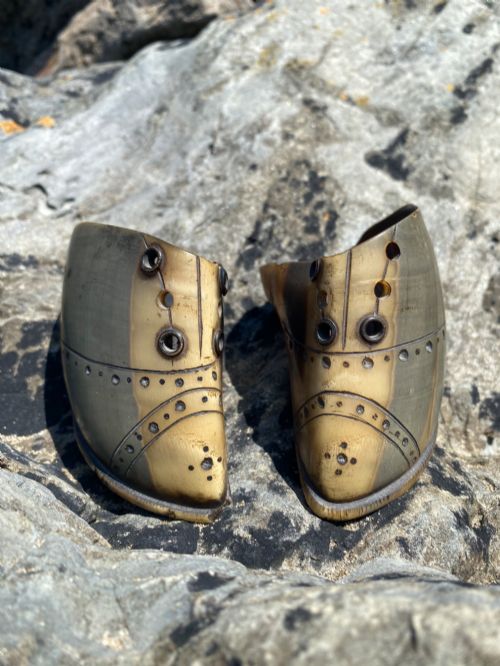
Several miniature shoes fashioned from actual animal hooves appear among the carved animals and decoy ducks.
Assessing Quality
Quality rests upon the confidence of the carving and the expressive directness of the form rather than academic proportion. Pieces that capture posture and character with economy of line stand apart from stiffer, more derivative work.
Surface preservation and untouched patination dictate the desirability of a piece. Original paint, rich wax accumulation, and signs of genuine handling elevate an object above stripped or over-cleaned examples.
The Vintage Folk Carving Glossary
- Treen
- Small handmade wooden items designed for domestic or utilitarian use. These objects range from ladles and knitting sheaths to small boxes.
- Folk Art
- Artistic creation shaped by a regional culture or community rather than professional academic training. It prioritises practical utility and direct expression.
- Decoy
- A carved and painted bird or animal likeness utilised to attract wildlife during hunting. Makers often achieved remarkable realism through simplified forms.
- Patina
- The surface sheen and colour developed through age, handling, and exposure to light. It acts as a primary indicator of authenticity.
Vintage Folk Carving: Frequently Asked Questions
What defines vintage folk carving?
These pieces are handmade wooden objects produced by non-professional makers for domestic, decorative, or practical purposes. They draw on regional traditions rather than academic art instruction.
Materials typically include local woods finished with simple paints, oils, or natural waxes that show the direct marks of hand tools.
How were these wooden items used originally?
Many served everyday domestic functions, such as holding snuff, storing matches, serving food, or aiding in textile production like knitting. Others functioned as children's toys, trade signs, or decorative animal figures.
Practical utility dictated the initial design, while individual whittlers introduced personal decorative flourishes during the crafting process.
How should I care for carved wood?
Keep wooden pieces away from direct sunlight and steady heat sources to prevent the timber from drying out or splitting. Gentle dusting with a dry cloth maintains the surface without disturbing the historic finish.
Avoid applying modern furniture polishes or abrasive cleaners, which can damage the original wax, paint, and accumulated patina.
How can I tell older pieces apart?
Dating relies on identifying tool marks, wood species, and the natural wear patterns accumulated over generations of handling. Construction methods and regional stylistic clues also point toward specific periods like the nineteenth century or Edwardian era.
Examining the base and interior surfaces often reveals the straightforward joinery and hand-carved details characteristic of earlier work.