

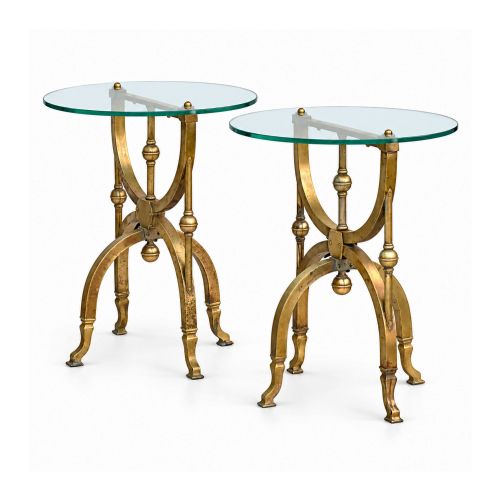
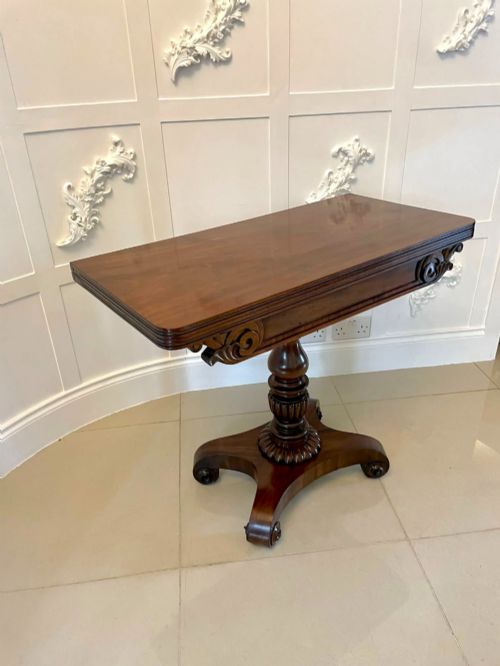


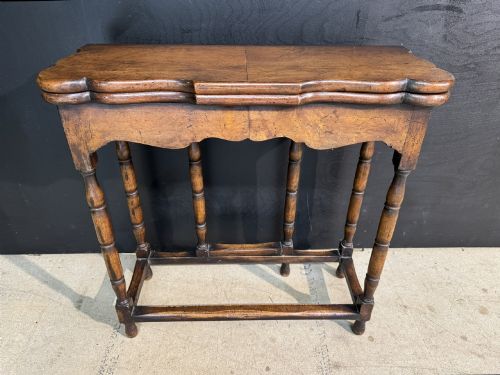
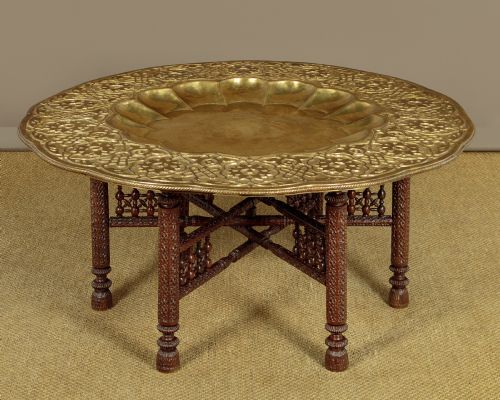



Vintage Folding Top Table
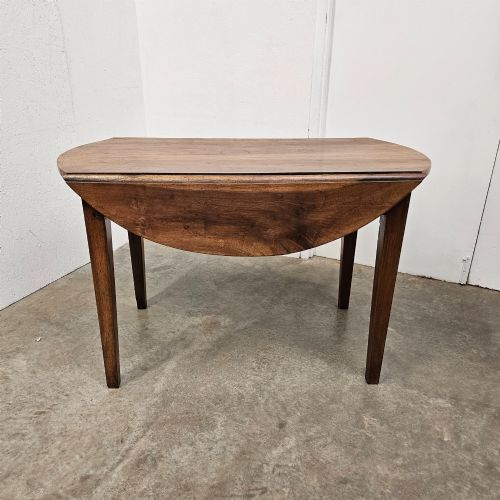
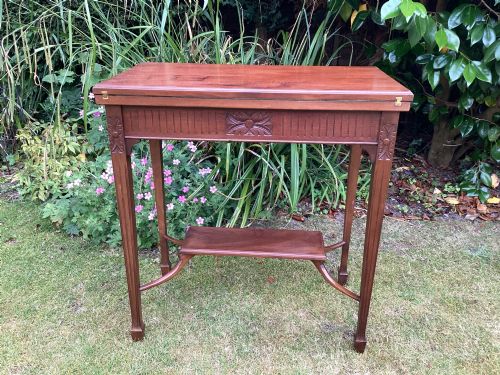
A vintage folding top table offers clever surface versatility, shifting seamlessly from compact side piece to card or tea surface.
Vintage Folding Top Table
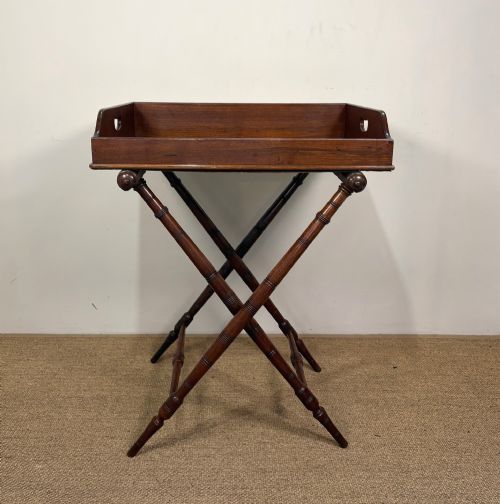
A vintage folding top table encompasses versatile furniture designed to expand or alter its footprint, spanning tea, card, and games configurations alongside butler trays and metamorphic designs. These pieces appear across various periods from the nineteenth century through the nineteen-thirties, reflecting diverse domestic needs for adaptable furniture.
The most common examples on this page are mahogany and oak tea or games tables, alongside walnut card tables and occasional pieces in Edwardian and nineteenth-century styles. Such tables frequently draw on earlier design idioms, including Queen Anne, Hepplewhite, and George II revivals, bringing traditional silhouettes into twentieth-century homes.
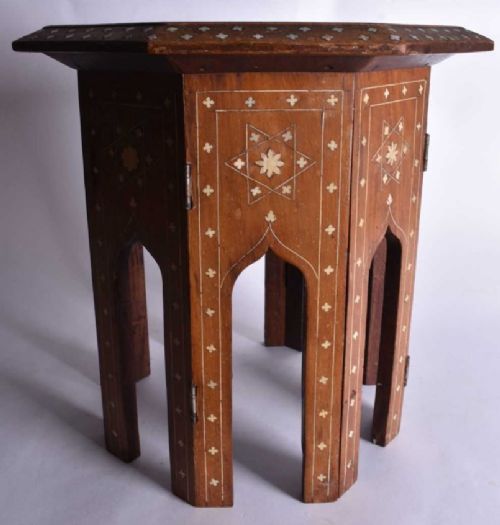
Origins vary from English workshops to French country ateliers and Anglo-Indian makers, introducing diverse regional materials such as teak, brass, and burr walnut. Buyers find everything from campaign and tray tables to complex metamorphic writing desks and console card tables.
Materials and construction
Cabinetmakers utilised dense timbers like mahogany, oak, walnut, and burr walnut, often pairing them with decorative veneers, satinwood inlays, or mother of pearl. Brass hinges, brackets, and catches facilitate the folding mechanisms, while some tables incorporate metal components such as iron trestles, zinc tops, or copper surfaces.
Construction relies on traditional joinery to ensure folding leaves, swivel tops, and drop leaves operate smoothly without weakening the structural frame. Carving appears on specific regional pieces, notably Anglo-Indian teak tables, while French and English workshops focused on figured wood grains and inlay work.
Vintage Folding Top Table Retail Price Guide 2026
Typical asking prices for vintage folding top table among the pieces listed under this phrase on Sellingantiques today, from the lower quarter to the upper quarter. They describe what is for sale here now, not the wider market.
Listings feature woods spanning mahogany, oak, walnut, burr walnut, satinwood, teak, and pine alongside brass, copper, and zinc.
Craftsmanship and execution
Quality rests primarily on the precision of the folding mechanism and the stability of the hinges and pivots when the surface is open. Superior examples maintain a level, rigid top without wobble, demonstrating exact alignment between fixed and folding sections.
The selection of timber and veneer dictates visual hierarchy, with figured mahogany, burr walnut, and satinwood inlay representing higher levels of material investment. Finely executed carving, clean joinery, and intact original hardware distinguish master workshops from standard production items.
Epstein and Co·J.C Vickery of London
The Vintage Folding Top Table Glossary
- Tea Table
- A small table designed for serving tea, often featuring a folding top to save space when not in use. These pieces frequently date from the eighteenth to early twentieth centuries.
- Card Table
- A specialist table with a fold-over top that opens to reveal a baize or wooden playing surface for card games. They often include corner wells for counters or candlesticks.
- Metamorphic
- Furniture engineered to transform from one object into another, such as an occasional table converting into a fire screen or writing desk. This ingenuity defined much Edwardian and later design.
- Butler Tray
- A removable tray with hinged or solid sides, traditionally set upon a folding wooden stand for easy transport and storage. They appear frequently in mahogany and oak.
- Burr Walnut
- A highly prized timber veneer derived from walnut tree growths, displaying swirling, irregular grain patterns. Cabinetmakers utilised it on statement card and console tables.
Vintage Folding Top Table: Frequently Asked Questions
What is a folding top table used for?
These tables served multiple domestic functions, expanding to accommodate tea service, card games, or dining before folding back to conserve floor space.
In modern interiors, they function brilliantly as flexible side tables or console surfaces that adapt when guests arrive.
How do I operate the folding mechanism?
Most fold-over tops swivel on a central pivot to reveal a hidden compartment beneath, or lift on hinged brackets that lock into place.
Careful handling ensures the internal wooden hinges and brass pivots remain aligned and secure over years of use.
Where were these tables made?
The pieces originate from various regions, including English cabinetmakers, French provincial workshops, and Anglo-Indian trading hubs.
Each region imparted distinct aesthetic choices, from English mahogany revivals to intricately carved Indian teak and brass tray tables.
How do I distinguish between periods?
Nineteenth-century examples often favour solid mahogany or walnut with restrained lines, while Edwardian pieces introduce lighter satinwood inlays and occasional oak tea trolleys.
Later items from the nineteen-twenties and thirties often embrace bolder revivals, industrial iron framing, or metamorphic engineering.