



Vintage Folding Fan
A vintage folding fan brings intricate movement and decorative brass or paper craftsmanship into a room, offering both historical charm and structural elegance.
Vintage Folding Fan
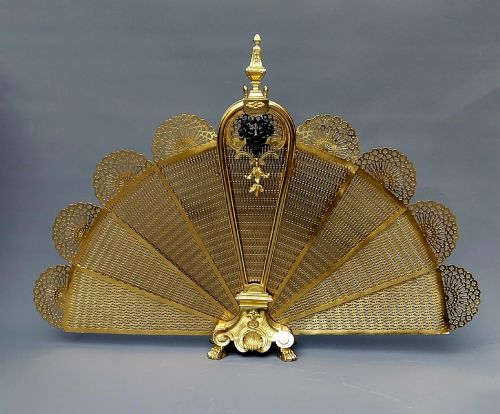
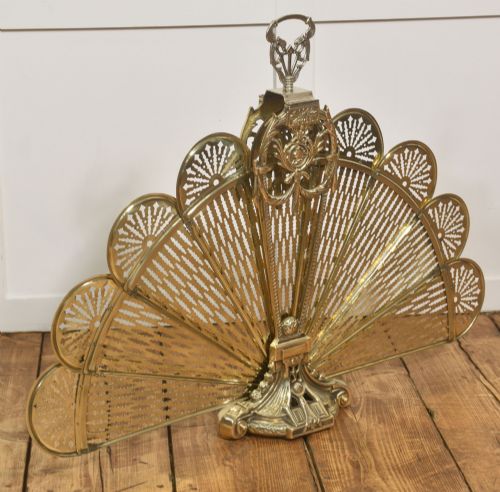
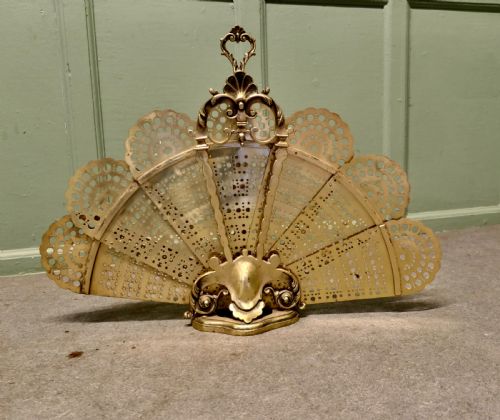
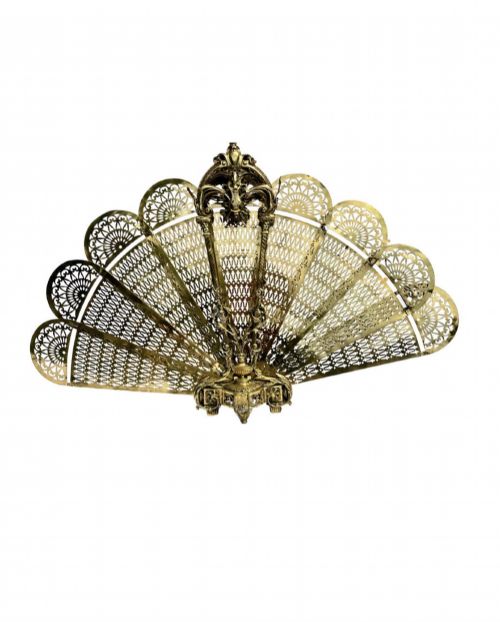
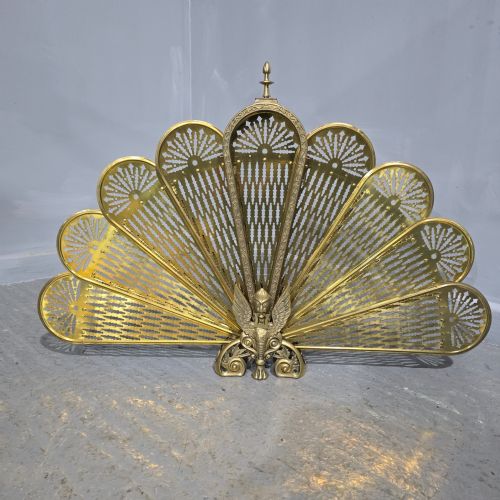
When you search for a vintage folding fan, you encounter a surprisingly broad mix of domestic objects spanning hand-held accessories and large hearth furniture. The selections range from Victorian and Edwardian brass peacock fire screens that fan open before a fireplace to framed nineteenth-century paper leaf hand fans.
The larger hearth guards take the iconic shape of an avian tail, utilising pivoting metal blades that fold flat when not in use. Meanwhile, smaller handheld examples utilise delicate materials like lace and mother-of-pearl mounted behind pastoral scenes or delicate paper leaves.
How they were made
Brass and gilt bronze form the structural backbone of the larger screens, shaped through casting and wire mesh assembly to withstand the heat and daily use of a period hearth. Articulated segments allow individual metal vanes to rotate smoothly upon a central pivot.
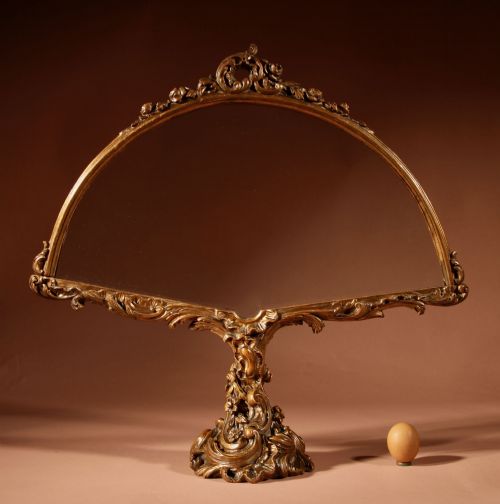
Handheld and wall-mounted versions rely on organic elements like mother-of-pearl and paper, often supported by gilt wood or gilt metal frames. Artisans combined delicate folding mechanisms with painted pastoral or musical scenes to create ornamental pieces intended for display rather than utility.
Even a clothes airer sneaks into the collection, proving that Victorians wanted folding fan mechanics applied to the weekly wash as well.
What varies in quality
Quality rests primarily on the crispness of the casting in metal hearth screens and the refinement of the pivoting mechanism. Finer examples display tightly registered brass blades that fold uniformly without binding, alongside detailed openwork in the French Rococo style.
For handheld and framed pieces, distinction lies in the preservation of fragile materials like lace and paper leaf, and the artistry of any hand-painted pastoral scenes. A heavier gilt bronze construction by a known foundry elevates a piece above standard decorative hardware.
Bouhon Frères
The Vintage Folding Fan Glossary
- Peacock fan
- A hearth screen composed of multiple overlapping metal blades that expand outward in the shape of a tail. They became popular in the Victorian and Edwardian eras to cover empty fireplaces during warmer months.
- Gilt bronze
- Metal alloy coated with a thin layer of gold or gold-coloured wash to impart a rich, reflective surface. It provides both durability and ornate detail in nineteenth-century decorative objects.
- Wire mesh
- Fine metallic interlacing used within hearth guards to contain sparks while maintaining visibility of the firebox. It appears frequently alongside cast brass frames.
- Rococo Revival
- A nineteenth-century design style characterised by asymmetrical scrolls, C-curves, and naturalistic plant motifs. It heavily influences the decorative mounts found on mid-nineteenth-century screens and stands.
Vintage Folding Fan: Frequently Asked Questions
What is a brass peacock fan screen?
A brass peacock fan screen is a hearth accessory made of pivoting metal blades that expand into a semicircular fan shape. They were placed in front of fireplaces during the summer months to hide the grate and catch soot.
These pieces combine practical hearth management with decorative metalwork, often featuring detailed piercing or engraving along each blade.
How do you clean a brass fire screen?
Cleaning depends on the desired patina, but generally involves gentle dusting with a soft cloth to protect the intricate folding joints. Avoid harsh chemical polishes that strip away the aged character accumulated over decades.
For mesh sections, a soft-bristled brush helps remove accumulated dust without distorting the fine metallic weave.
Were these fans meant to be folded often?
Hearth screens were designed to be opened and closed seasonally, while handheld fans were built for regular manipulation. The pivot pins and hinges on quality pieces tolerate this movement well.
Careful handling ensures the individual metal or paper blades do not catch or bend against one another during operation.
How do I date a nineteenth-century fan?
Dating relies on material combinations, framing styles, and the complexity of the casting or painting techniques used. Mid-nineteenth-century examples often lean heavily into Rococo Revival motifs, while later Edwardian pieces show simpler lines.
Maker signatures or foundry marks stamped onto the brass frame also provide precise chronological anchors.