


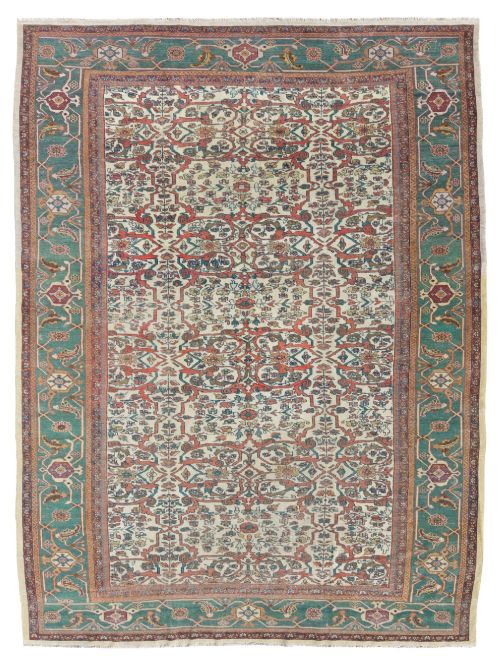
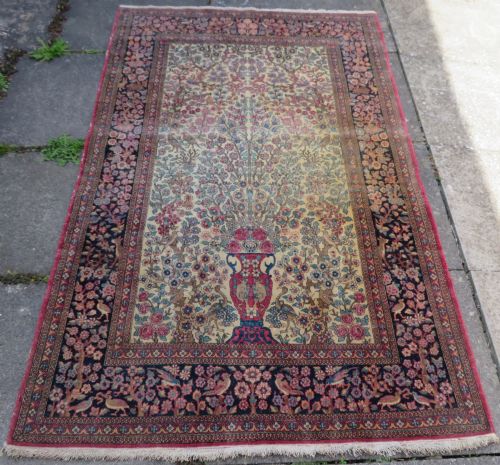
Vintage Floral Wool Rug
A vintage floral wool rug brings tactile warmth and deep pattern to a room, drawing on traditions from Persia, the Caucasus, and Eastern Europe.
Vintage Floral Wool Rug
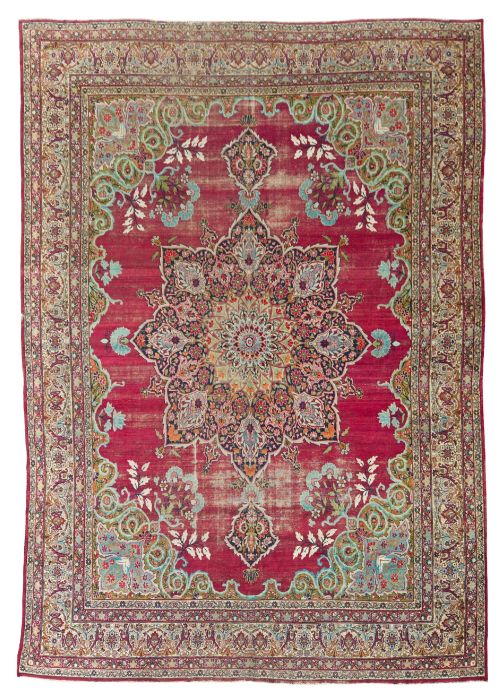
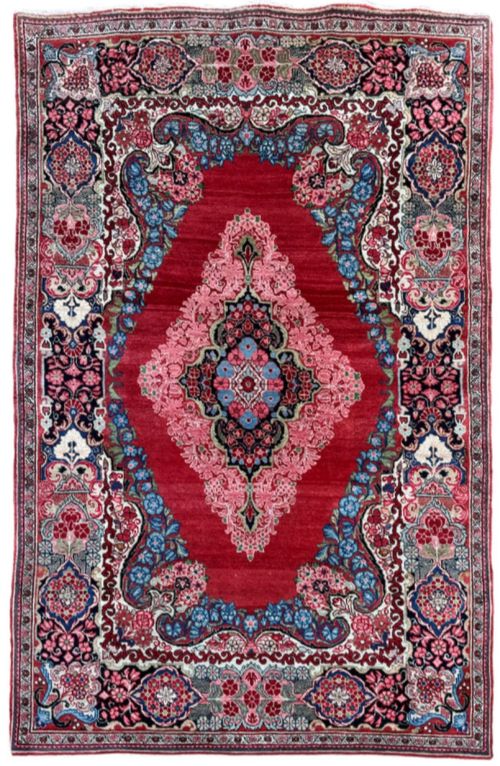
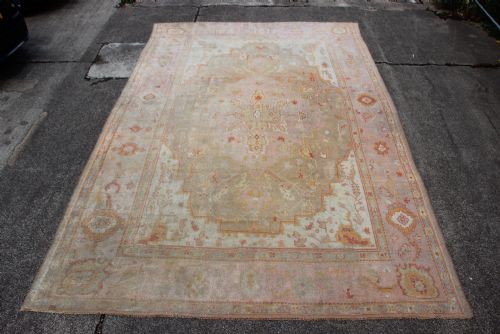
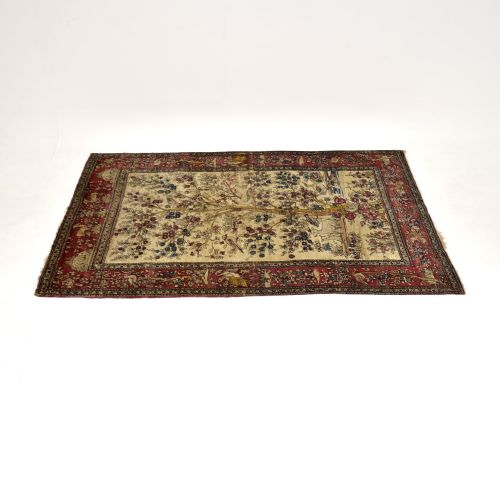
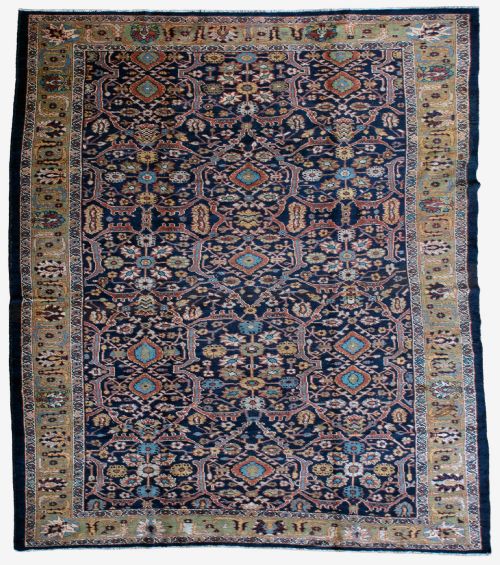
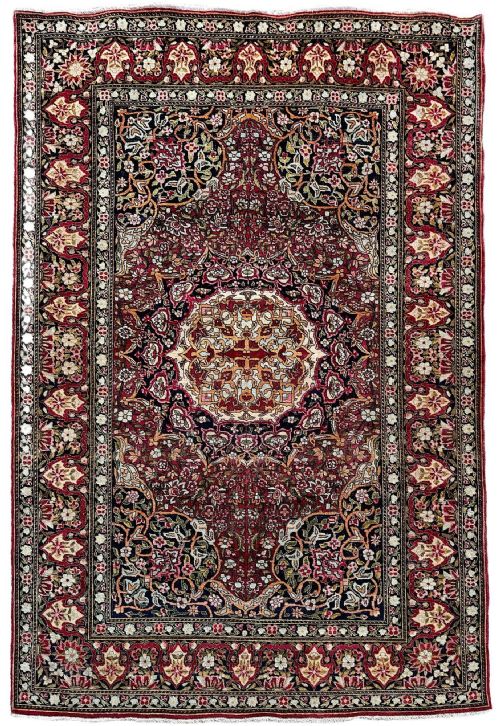
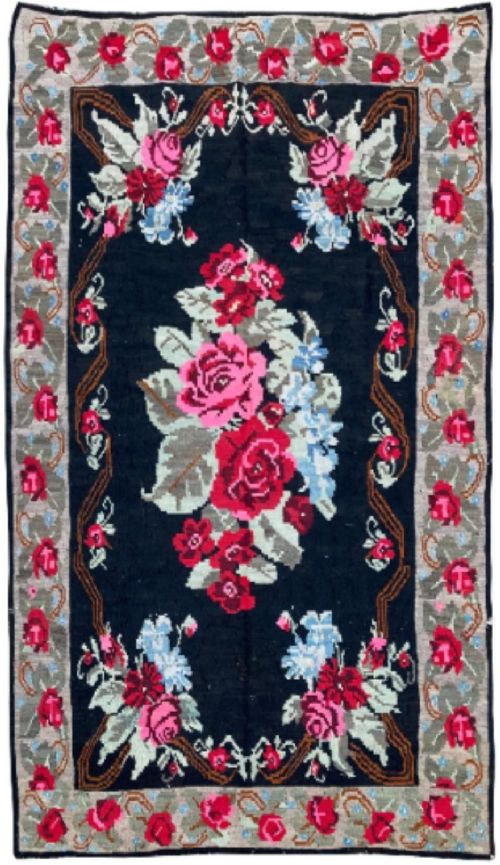
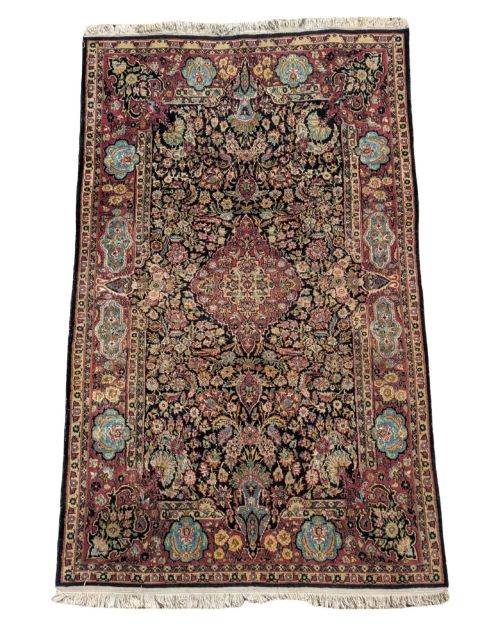
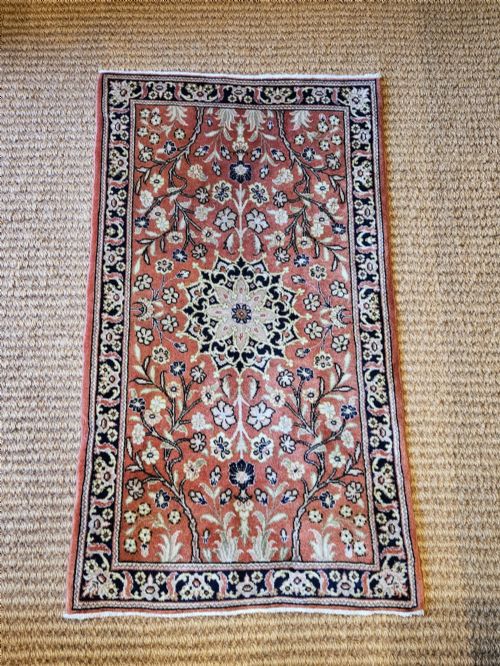
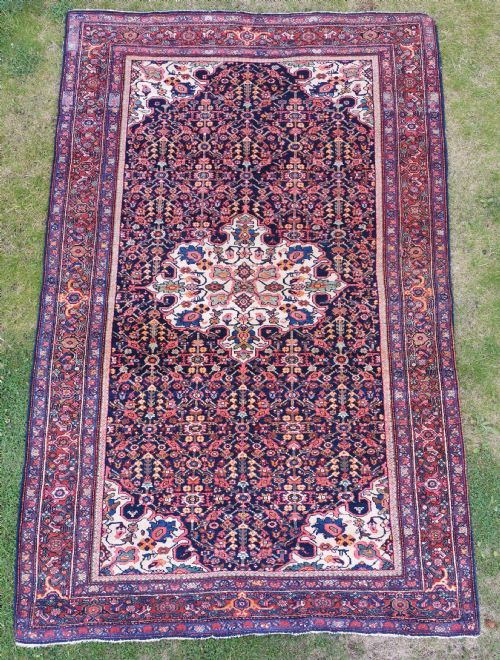
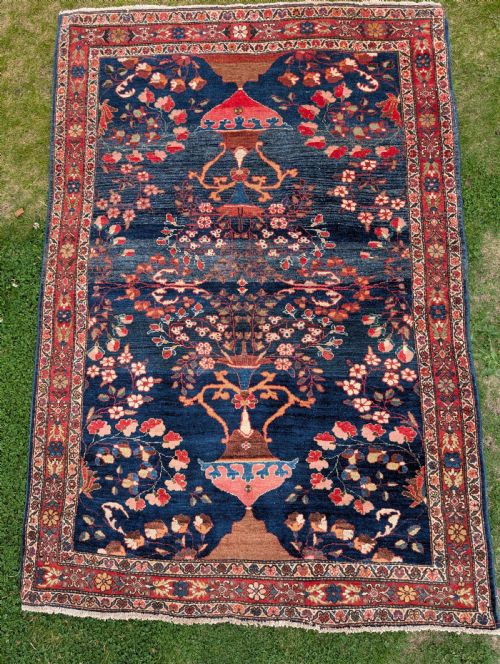
A vintage floral wool rug encompasses hand-knotted room-size carpets, hearth-sized floor coverings, and slender runners created across the late nineteenth and early twentieth centuries. These pieces display intricate botanical motifs, palmettes, and trellis designs rooted in traditional Persian, Caucasian, and European folk art workshops.
The selection on this page relies heavily on regional village and city weaves, including Mahal, Heriz, Bakhtiar, Oushak, and Isfahan productions. Buyers most frequently encounter room-size carpets and smaller area rugs bearing substantial wool piles and characteristic floral compositions from the decades between 1880 and 1940.
Materials and construction
The primary material across these pieces is wool, often paired with cotton foundations for stability and occasional silk highlights in finer urban carpets. Artisans knotted the pile by hand onto warp and weft threads, creating dense surfaces designed to withstand generations of daily foot traffic.
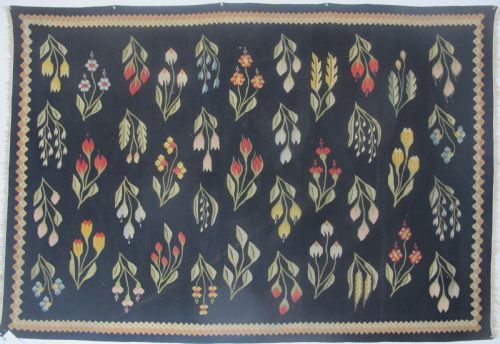
Certain examples incorporate canvas backings or take the form of flatwoven kilims and embroidered textiles rather than piled carpets. Natural dye traditions and regional knotting densities dictated the crispness of the floral outlines and the depth of the finished colour palette.
One tiny embroidery piece from Uzbekistan proves that makers could pack an entire botanical universe into a square smaller than a chessboard.
Assessing quality
Quality rests in the precision of the knotting and the clarity of the botanical design, distinguishing village pieces with spirited, irregular charm from finely executed city workshops. The handle of the wool, the complexity of the colour transitions, and the structural integrity of the foundation dictate the standing of an individual carpet.
Scale also drives distinction, as oversized room-size carpets and balanced runners demand exceptional weaver skill and considerable time investment compared to smaller hearth rugs.
The Vintage Floral Wool Rug Glossary
- Pile
- The vertical or diagonal loops of wool yarn that form the usable surface of a rug. Tightly packed pile preserves the clarity of intricate floral motifs over decades of use.
- Kilim
- A flatwoven textile produced without a raised pile. These pieces offer lighter weights and sharp, geometric interpretations of floral and folk motifs.
- Runner
- A long, narrow format designed specifically for hallways, corridors, and stairs. They repeat medallions or floral lattices along an extended axis.
- Foundation
- The underlying grid of warp and weft threads that supports the knotted wool. Cotton is commonly utilised for this structural skeleton in Persian and regional weaves.
- Medallion
- A large, central ornamental design motif placed in the middle of the field. Many traditional carpets build their floral symmetry around this focal point.
Vintage Floral Wool Rug: Frequently Asked Questions
How do I clean an antique wool rug?
Gentle surface brushing and professional specialist washing maintain the wool pile without damaging the natural dyes. Avoid harsh chemical agents and excessive moisture during routine maintenance.
Regular rotation prevents uneven wear patterns in high-traffic spaces. Professional inspection ensures foundation threads remain secure over time.
Where should I place a runner rug?
Runners suit narrow spaces such as hallways, entryways, and galleys where length matters more than width. Their dimensions help direct movement through domestic interiors.
Using an appropriate underlay prevents slipping and cushions the wool against hard timber or stone flooring.
How can I tell a village rug from a city carpet?
Village rugs often display bolder, more expressive geometry and occasional asymmetry in their floral patterns. City carpets tend toward finer knot counts and highly formal, perfectly balanced medallion layouts.
Regional palettes also offer clues, as local workshops utilised specific dye recipes passed down through generations.
Are these rugs suitable for daily use?
Traditional wool construction yields durable floor coverings built to handle everyday domestic environments. Quality materials absorb foot traffic while retaining their structural integrity.
Placing rugs away from direct, harsh sunlight preserves the richness of the historical colour palette.