


Vintage Floral Pin
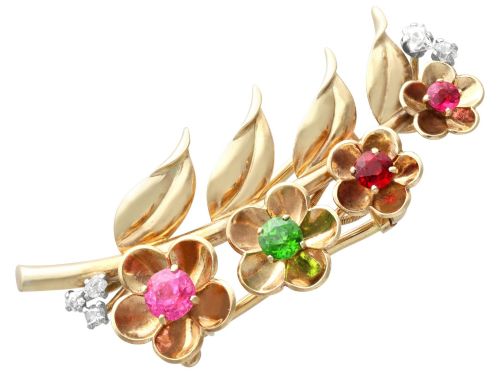
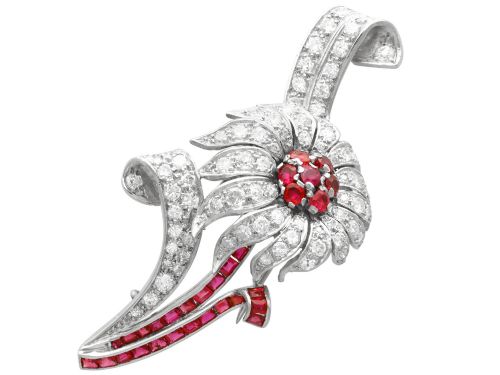
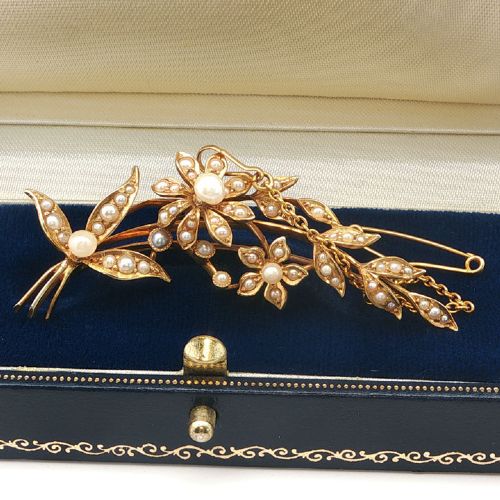
A vintage floral pin brings together precious metals, enamel and gemstones to capture lasting botanical detail.
Vintage Floral Pin
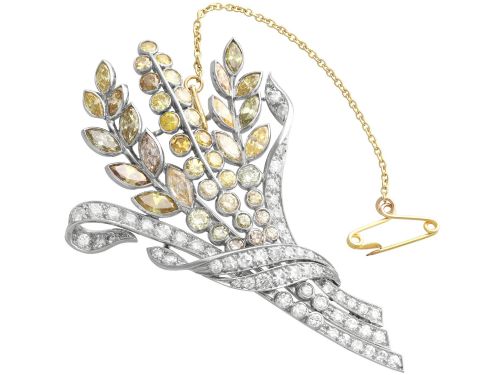
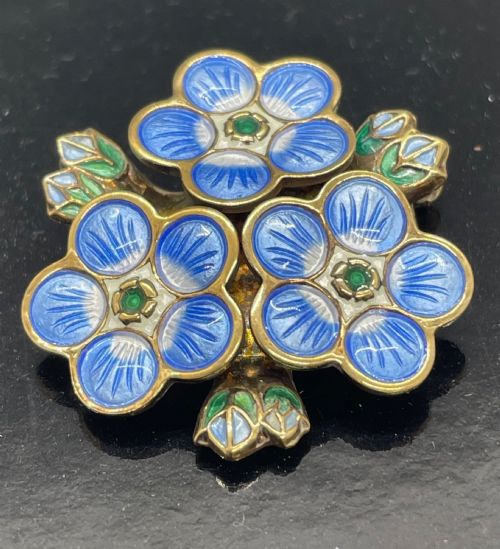
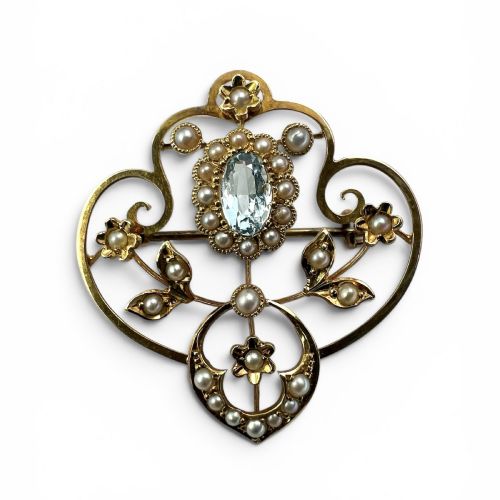
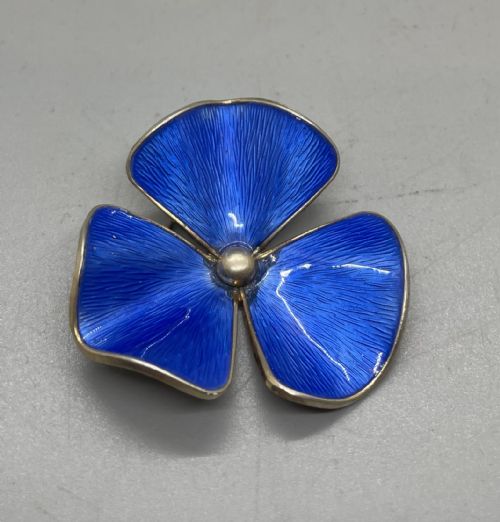
Buyers will encounter gold sprays, silver and enamel pansies, and gemstone-set flower baskets originating from the nineteenth century onward. These ornaments function as lapel highlights and secures for garments.
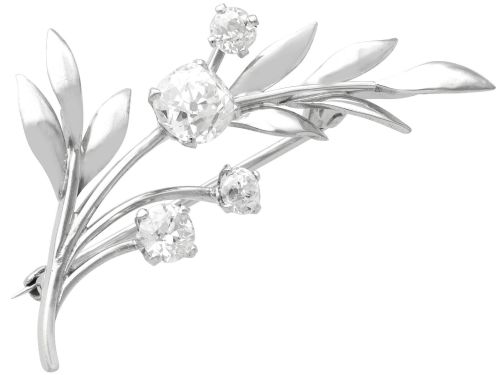
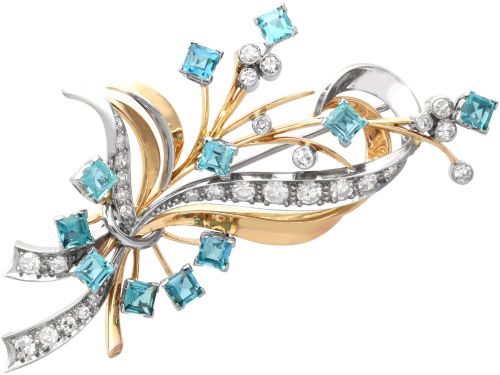
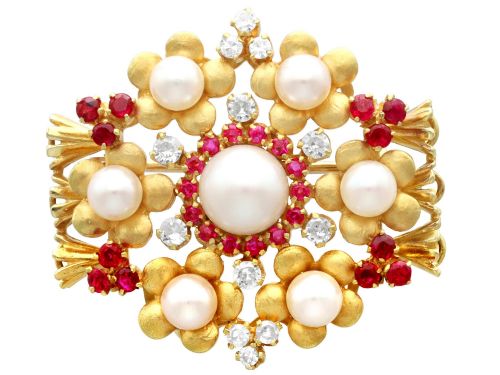
The assortment spans delicate pearl sprays to substantial diamond and platinum flower clusters. Each piece reflects the decorative taste of its specific decade of production.
Materials and Construction
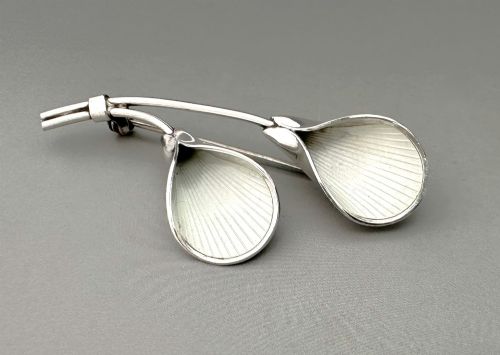
Makers utilised precious metals including sterling silver, platinum, nine-carat, fifteen-carat and eighteen-carat yellow and white gold to form the structural stems and petals. Silver gilt and palladium also appear in Scandinavian and mid-century designs.
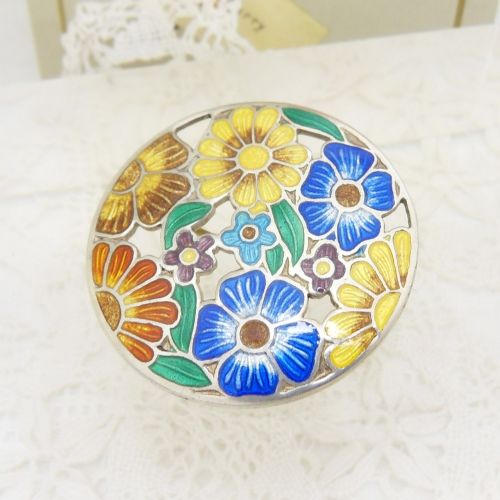
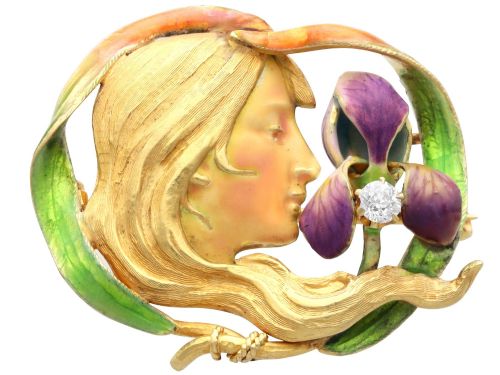
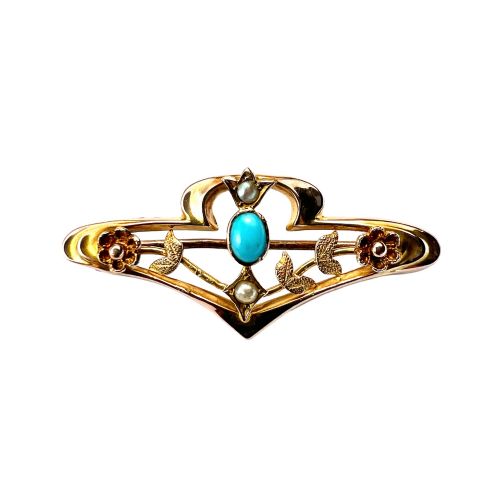
Enamelling techniques such as guilloche and plique-a-jour introduce vibrant colour to silver and gold surfaces, mirroring natural floral hues. Gems like diamonds, rubies, sapphires, peridots, turquoise, opals, aquamarines and pearls are set to highlight blossoms and leaves.
Vintage Floral Pin Retail Price Guide 2026
Typical asking prices for vintage floral pin among the pieces listed under this phrase on Sellingantiques today, from the lower quarter to the upper quarter. They describe what is for sale here now, not the wider market.
The listings on this page span the Edwardian era, Art Nouveau, Art Deco, Arts and Crafts movement, and mid-century modern periods.
Defining Quality in Floral Pins
Quality rests in the precision of the botanical rendering and the harmony of the materials used. Superior examples demonstrate intricate metalwork, secure gem-setting and well-preserved enamel without loss.
Artistry differentiates standard production items from masterworks. The skill required to execute translucent plique-a-jour or detailed guilloche enamel elevates the standing of a piece.
Cartier·David Andersen·A H Darby And Son·Georg Jensen·WMF
The Vintage Floral Pin Glossary
- Guilloche enamel
- A decorative technique where a transparent enamel layer is applied over engine-turned metal engraving. This method creates repetitive geometric patterns beneath the glossy coloured surface.
- Plique-a-jour
- An enamelling technique resembling miniature stained glass where enamel is fired in open cellular frames without a backing. Light passes directly through the translucent coloured sections.
- Stick pin
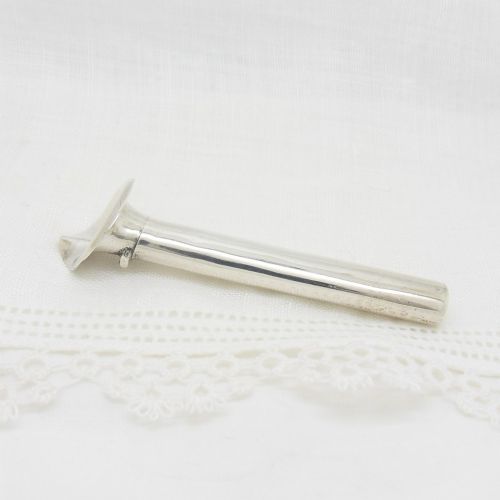
- A long pin with a decorative head used to fasten neckties, lapels or hats. The secure pin shaft typically includes a protective cap.
- Silver gilt
- Silver that has been coated with a thin layer of gold. This process provides the rich warmth of gold while utilising a silver base.
- Giardinetti
- A historical style of jewellery depicting a small garden contained within a vase or basket. These pieces incorporate multi-coloured gemstones to represent blossoming flowers.
Vintage Floral Pin: Frequently Asked Questions
How do I wear a vintage floral pin?
These pins attach securely to lapels, coat collars, scarves and heavy knitwear using traditional pin stems and safety catches. Placing them on structured fabrics helps support the weight of gemstone-set designs.
They also function as decorative closures for shawls and capes when fitted with secure fastenings. Careful placement avoids pulling delicate textiles.
How do I date a floral pin?
Dating relies on identifying stylistic markers, metal purity hallmarks and construction methods associated with specific decades. Edwardian pieces often feature platinum-topped gold with delicate openwork, while mid-century Scandinavian examples favour clean silver lines and guilloche enamel.
Maker marks and registration numbers stamped on the reverse provide precise chronological references. Comparing stone cuts and setting styles further clarifies the period of origin.
Were these pins used differently in the past?
Historical floral pins served multiple functional and decorative roles in daily dress. They fastened cravats, secured lace collars and adorned hats alongside lapels and waistbands.
Many pieces were designed as convertible items featuring hidden loops to transition between brooches and pendants. This versatility suited changing fashions across the Edwardian and mid-century eras.
How do I clean an enamel floral pin?
Enamel and softer gemstones require gentle maintenance using a soft cloth and lukewarm water. Harsh chemical dips and ultrasonic cleaners damage delicate enamel surfaces and natural pearls.
Thorough drying prevents moisture retention in settings and joints. Professional inspection safeguards antique mounting integrity over time.