




Vintage Floral Painted Box
A vintage floral painted box brings hand-applied colour and folk charm to small-scale storage.
Vintage Floral Painted Box
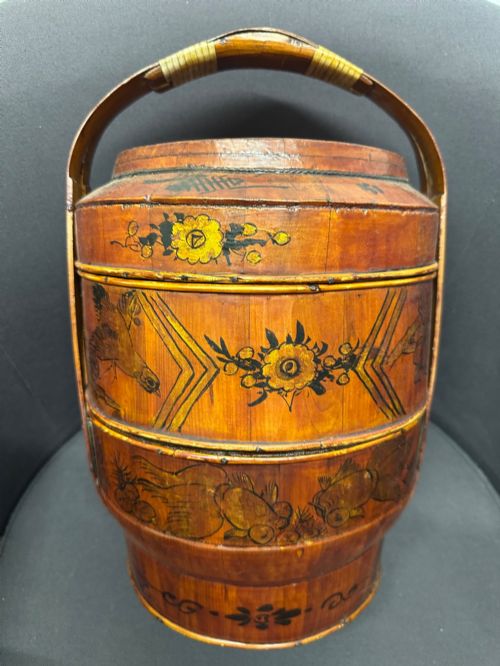
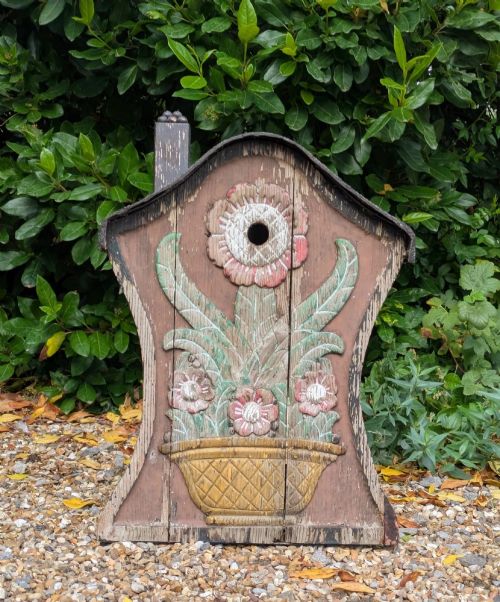
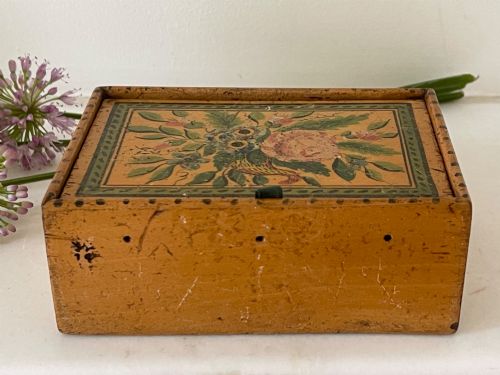
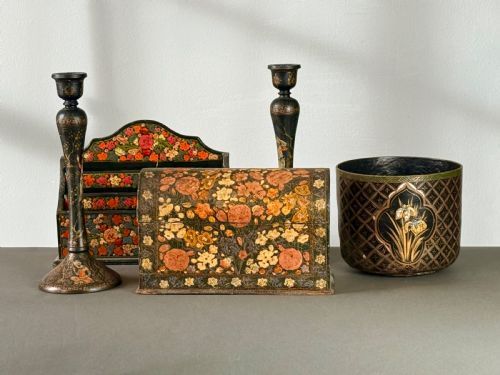
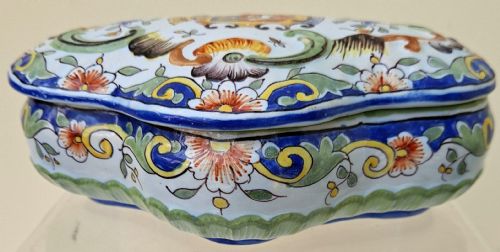
A vintage floral painted box encompasses a broad spectrum of domestic receptacles adorned with botanical motifs, ranging from small trinket containers to large marriage chests. When searching for a vintage floral painted box, buyers encounter items produced across the nineteenth and early twentieth centuries, as well as Georgian and Regency examples.
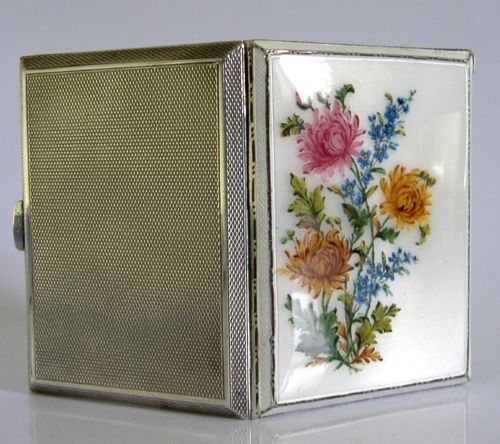
The assortment includes regional European folk art forms like Hungarian coffer boxes and Scandinavian storage chests alongside global pieces such as Chinese Export leather trunks and Indian containers. Smaller formats like card boxes, reel boxes, and snuff boxes appear frequently alongside larger trunks and coal scuttles.
Most examples rely on wooden foundations, principally pine and oak, though leather, papier-mâché, metal, and lacquer also provide the structural body for these painted designs. The floral decoration bridges formal Chinoiserie and vernacular folk painting traditions.
Materials and Construction
Makers utilised solid timbers such as pine and oak for foundational carcases, often reinforcing larger trunks with iron and brass fixtures, hinges, and bindings. Leather and papier-mâché served as alternative bodies, particularly for portable items like hat boxes and snuff containers.
Surface ornamentation relied on applied pigments and paints directly onto wood, leather, or lacquer grounds. Artisans employed regional folk techniques, Chinese export methods, and European lacquer work to seal and protect the painted botanical scenes.
Vintage Floral Painted Box Retail Price Guide 2026
Typical asking prices for vintage floral painted box among the pieces listed under this phrase on Sellingantiques today, from the lower quarter to the upper quarter. They describe what is for sale here now, not the wider market.
Object forms range widely from tiny snuff boxes and cigarette cases up to large marriage chests and coal scuttles.
Assessing Quality
The distinction between standard utility items and superior examples lies in the finesse of the brushwork and the preservation of the original painted surface. Untouched, early pigment layers display a depth and integration with the substrate that later touch-ups simply lack.
Construction integrity dictates value just as much as decoration, separating sturdy dovetail-joined coffers and brass-bound trunks from fragile containers. The sophistication of the regional style, whether restrained Swedish folk art or ornate Qajar lacquer, governs the desirability of the piece.
The Vintage Floral Painted Box Glossary
- Folk Art
- Objects created within a specific regional tradition, often by self-taught makers using local materials and vernacular motifs.
- Chinoiserie
- European artistic style reflecting Chinese aesthetic influences, frequently utilised on lacquer and painted wooden boxes.
- Toleware
- Painted or enamelled metalware items, often domestic receptacles decorated with floral patterns.
- Marriage Chest
- Large trunk or coffer traditionally commissioned or decorated to mark a wedding and store household linens.
- Camphor-wood
- Fragile yet durable timber utilised in export trunks to protect contents from insects.
Vintage Floral Painted Box: Frequently Asked Questions
What were painted boxes used for?
These containers served multiple domestic purposes depending on their scale, ranging from holding sewing accessories and letters to storing valuables and marriage linens.
Larger chests accommodated heavy textiles and clothing, while smaller boxes organised desk accessories, cards, and trinkets.
How do I care for a painted wooden box?
Keep wooden and painted surfaces away from direct sunlight and dramatic fluctuations in temperature to prevent the pigments from fading or the wood from splitting.
Dust gently with a dry, soft cloth and avoid chemical polishes that can degrade historical paint layers.
Are these boxes original or reproduction?
The listings comprise authentic period items dating from the Georgian, Victorian, and early twentieth-century eras, showing genuine age in the materials and pigments.
Examination of the construction methods, wear patterns, and underlying timber helps confirm the historical provenance of each piece.
What regions produced these painted boxes?
Production spanned across Europe and beyond, with distinct contributions from Scandinavian countries, Hungary, Britain, France, and China.
Each region applied its own characteristic palette, floral vocabulary, and structural joinery to the items.