







Vintage Floral Enamel Vessel
These vintage floral enamel vessel pieces bring vibrant botanical detail and metalwork skill into a room, spanning Asian and European traditions.
Vintage Floral Enamel Vessel
A vintage floral enamel vessel encompasses vases, ginger jars, incense burners, and table lamps adorned with plant motifs. When searching for a vintage floral enamel vessel, buyers encounter pieces ranging from nineteenth-century Chinese cloisonné to twentieth-century European glass.
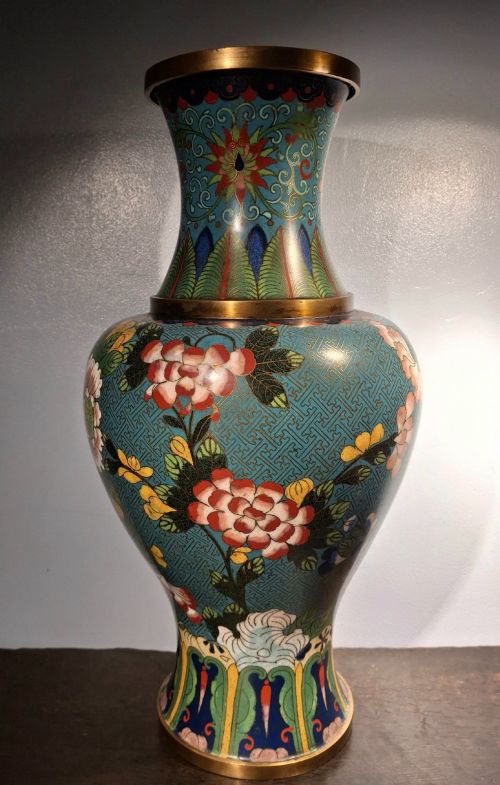
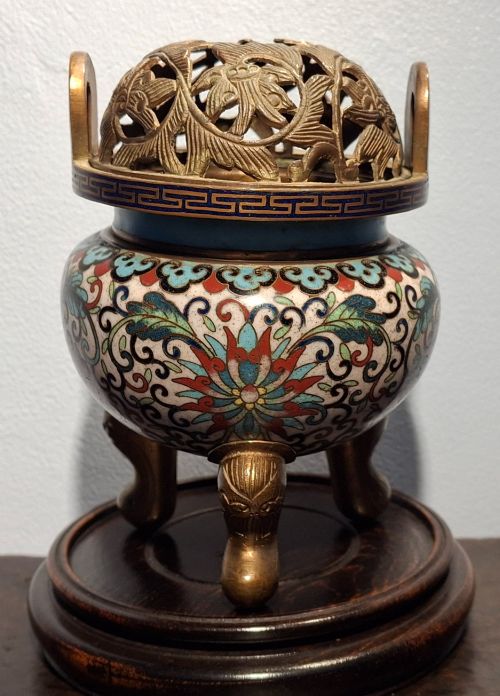
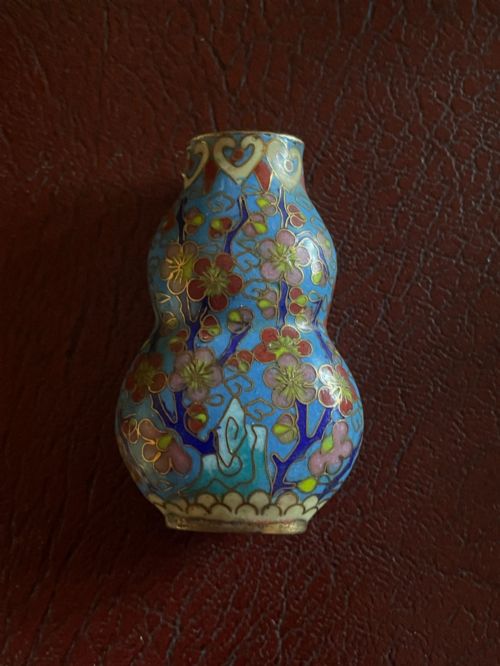
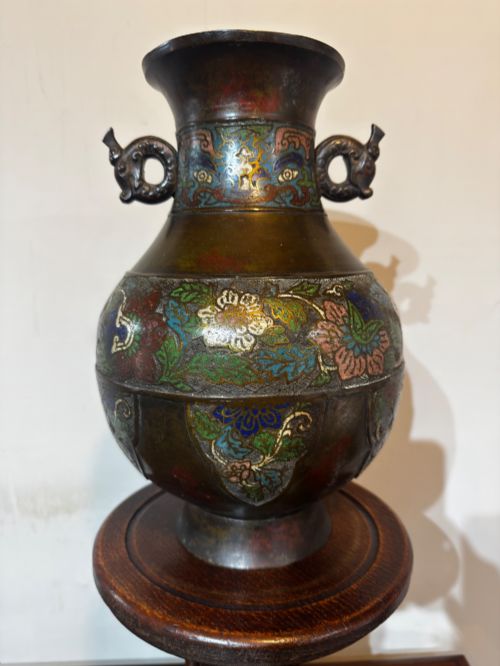
The form most frequently met on this page is the Asian cloisonné vase or lidded ginger jar decorated with flowers, birds, and geometric borders. These metal vessels rely on wirework cells filled with coloured glass paste before firing and polishing.
Makers across China, Japan, and Europe shaped these objects from copper, brass, bronze, and glass. The resulting containers served decorative and ritual functions in interiors from the Victorian era onward.
Materials and construction methods
Metalwork foundations of copper, brass, and bronze provide the rigid skeleton for cloisonné and champlevé pieces. Artisans soldered thin metal wires onto the surface to outline the floral patterns, creating individual cells for the coloured enamel paste.
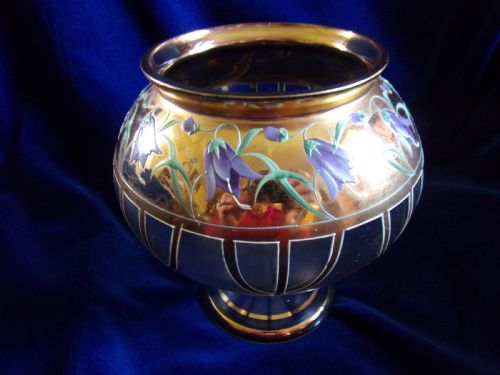
Glass vessels utilise painted or enamelled floral decoration applied directly to opaque, uranium, or blown glass bodies. Firing fuses the vitreous enamel to the metal or glass substrate, requiring precise temperature control to prevent cracking or discoloration.
Gilding and gold leaf often accent the rims, bases, and wire outlines of Asian and European pieces alike. Final polishing creates a smooth, lustrous finish across the entire decorated surface.
Vintage Floral Enamel Vessel Retail Price Guide 2026
Typical asking prices for vintage floral enamel vessel among the pieces listed under this phrase on Sellingantiques today, from the lower quarter to the upper quarter. They describe what is for sale here now, not the wider market.
Some nineteenth-century ginger jars spent decades hiding on mantelpieces before anyone realised they were actually miniature botanical art galleries.
Distinctions in quality
The precision and fineness of the wirework separate standard production from superior craftsmanship. Tightly packed cells with intricate floral detailing require greater manual dexterity than wide, simple partitions.
The depth, clarity, and polish of the enamel surface dictate visual success. Superior pieces display a smooth, even gloss without pitting or cloudiness in the coloured glass pastes.
The weight and substantial nature of the underlying metal body, whether bronze, copper, or brass, indicate the structural integrity of the vessel. Heavier specimens often demonstrate more robust construction and careful finishing at the base and rim.
Karl Palda·Tamura Yukio·Royal Doulton Lambeth
The Vintage Floral Enamel Vessel Glossary
- Cloisonne enamel
- A metalwork technique where fine wires are soldered to a base to form compartments filled with enamel paste. This method produces intricate patterns defined by delicate metal lines.
- Champleve enamel
- A technique where troughs or cells are carved directly into the metal surface and filled with enamel before firing. It creates a bold design with heavier metal borders than standard wirework.
- Ginbari
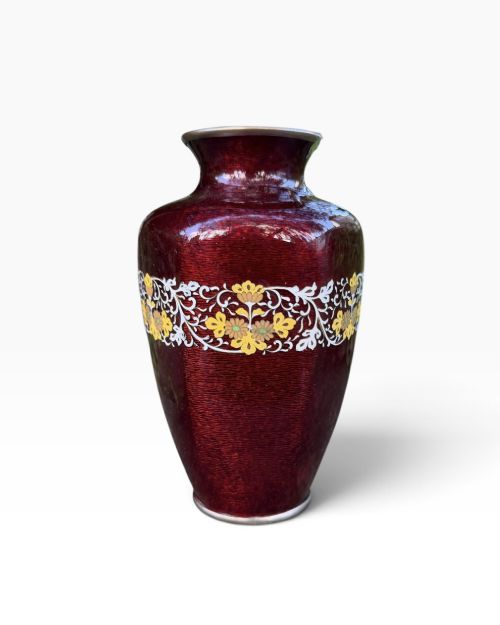
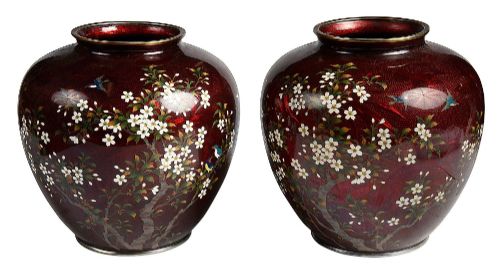
- A Japanese enamelling technique featuring a textured foil background beneath translucent enamel. This process adds a shimmering, three-dimensional depth to floral motifs.
- Ginger jar
- A ceramic or metal vessel with a wide body and domed lid, originally used for spices. These containers became popular decorative forms in nineteenth and twentieth-century interiors.
- Jardiniere
- A large ornamental pot or bowl designed to hold growing plants or floral arrangements. They appear in metal and ceramic variations with surface enamelling.
Vintage Floral Enamel Vessel: Frequently Asked Questions
What is cloisonne enamel?
Cloisonné is a decorative metalwork technique where thin wires form small compartments on a vessel body. These cells are filled with coloured glass paste and fired.
After firing, the surface is ground smooth and polished to create a continuous design of metal lines and vibrant colours.
How do I date these vessels?
Dating relies on stylistic clues, materials, and manufacturing marks associated with specific periods like the Meiji or Taisho eras. Asian pieces often correspond to imperial dynasties or reign periods.
European glass and stoneware items frequently feature patent names, maker stamps, or distinct Art Nouveau and Art Deco design characteristics.
Were these vessels used for flowers?
Many forms, such as tall vases and jardinières, held fresh botanical arrangements or growing plants. Lidded ginger jars and incense burners served ornamental or ritual storage purposes rather than holding water.
Over time, several larger pieces were converted into table lamps while retaining their original enamel bodies.
How do I clean an enamel vessel?
Cleaning requires a soft, dry cloth to remove dust from the metal wires and enamel surfaces. Avoid harsh chemical cleaners or abrasive materials that can scratch the glass paste or strip gilt accents.
If moisture is necessary, a damp cloth followed immediately by thorough drying protects the underlying copper, brass, or bronze from tarnishing.