




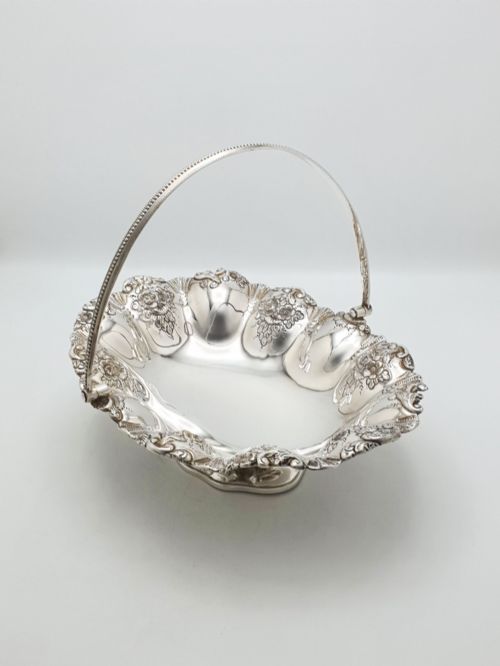


Vintage Floral Centerpiece
A vintage floral centrepiece anchors a room with botanical form and period presence, bringing decorative bowls, vases, and baskets to the table.
Vintage Floral Centerpiece
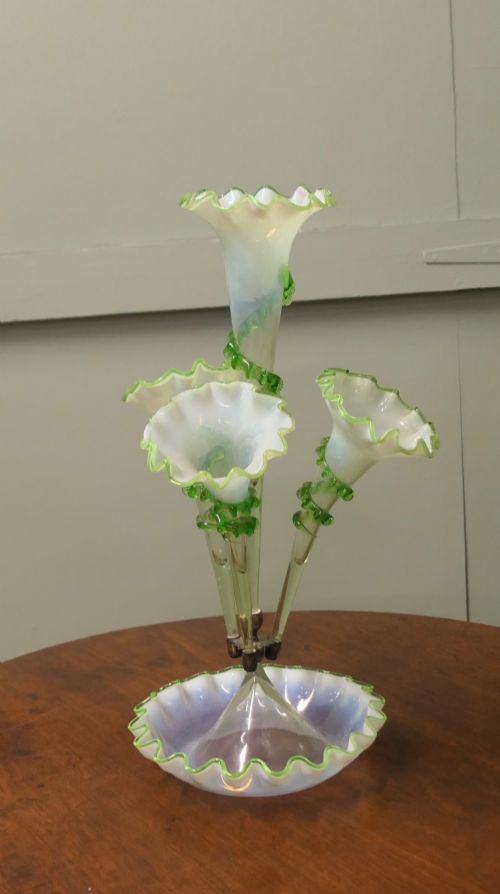
When searching for a vintage floral centrepiece, buyers encounter an array of decorative vessels designed to hold flowers or stand alone as table ornaments. The selections span periods from the nineteenth century through the early decades of the twentieth century, including Victorian and Edwardian examples.
The forms encompass pedestal bowls, comports, jardinieres, and baskets created across multiple regions. Continental European porcelains, English ironstones, and Asian ceramics feature prominently among the available decorative bowls and vases.
Makers and manufacturers utilised various artistic idioms, ranging from Rococo Revival and Art Nouveau curves to clean Art Deco silhouettes. These objects served as focal points for dining tables and sideboards in period interiors.
Materials and Techniques
Ceramic bodies such as porcelain and ironstone form the foundation of many pieces, shaped into bowls and vessels then finished with glaze, enamel, or hand-painted details. Makers applied techniques like transfer printing, gilding, and applied porcelain flowers to achieve botanical motifs.
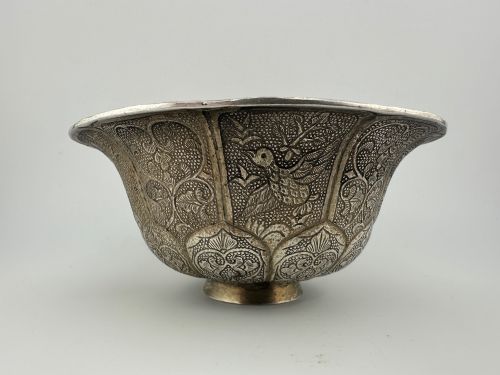
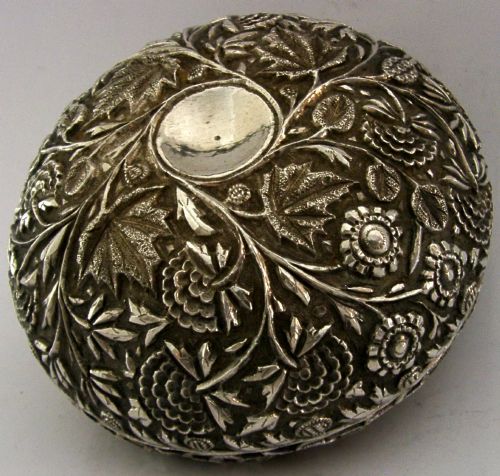
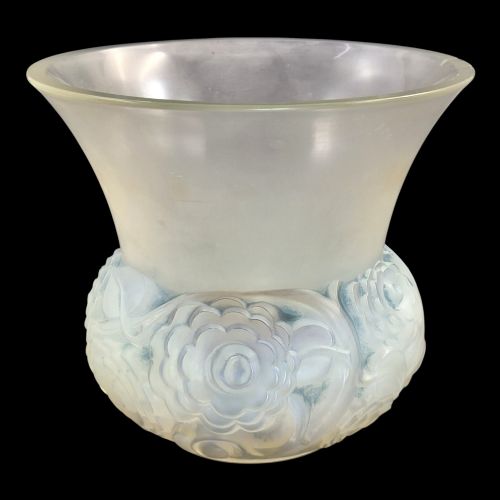
Glass production utilised etching, cutting, and opalescent moulding to create translucent vessels with floral patterns. Metalwork pieces incorporate silver plating, white metal, and gilt bronze mounts paired with repoussé rims or cloisonné enamel decoration.
Vintage Floral Centerpiece Retail Price Guide 2026
Typical asking prices for vintage floral centerpiece among the pieces listed under this phrase on Sellingantiques today, from the lower quarter to the upper quarter. They describe what is for sale here now, not the wider market.
Porcelain putti cling persistently to flower-stwn porcelain branches, seemingly determined to garden despite lacking proper tools.
Distinctions in Quality
Execution of detail separates standard production from superior examples in these categories. Hand-painted botanical studies, crisp moulded elements like applied roses and putti, and finely chased metal mounts indicate higher workshop standards.
Material substance and finish integrity define the upper tier of the range. Weight in metalwork, depth of etch in glass, and purity of glaze on porcelain distinguish pieces created by skilled artisans.
Rene Lalique·Plaue Schierholz·Royal Worcester·Meissen·Mason·Orivit·Maling·Samson
The Vintage Floral Centerpiece Glossary
- Centrepiece
- A large decorative vessel or ornament placed in the middle of a dining table. These objects often take the form of pedestal bowls, epergnes, or figural compositions.
- Comport
- A raised dish or bowl on a foot, traditionally used for serving fruit or sweets. They appear frequently in ironstone and porcelain.
- Repoussé
- Metalworking technique where the artisan hammers the design from the reverse side to form a raised pattern in relief. This finish frequently decorates silver-plated rims and baskets.
- Opalescent glass
- Glass containing ingredients that cause it to milky-blue scatter light, creating a pearlescent glow. Makers like Lalique utilised this effect for floral bowls and vases.
- Cloisonné
- Enamelwork technique where thin metal wires form compartments on a metal base before filling with vitreous paste. Japanese and Chinese vessels frequently employ this method for bird and botanical motifs.
Vintage Floral Centerpiece: Frequently Asked Questions
How were centrepieces used?
These vessels stood in the middle of dining tables, often filled with fresh flowers, fruit, or sweetmeats during formal meals. Elaborate porcelain groups and epergnes added vertical interest to table settings.
Outside of dining hours, they remained on display on sideboards, buffets, and console tables as ornamental works of art.
How do I style a centrepiece at home?
Place a pedestal bowl or basket on a dining table or wooden sideboard where its form can be appreciated from all angles. Match the scale of the vessel to the surrounding furniture.
Fill ceramic bowls with seasonal fruit or dried botanicals, while glass vases and tazzas look striking when left empty to catch the light.
How do I date a Victorian ceramic bowl?
Dating relies on maker marks, stylistic clues, and manufacturing techniques recorded on the base or body of the piece. Victorian items often feature registry marks or specific transfer-printed factory stamps.
Stylistic indicators such as Rococo Revival curves or hand-painted aesthetic movement motifs also help narrow the period of production.