



Vintage Floral Box
When you handle a vintage floral box, you are holding a piece of domestic history painted, carved or inlaid with blooms that outlasted the hands that made them.
Vintage Floral Box
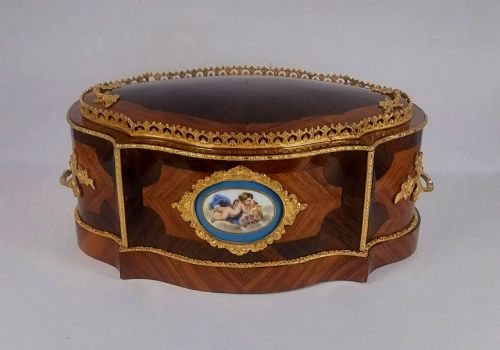
A vintage floral box gathers small storage forms like tea caddies, trinket cases and larger coffers carrying botanical decoration. The selection spans periods from the Georgian era through the nineteenth century and into Edwardian and later decades.
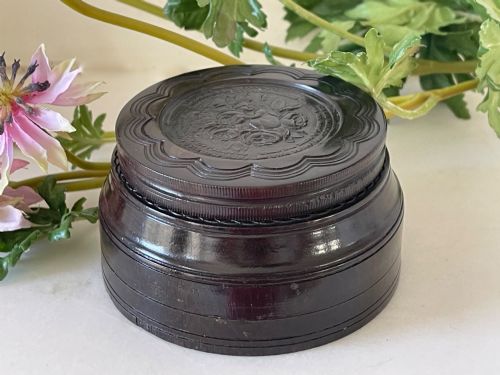
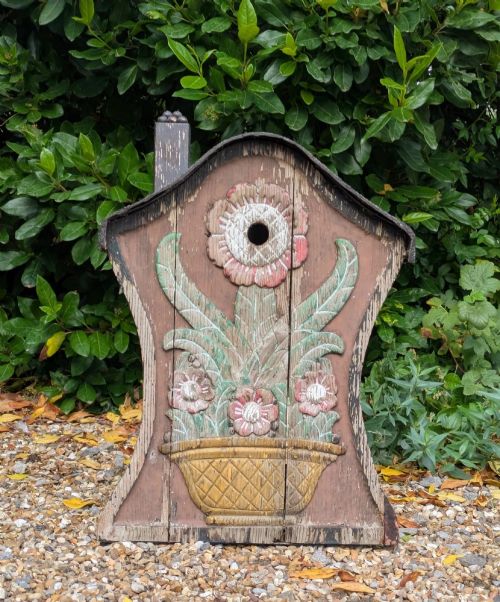
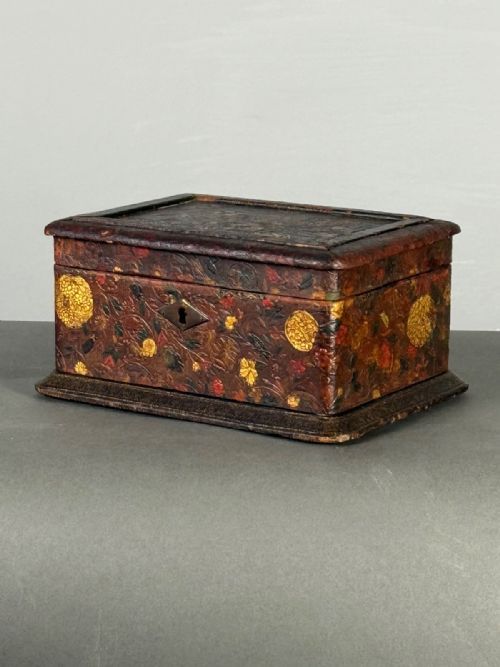
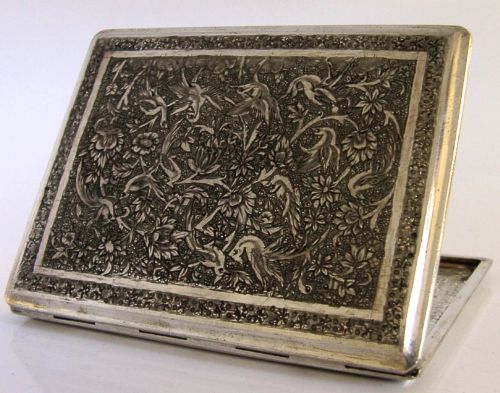
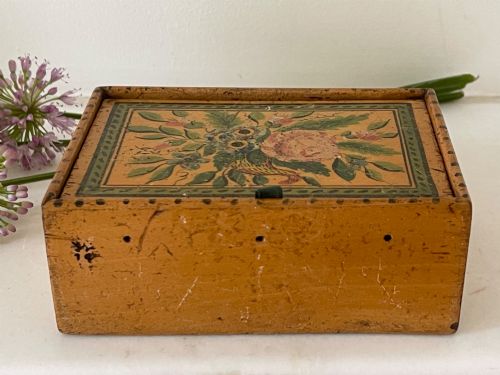
You will encounter painted pine pieces from Scandinavian and Hungarian folk traditions alongside polished rosewood, lacquer, leather and silver vessels. These objects served to hold tea, letters, trinkets or personal keepsakes in period homes.
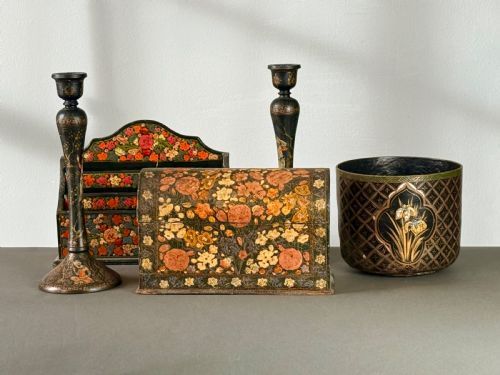
The decorative schemes range from naive folk art flora to precise botanical engravings and hand-painted Chinese export motifs. Each container reflects the domestic tastes and craft methods of its specific century of origin.
How they were made
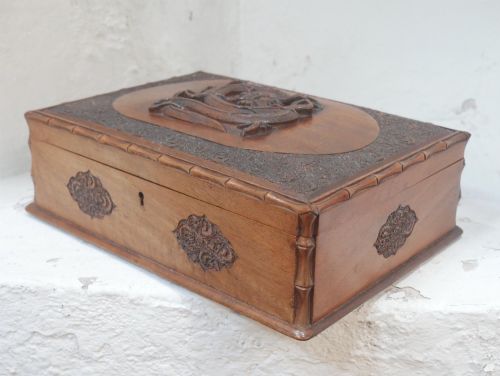
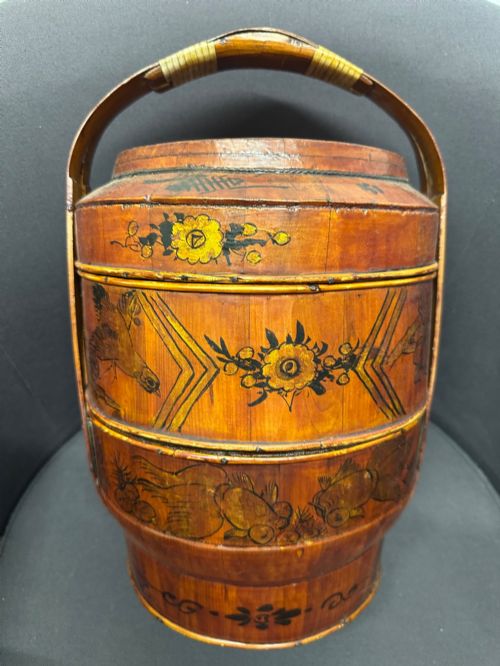
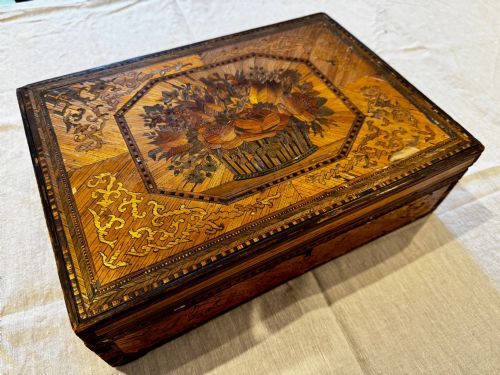
Makers constructed the wooden carcasses of these boxes from pine, mahogany, camphor-wood or bamboo, often applying paint directly to the timber. Applied decoration involved hand-brushing pigments, tooling leather, or inlaying mother of pearl and marquetry woods.
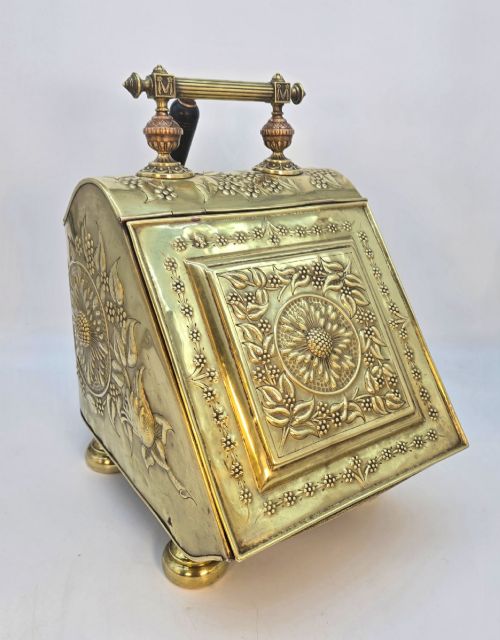
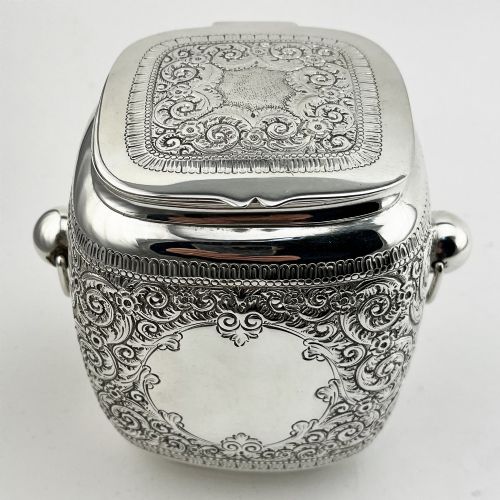
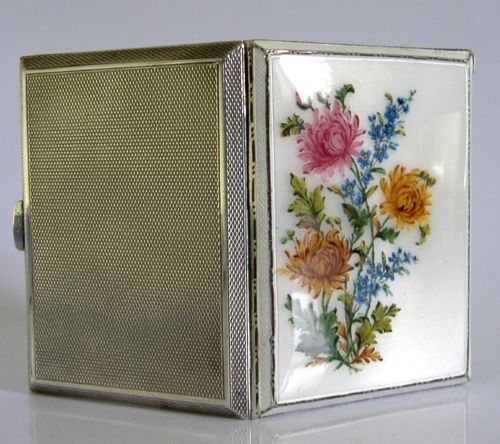
Metal vessels utilised sterling silver, copper, bronze and brass, shaped through casting, engine-turning, piercing and engraving. Surface finishes relied on traditional lacquer, enamel work and polychrome pigments to render the floral details permanent.
Vintage Floral Box Retail Price Guide 2026
Typical asking prices for vintage floral box among the pieces listed under this phrase on Sellingantiques today, from the lower quarter to the upper quarter. They describe what is for sale here now, not the wider market.
Materials span paint, wood, brass, pine, lacquer, iron, sterling silver and leather.
What varies in quality
The distinction between ordinary and exceptional pieces lies in the crispness of the hand-painted floral execution and the integration of the ornament with the form. Finer examples show deliberate placement of motifs and skilful handling of pigments on wood, metal or lacquer.
Structural integrity and the survival of original surface finishes dictate desirability among collectors. Boxes retaining unblemished hardware, working hinges and undisturbed patination represent the pinnacle of their respective periods.
Susse Freres Paris·Martin Hall And Co·A And J Zimmerman Ltd·S Theeman
The Vintage Floral Box Glossary
- Tea caddy
- A box or container originally made to store dry tea leaves securely under lock and key. These vessels often featured interior compartments and fine wood veneers.
- Tunbridge ware
- A distinct type of woodwork characterised by mosaic tile patterns formed from tiny pieces of naturally coloured woods. Makers assembled these segments to create detailed pictorial designs on small boxes.
- Folk art
- Utilitarian objects created by self-taught or rural artisans using local materials and traditional methods. These pieces often display charming, unpretentious painted floral decorations.
- Engine turned
- A mechanical method of engraving precise geometric patterns onto metal surfaces using a specialised lathe. This technique created uniform decorative textures on snuff boxes and cigarette cases.
- Camphor-wood
- An aromatic timber frequently utilised for export trunks and chests to protect stored textiles from insects. The wood carries a distinctive scent and accepts brass bindings and painted decoration.
Vintage Floral Box: Frequently Asked Questions
What were tea caddies used for?
Tea was an expensive commodity in Georgian and Victorian households, requiring dedicated storage to deter theft by domestic staff. These boxes kept the precious leaves dry, aromatic and locked away until the master or mistress dispensed them.
Many examples included internal lidded canisters and mixing bowls cut from glass. Their compact forms sat proudly in the parlour or dining room as symbols of refined hospitality.
How do I identify folk art boxes?
Folk art boxes generally display naive, direct painting executed by regional makers rather than trained urban workshops. They utilise accessible woods like pine and feature vibrant, unpretentious floral motifs.
These pieces often originate from Scandinavian or Eastern European traditions. Their charm stems from the individual hand of the maker and the honest utility of the construction.
What is straw-work?
Straw-work involves flattening and smoothing natural cereal straws to create intricate geometric or pictorial mosaics applied to wooden box surfaces. Prisoners of war and rural craftspeople produced these delicate decorative objects.
The glossy, light-reflecting quality of the straw mimics fine marquetry at a fraction of the material cost. Surviving examples require careful environmental control to preserve the fragile surface.
How do I date silver trinket boxes?
Silver trinket boxes and cigarette cases carry hallmarks stamped into the metal that reveal the assay office, the maker's mark and the exact year of production. These official stamps provide a reliable chronological anchor.
Stylistic shifts also help, moving from ornate Victorian floral scrolls to cleaner Edwardian lines and later Art Nouveau curves. Comparing the engraved decoration with known period designs clarifies the timeline.