

Vintage Floor Lighting
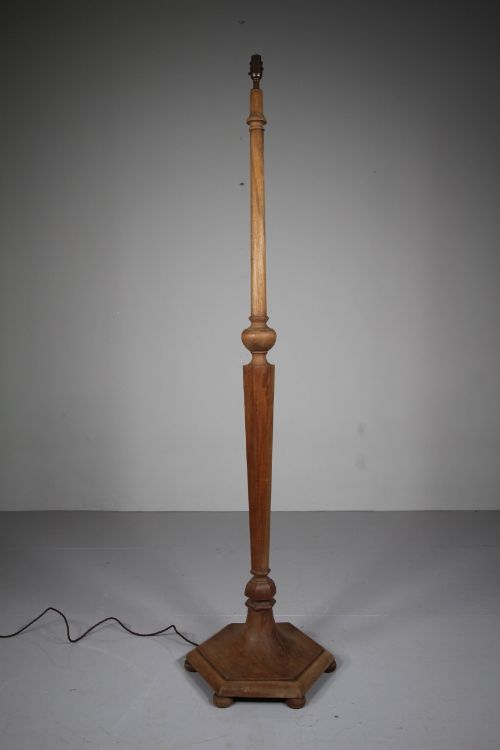
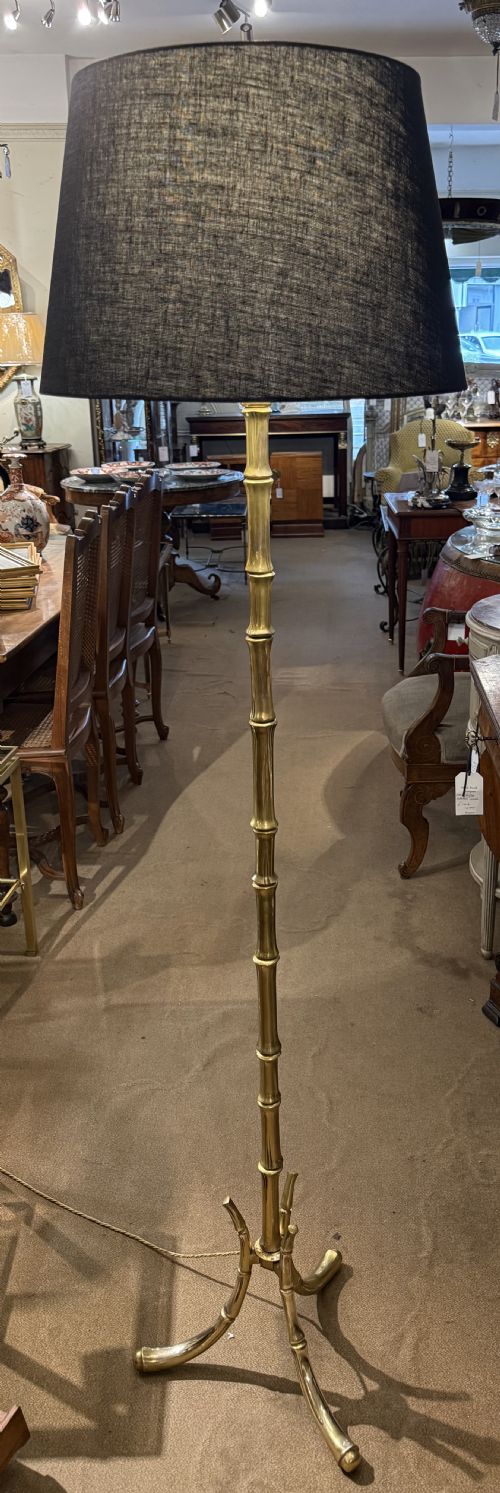
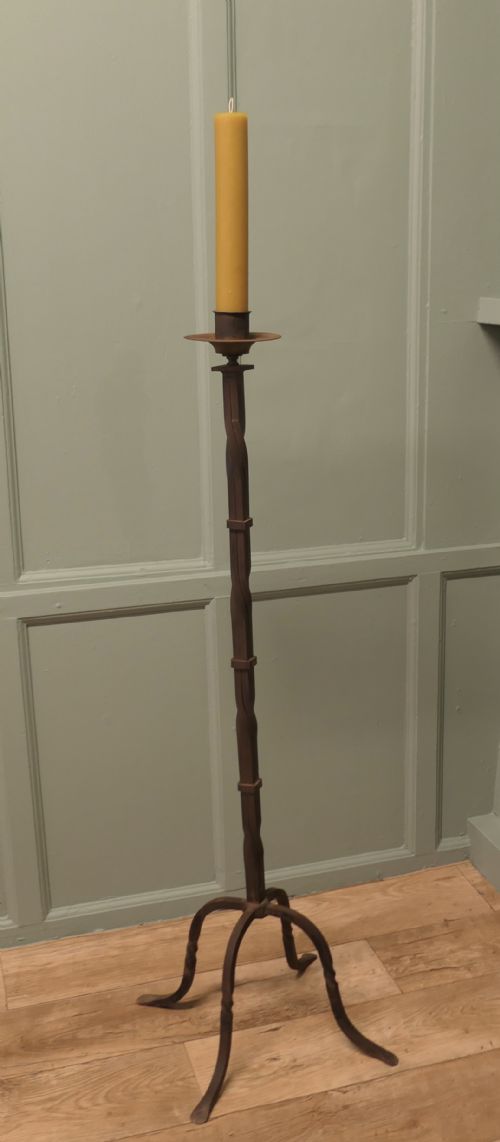
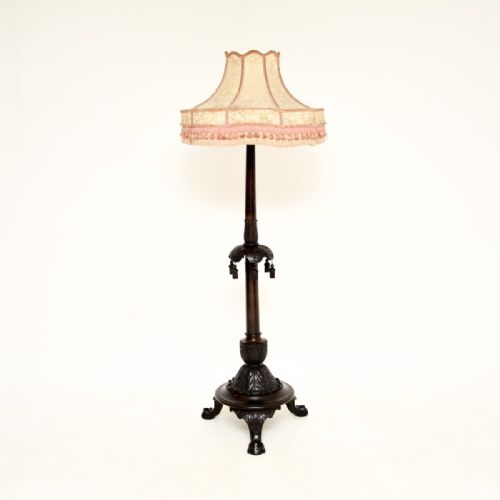
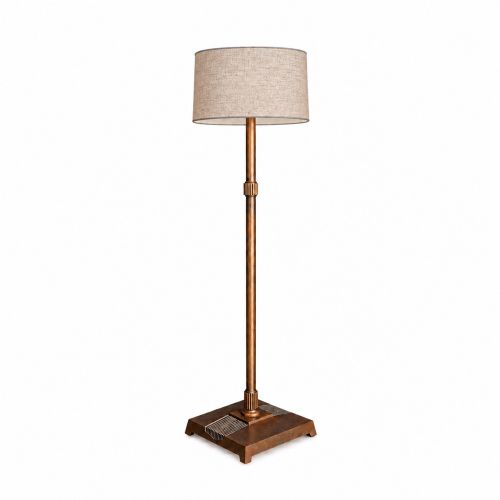
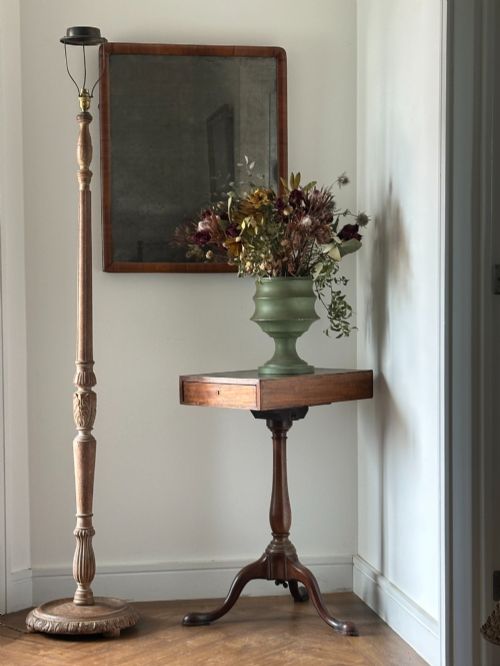
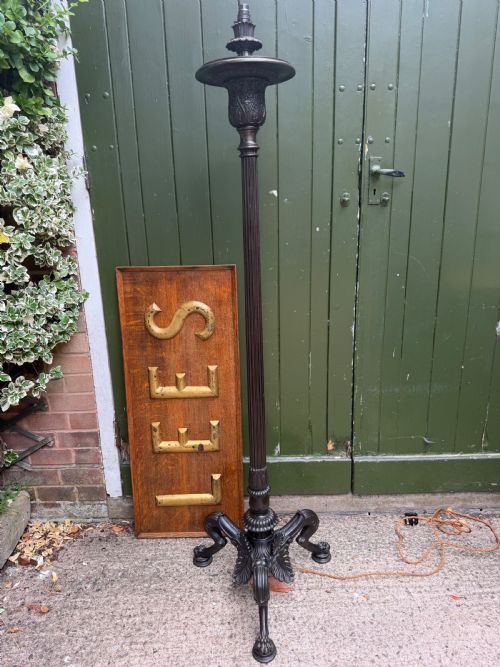
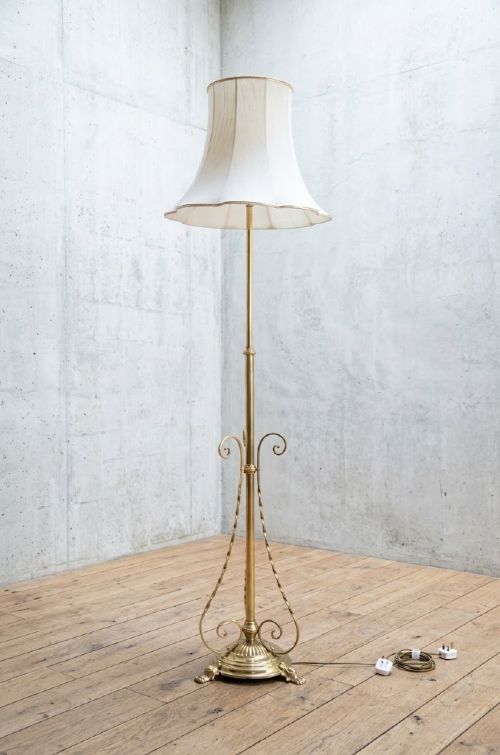
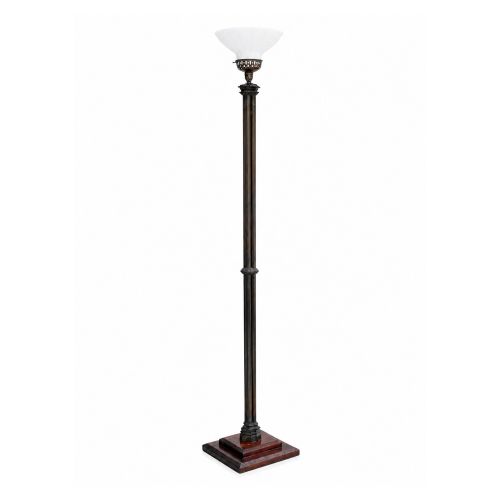
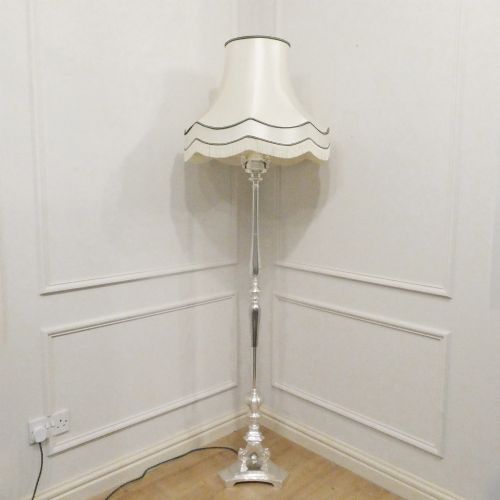
These vintage floor lighting pieces bring character and height to a room, offering everything from heavy brass oil standards to carved timber torchieres.
Vintage Floor Lighting
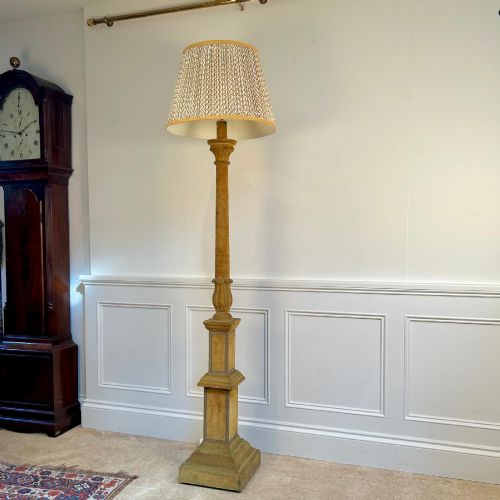
When you search for vintage floor lighting, you encounter tall functional fittings designed to illuminate a room from standing height without relying on ceiling fixtures. These range from heavy Victorian brass oil lamps and adjustable metal task standards to decorative timber pedestals and lacquer columns.
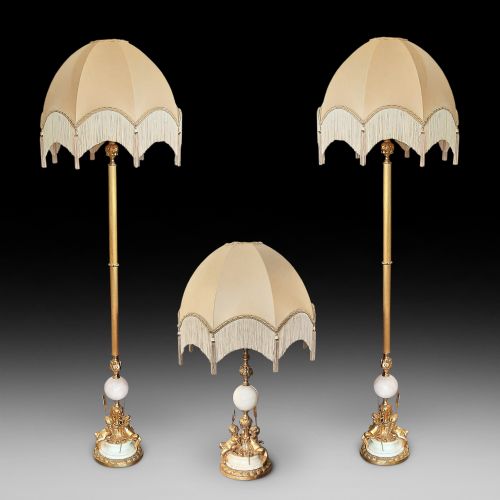
The versions most common on this page span the late nineteenth century through to the interwar decades, taking forms such as standard lamps, torchieres, and multi-arm candle stands. Materials shift from cast iron and carved mahogany to patinated bronze, oak, and fabric-shaded designs.
Origins vary from English workshops and Scottish studios to continental European makers, incorporating styles like Art Deco, Edwardian Chinoiserie, and Gothic Revival. Each piece reflects the interior habits of its period, whether built for reading beside an armchair or lighting a formal hallway.
How vintage floor lighting was made
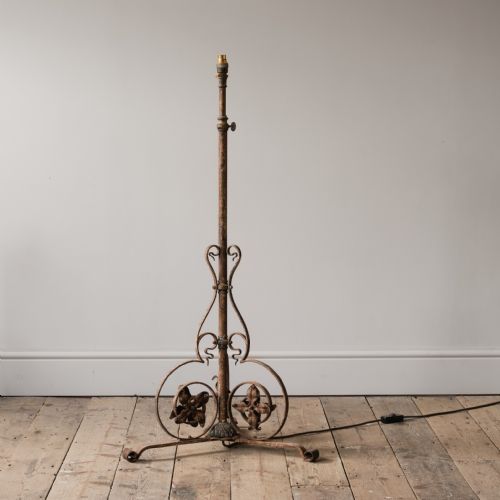
Makers utilised durable hardwoods like walnut, mahogany, and oak, often turning them on lathes to create slender columns or carving them with period motifs. Metal standards relied on brass, cast iron, bronze, and copper, shaped through casting, smithing, and polishing.
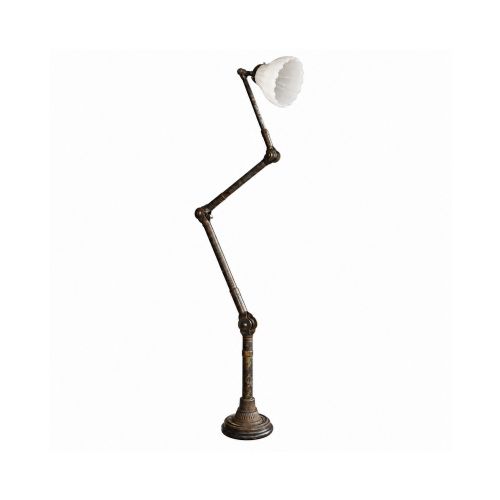
Many structural examples incorporate adjustable mechanisms, allowing height alteration or pivoting arms for directional light. Finishes ranged from gilt and silver plating to hand-applied Chinoiserie lacquer and patinated patinas.
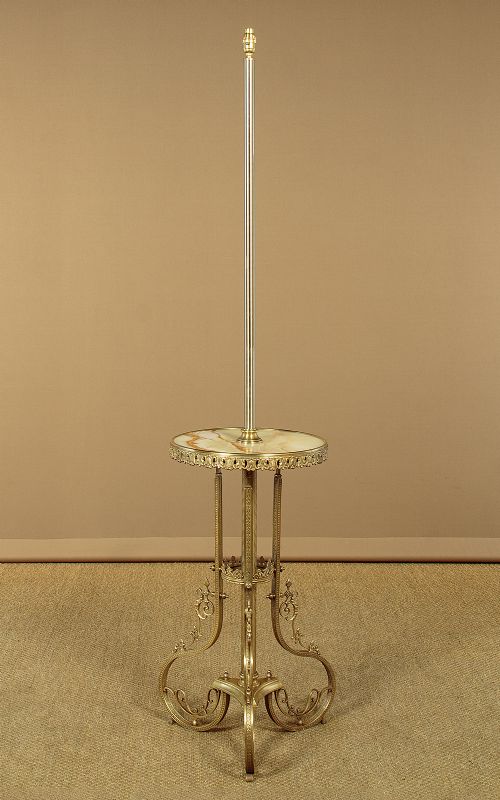
Electrical conversion is common among older pieces that originally burned oil or candles, with wiring routed through hollow stems to modern plugs. Combination pieces frequently integrated small timber wine tables or marble surfaces directly into the standing shaft.
Listings span periods from the nineteenth century through the 1930s, featuring walnut, oak, brass, and wrought iron.
What varies in quality
The distinction between ordinary and exceptional standards lies in the integrity of the materials and the precision of the turning or casting. Heavy cast brass bases and solid hardwoods provide stability, whereas lighter metals and thin veneers lack proper weight at the floor.
Originality of components, from oil fonts to weighted bases, dictates historical worth. Altered heights or mismatched replacement parts diminish the coherence of the piece.
Heals·Maison Bagues·WMF·Hinks of B'ham·Dugdill
The Vintage Floor Lighting Glossary
- Standard lamp
- A tall freestanding floor lamp designed to hold a lightbulb and shade, often placed beside seating.
- Torchere
- An ornamental standing pedestal or tall candle holder, frequently adapted to hold electric lighting.
- Bouillotte lamp
- A traditional adjustable lamp featuring multiple candle arms beneath a central shade.
- Chinoiserie
- A European decorative style reflecting Chinese artistic influences, characterised by hand-painted lacquer and motifs.
- Dugdill lamp
- An industrial articulated metal task light engineered with adjustable joints and metal shades.
Vintage Floor Lighting: Frequently Asked Questions
What is a standard lamp?
A standard lamp is simply the traditional British term for a tall floor lamp designed to stand independently in a room.
These pieces typically feature a heavy base, a vertical timber or metal shaft, and a fitting at the top for a bulb and shade.
How do I date a floor lamp?
Dating relies on combining the material, the manufacturing technique, and the stylistic cues of the period. For instance, heavy cast brass and oil reservoirs point to the Victorian era, while geometric forms and slick metals suggest Art Deco.
Hardware details, such as screw types and switch mechanisms, also help confirm the manufacturing era.
Can I use modern lamp shades?
Most vintage standards accept contemporary lamp shades provided the shade carrier matches the fitting type. You simply need to check the harp or shade ring diameter to ensure a secure fit.
Proportions matter most when pairing a shade with an older base to maintain visual balance.
Were these originally electric?
Many older pieces started life as oil lamps or candle stands before being converted to electricity during the twentieth century. This conversion process usually involved running wire through the central column.
Retained oil fonts and burners often remain visible on Victorian brass standards even after electrification.