





Vintage Floor Candle Stand
These vintage floor candle stand designs bring architectural height and warm illumination to a room, spanning periods from the Regency era to Art Deco.
Vintage Floor Candle Stand
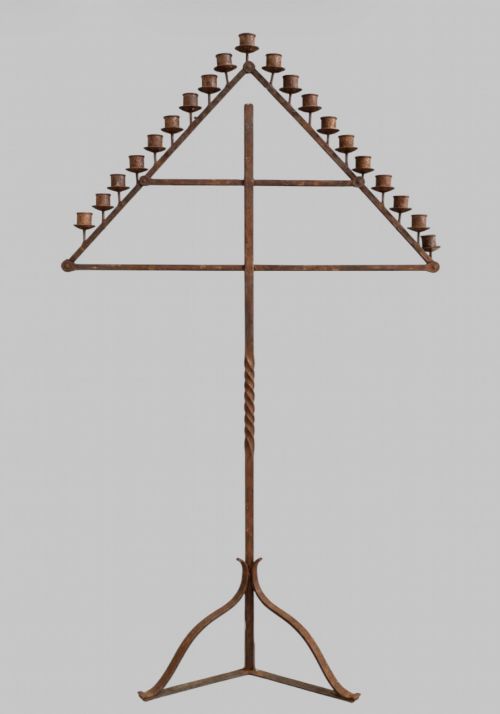
A vintage floor candle stand provides elevated illumination and dramatic vertical presence within a room. When exploring this selection, buyers encounter forms ranging from heavy wrought iron candlesticks to carved wooden torcheres.
The objects on this page draw from periods including the 19th century, Victorian era, Regency, 1880, 1900, 1920, and 1930. Surviving examples often take the shape of floor candlesticks, multi-candle candelabra, church candle holders, and torcheres.
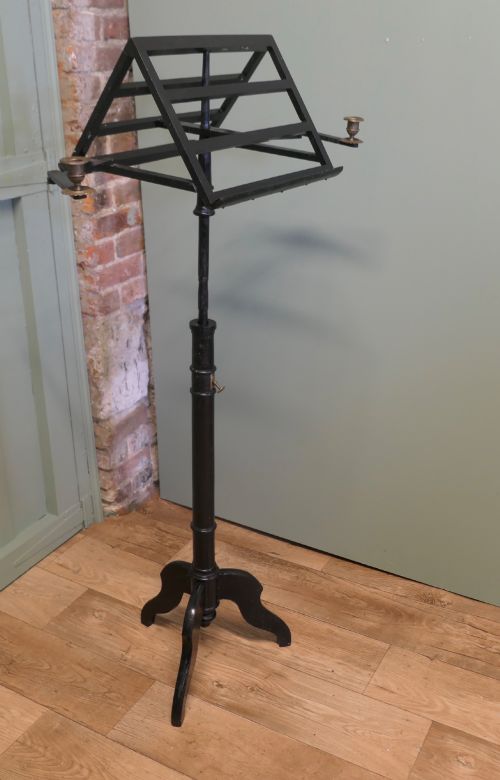
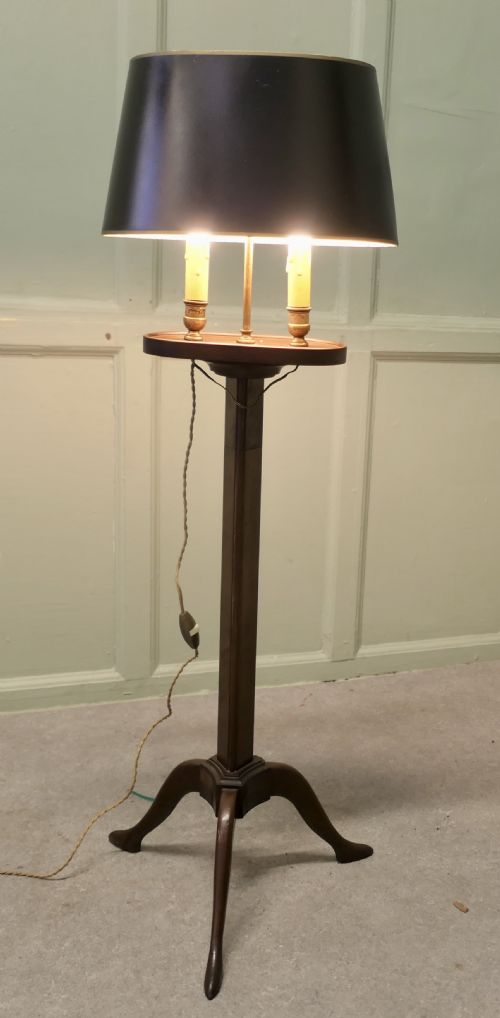
Makers and craftsmen applied diverse regional aesthetics, producing items aligned with Gothic Revival, Arts and Crafts, French Napoleon III, Art Deco, Florentine Baroque, and Victorian Neoclassical styles. Certain pieces fulfil dual purposes, functioning as adjustable music stands, reading stands, or converted lamp tables.
Materials and construction
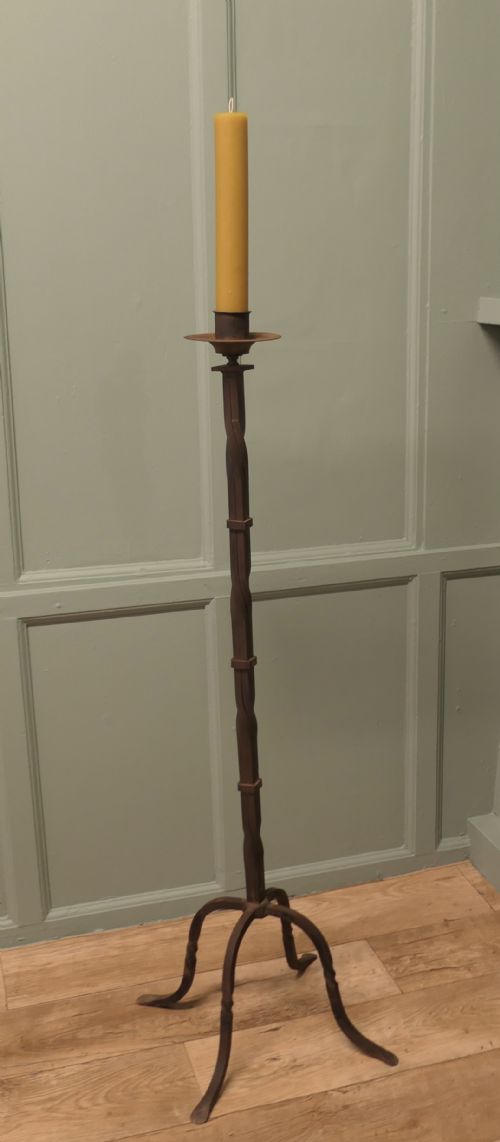
Constructed from durable metals like brass, wrought iron, and painted metal, these stands rely on robust blacksmithing and foundry techniques. Iron elements are frequently hand-forged, while brass components demonstrate precision casting and turning.
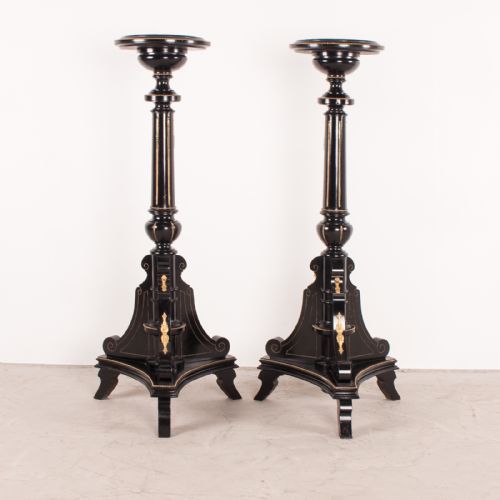
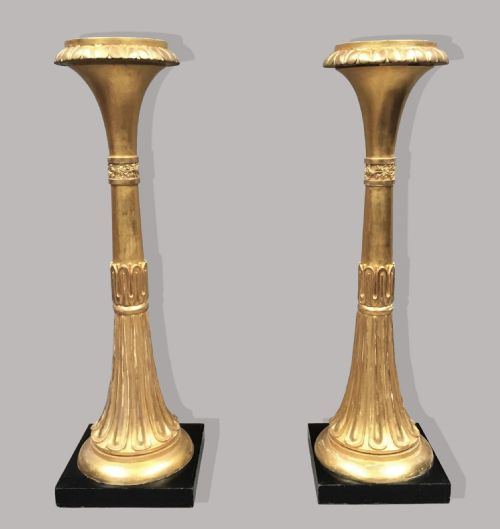
Wooden examples utilise mahogany, carved wood, ebonised wood, gesso, and giltwood. Artisans shaped these organic materials through hand-carving, joining, and decorative surface finishes, including gilding and painted detailing.
Vintage Floor Candle Stand Retail Price Guide 2026
Typical asking prices for vintage floor candle stand among the pieces listed under this phrase on Sellingantiques today, from the lower quarter to the upper quarter. They describe what is for sale here now, not the wider market.
The selection includes versatile hybrid forms, such as music stands and cheval mirrors equipped with integrated candle holders.
Distinctions in quality
Quality rests in the integrity of the materials and the crispness of the hand-carved or forged details. Superior items exhibit substantial weight, balanced proportions, and expert execution in decorative elements such as Corinthian columns or gilded surfaces.
The refinement of the adjustment mechanisms on tall or telescopic stands indicates higher workshop standards. Original surface patinas and intact decorative treatments separate exceptional examples from heavily altered pieces.
The Vintage Floor Candle Stand Glossary
- Torchere
- A tall stand designed to support a light source, typically featuring a slender shaft resting on a stable base. These pieces often occupy corners or flanking positions in large rooms.
- Candelabrum
- A multi-branched candle holder intended for standing on the floor or a table. Architectural versions provide significant visual weight and multiple points of illumination.
- Gesso
- A plaster-based material applied to wood surfaces to create a smooth ground for gilding or painting. It allows intricate relief ornamentation on decorative stands.
- Ebonised
- Wood treated with a chemical or stain to imitate ebony. This dark finish gained popularity for its dramatic contrast against gilt or brass fittings.
Vintage Floor Candle Stand: Frequently Asked Questions
Can these stands hold real candles safely?
Most historical stands were designed specifically for wax candles, featuring appropriate drip pans or prickets. Ensure the candle diameter matches the holder securely to prevent tilting.
For taller multi-candle stands or those near furnishings, monitoring burning candles closely remains essential. Many owners also utilise high-quality LED alternatives for continuous ambient use.
What is the difference between a torchere and a standard lamp?
A torchere traditionally functions as a tall decorative stand designed to elevate a light source or decorative object. Many historical pieces designed for candles were later adapted for electrical wiring.
A standard lamp generally refers to an upright floor lamp built specifically for electrical illumination. Both types share a tall vertical format intended to light a space from above table level.
How do I care for brass and iron candle stands?
Metal stands require minimal intervention to preserve their historic appearance. Dust them regularly with a soft, dry cloth and avoid harsh chemical cleaners that strip the original patina.
Wrought iron benefits from a very light application of microcrystalline wax if placed in humid environments. Brass surfaces should be kept free of moisture to prevent oxidation.
How do I identify the period of a wooden candle stand?
Dating relies on observing timber choices, tool marks, and stylistic motifs characteristic of specific eras. For instance, Regency pieces often display classical neoclassical giltwood details, while Arts and Crafts examples show plainer, functional construction.
Examine the joints and fasteners for clues about manufacturing age. Hand-cut components and patinated timber surfaces usually indicate significant historical age.