



Vintage Firescreen
These vintage firescreen examples combine practical hearth protection with decorative artistry, offering period character for the living room.
Vintage Firescreen
A vintage firescreen serves as a decorative shield for the hearth when the fire is unlit, historically designed to protect occupants from excessive radiant heat. The pieces gathered here span several distinct eras, originating from the Regency period through the nineteenth century and into the early twentieth century.
Buyers will encounter various forms on this page, ranging from adjustable folding leaves in mahogany to heavy wrought iron stands supporting stained glass or metal panels. Styles shift across these examples from the ornate flourishes of Rococo Revival and Art Nouveau to the simpler lines of the Arts and Crafts movement.
Materials and construction methods
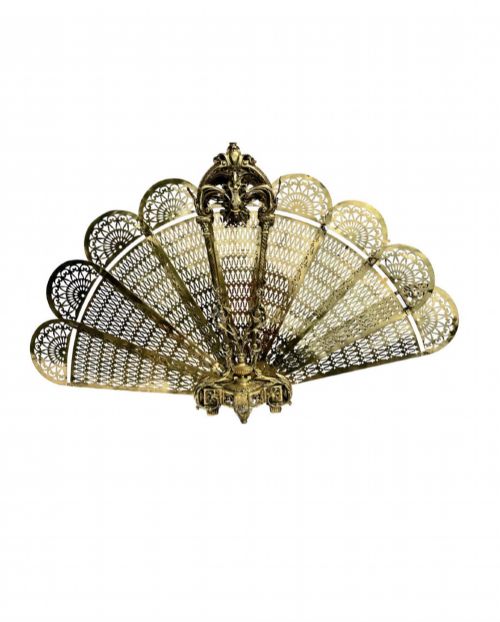
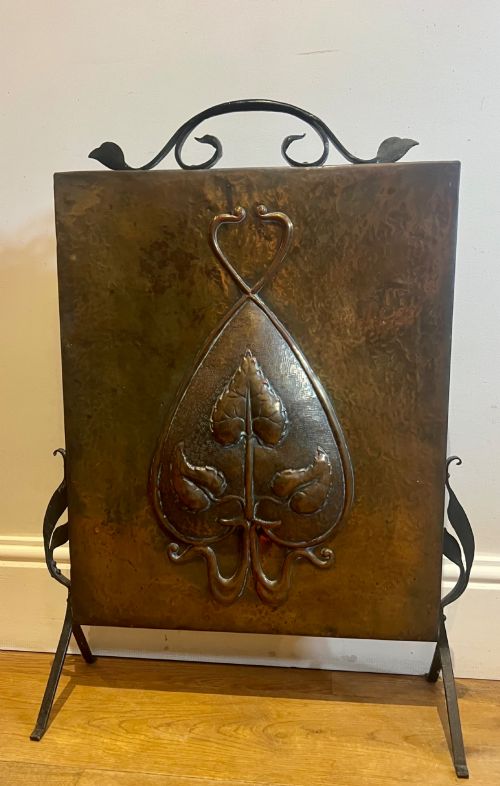
Metalwork dominates the construction of these pieces, utilising brass, copper, wrought iron, and lead to form sturdy frames and decorative panels. Artisans hammered copper, cast brass into elaborate Rococo shapes, and shaped iron for robust stands.
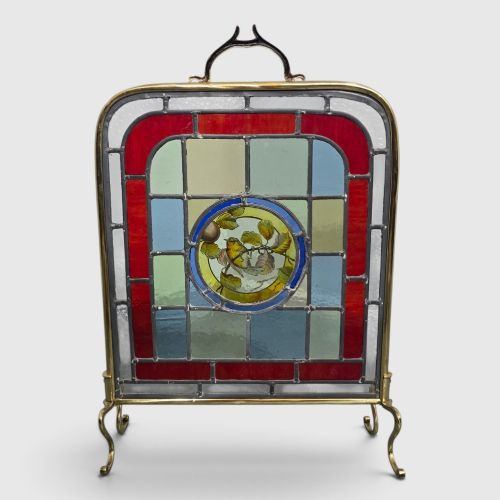
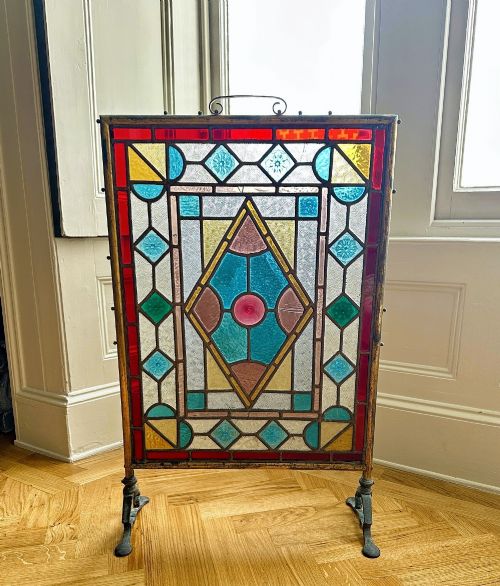
Woodwork and textiles also feature prominently, with mahogany and carved oak framing intricate needlework samplers and figural tapestry panels. Stained glass provides colourful transparency in specific Arts and Crafts designs, held securely within metal supports.
Vintage Firescreen Retail Price Guide 2026
Typical asking prices for vintage firescreen among the pieces listed under this phrase on Sellingantiques today, from the lower quarter to the upper quarter. They describe what is for sale here now, not the wider market.
Some screens feature two pull-out leaves, presumably for people who genuinely could not decide which direction the heat was coming from.
Assessing the workmanship
Quality in these pieces rests upon the precision of the metal casting, the hand-hammered detail on copper panels, and the tightness of wooden joints. Superior examples display crisp chasing on brass frames and securely mounted glass or tapestry inserts that remain stable within their structures.
The tactile nature of the textiles and the heft of the metal components define the upper tier of the range. Finer screens integrate functional elements like adjustable mechanisms and pull-out leaves smoothly without compromising the stability of the frame.
The Vintage Firescreen Glossary
- Firescreen
- A moveable screen placed before a fireplace to deflect heat or conceal a dormant hearth. These accessories evolved from functional shields into decorative focal points for the room.
- Needlework sampler
- A piece of embroidery showcasing various stitches and patterns, frequently mounted within a wooden frame to form the central panel of a firescreen. They demonstrate the domestic handwork skills of earlier periods.
- Rococo Revival
- A nineteenth-century design style characterised by asymmetrical scrolls, C-curves, and naturalistic plant motifs. This aesthetic appears frequently in ornate cast brass frames.
- Stained glass
- Coloured glass pieces joined together with lead cording to create decorative images or patterns. In firescreens, this material catches the ambient light when the hearth is cold.
Vintage Firescreen: Frequently Asked Questions
What is a vintage firescreen used for?
These screens were traditionally positioned in front of the fireplace to block the lingering heat of dying embers or to hide an empty hearth during warmer months. Today, they function primarily as decorative room accents that bring historical character and texture to a fireplace setting.
Because they stand upright, they also help anchor the visual space around a mantelpiece, serving as a focal point when the fire is unlit.
How do I clean a brass firescreen?
Brass components require gentle dusting with a soft cloth to maintain their surface without removing the accumulated patina of age. Avoid harsh chemical polishes that strip away the historical character built up over decades of use.
If the metal requires more attention, a mild solution of soapy water followed by thorough drying will preserve the finish.
Are these screens suitable for active fireplaces?
Most antique screens with textile or glass panels are best utilised with inactive or gas-effect hearths where intense flying sparks pose no risk. Metal-only screens offer better resilience against heat if placed near a burning fire, though original materials deserve careful treatment.
Checking the stability of the stand ensures the screen remains secure during everyday room use.
How do I identify an Arts and Crafts firescreen?
Arts and Crafts pieces generally feature honest construction methods, visible fixings, and materials like hammered copper and wrought iron. They eschew heavy revival ornamentation in favour of simpler, nature-inspired motifs.
Stained glass and subdued patinas are also common hallmarks of this aesthetic movement.