



Vintage Fireplace Warmer
These vintage fireplace warmer pieces keep the hearthside bright, offering solid brass and iron utility for any room.
Vintage Fireplace Warmer
A vintage fireplace warmer brings traditional hearth utility into modern rooms through solid metal containers and stands. These items originate across centuries, spanning Georgian and Regency periods alongside Dutch and English country designs.
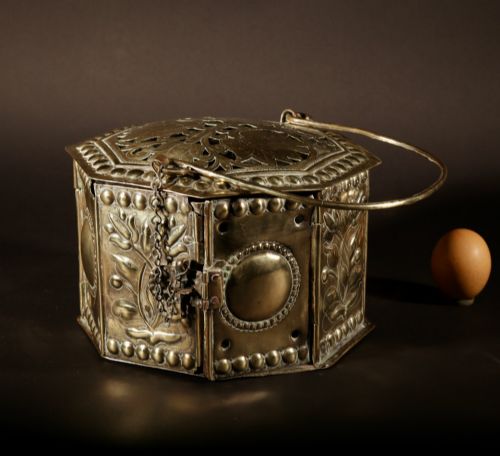
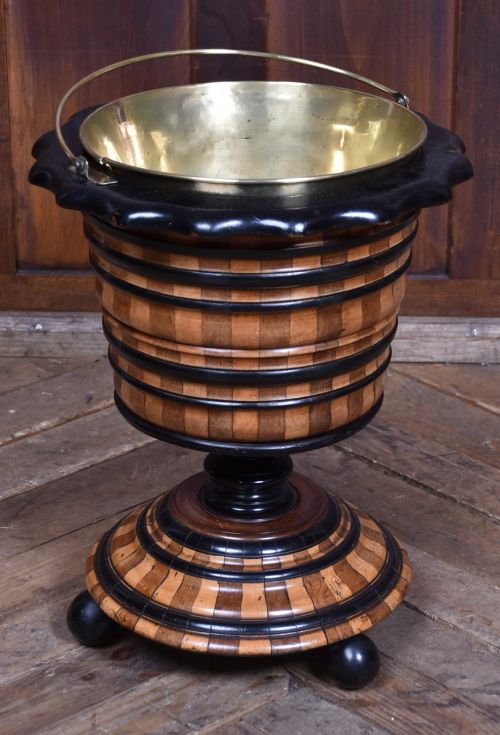
Buyers meet foot stoves, brass footmen, bed warming pans, and chestnut roasters across these listings. Materials run from heavy brass and iron to oak, ebonised wood, and mixed hardwoods.
Dutch foot stoves and English footmen dominate the forms, reflecting centuries of domestic heating habits. Pieces range from hand-embossed brass containers to heavy steel and wrought iron stands.
How they were made
Metalworking defines these warmers, utilising hammered brass, cast iron, and polished steel. Artisans shaped sheet brass with hand embossing, piercing, and riveting to create durable panels for daily hearth use.
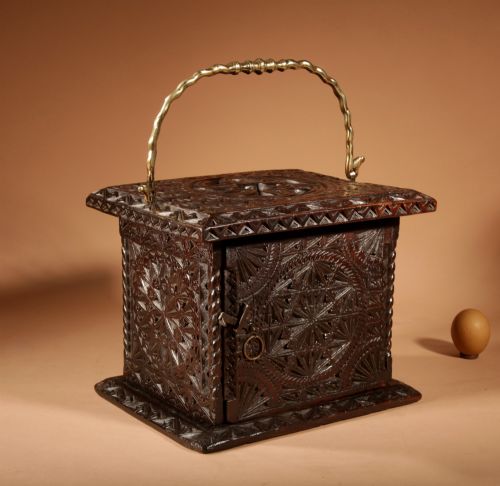
Woodworking complements the metal elements, employing oak and ebonised wood for handles and frames. Chip carving appears on wooden panels, showing folk art traditions from Frisian and English country makers.
Vintage Fireplace Warmer Retail Price Guide 2026
Typical asking prices for vintage fireplace warmer among the pieces listed under this phrase on Sellingantiques today, from the lower quarter to the upper quarter. They describe what is for sale here now, not the wider market.
Materials recorded across these items include brass, iron, steel, oak, ebonised wood, mixed hardwoods, and wrought iron.
What varies in quality
The crispness of hand embossing on brass panels separates standard containers from superior examples. Heavy gauge metals and intact internal brass liners indicate higher production standards.
Joinery and metal thickness determine the durability of footmen and warmers. Hand-carved wooden details show individual craftsmanship rather than mass production.
The Vintage Fireplace Warmer Glossary
- Foot stove
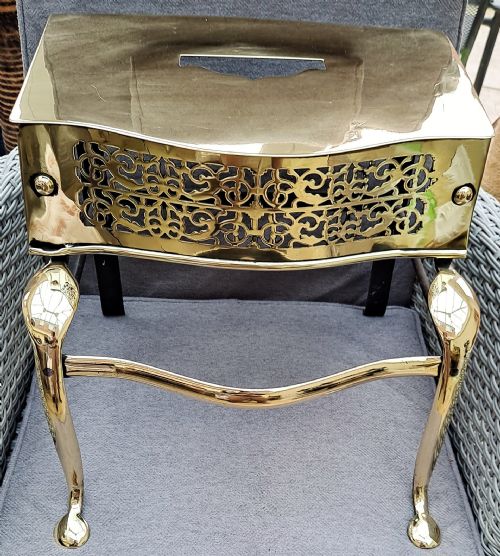
- A small box with pierced metal panels designed to hold hot coals for warming the feet. These portable heaters sat beneath heavy skirts or petticoats.
- Footman
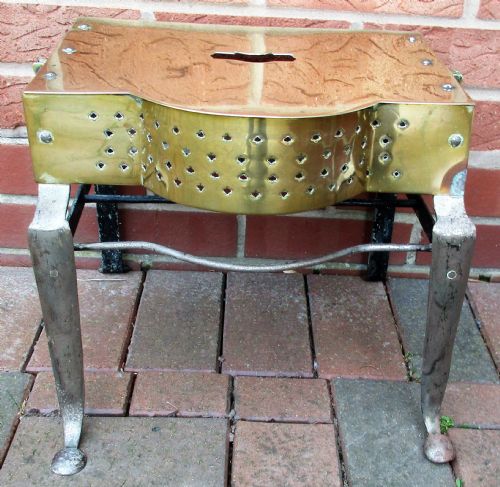
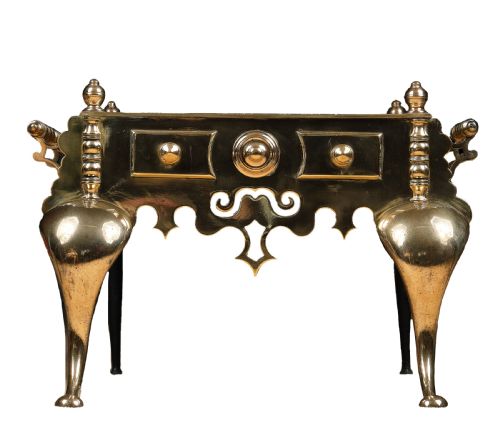
- A metal stand placed before the hearth to keep food warm or to heat water. These Georgian and Regency accessories utilise sturdy brass and steel construction.
- Warming pan
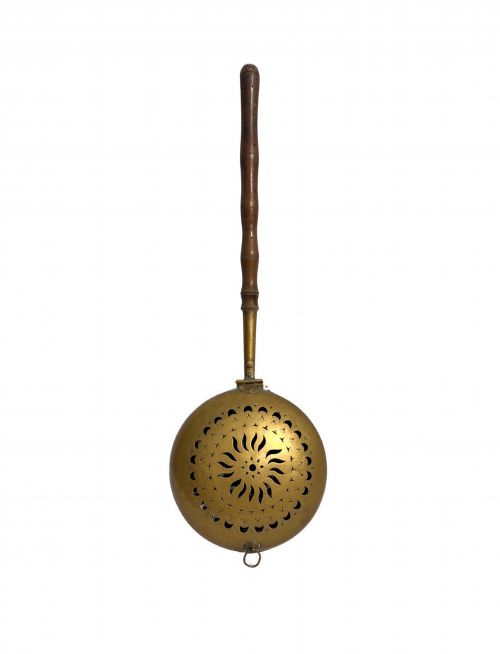
- A long-handled metal pan filled with hot embers to warm bed linen before sleeping. Copper and brass lids often feature decorative hammering.
- Teestoof
- A Dutch term for a foot stove that typically houses an internal ceramic or brass container for coals. These pieces often display detailed folk art embossing.
Vintage Fireplace Warmer: Frequently Asked Questions
How do foot stoves work?
Foot stoves contain a small internal ember container beneath pierced brass or iron plates. Hot coals placed inside radiated heat upward into enclosed spaces.
Users placed their feet on top of the perforated cover during cold weather. The design allowed controlled heat release without risking burns to clothing.
What is a brass footman?
A brass footman is an elevated metal stand used beside the hearth. It held kettles or dishes near the fire for warming.
These sturdy accessories feature four legs and a flat top surface. Georgian and Regency examples often combine brass tops with iron frames.
How do I date an antique warming pan?
Dating relies on handle materials, fastening methods, and the style of the metal lid. Earlier pieces from the eighteenth century show hand-beaten brass and forged iron.
Later Victorian and Edwardian examples often feature machine-turned decoration and different handle fixings. Examining the construction reveals the period of manufacture.