

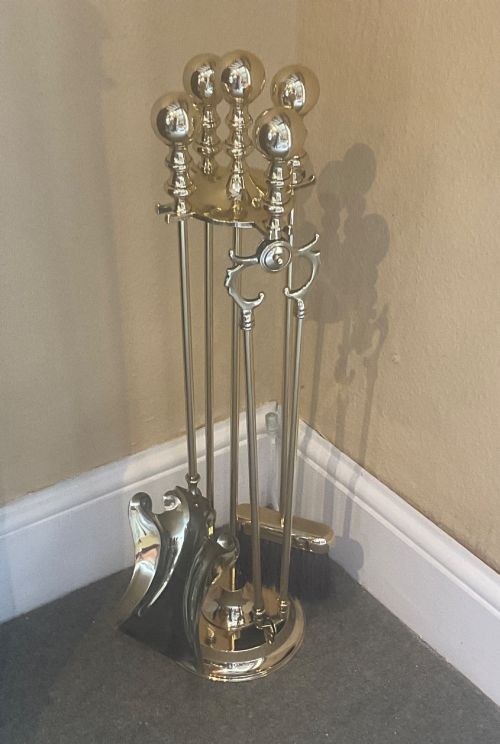


Vintage Fireplace Tools
Vintage fireplace tools keep a hearth orderly, combining sturdy iron and polished brass to tend the flames.
Vintage Fireplace Tools
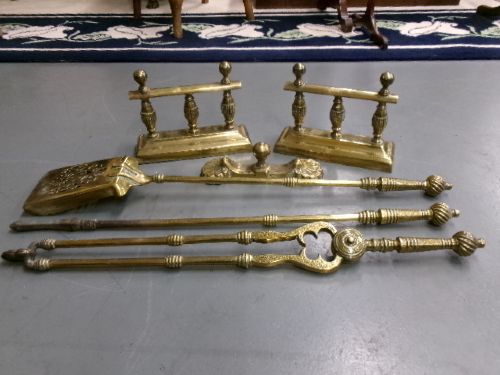
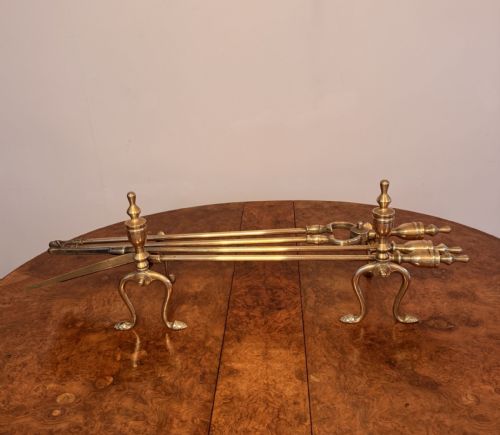
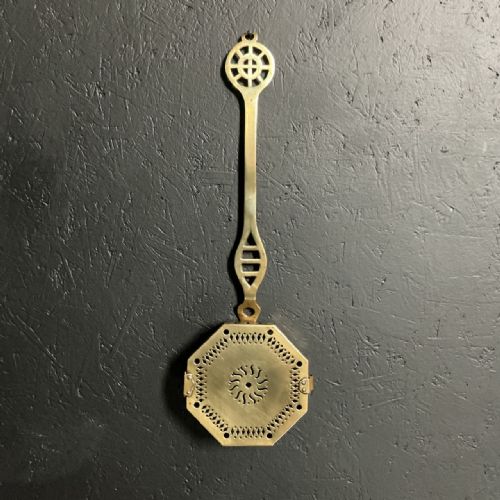
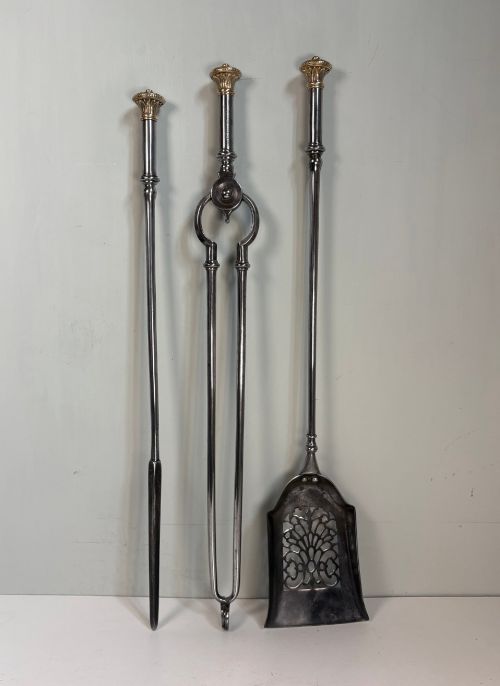
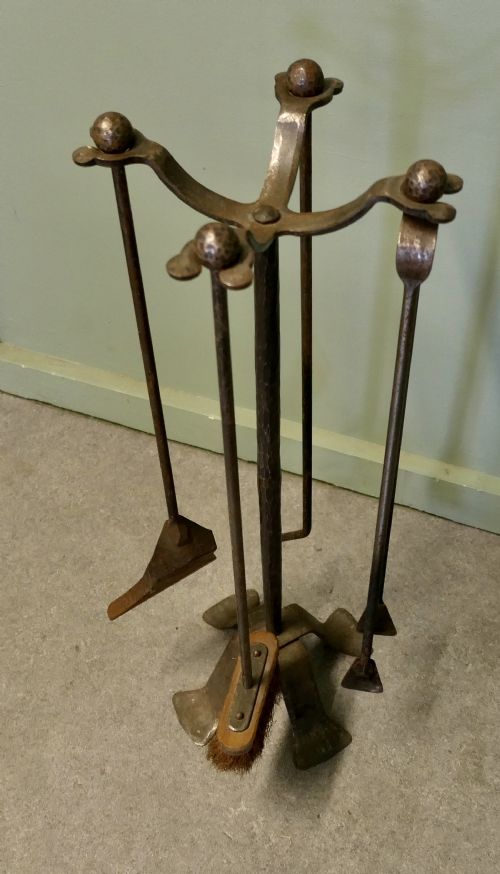
Vintage fireplace tools comprise companion sets, fire irons, bellows, and chestnut roasters designed to tend an open hearth. When searching for vintage fireplace tools, buyers encounter sets arranged on stands alongside individual pokers, tongs, and shovels.
The pieces on this page span the Georgian, Victorian, and Edwardian eras, alongside later twentieth-century examples. Iron and brass companion sets dominate the selection, often paired with matching fire dogs or rests.
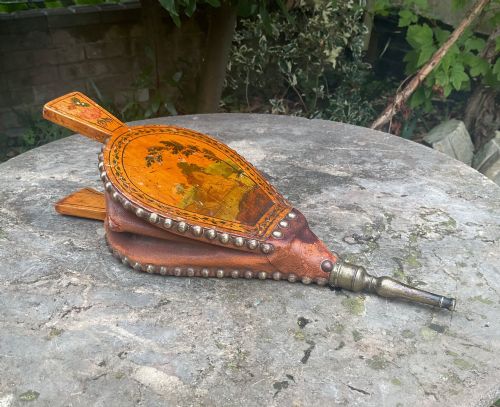
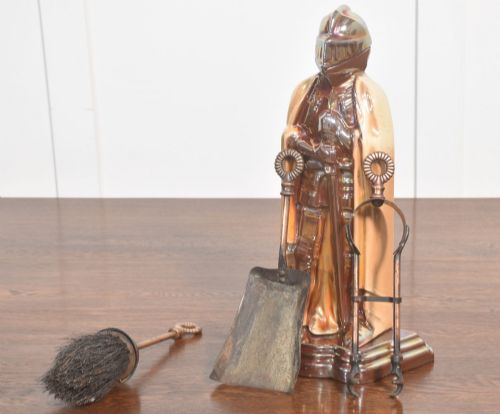
Forms range from utilitarian country house ironwork to ornate Rococo and Gothic Revival brass sets. Collectors also find specialised items such as painted metal golfer companion sets and handpainted bellows.
Qualities of Construction and Design
Quality rests upon the weight of the metal and the integrity of the joints. Heavy steel and substantial brass castings endure daily use beside the hearth better than thin, lightweight alternatives.
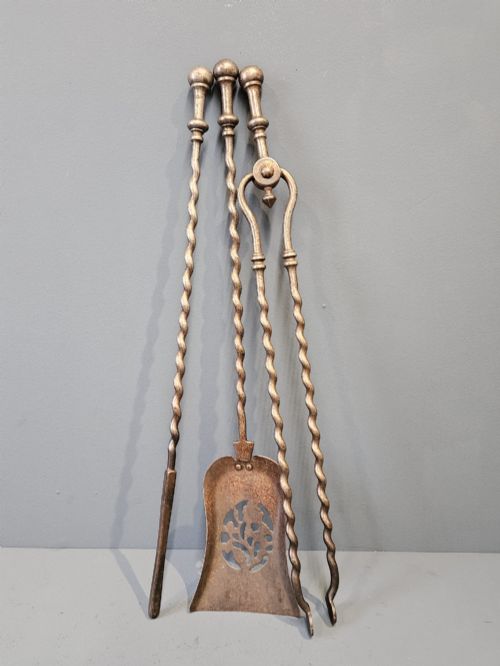
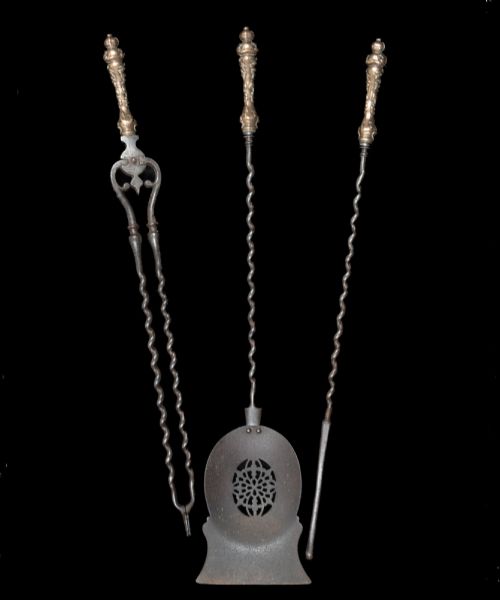
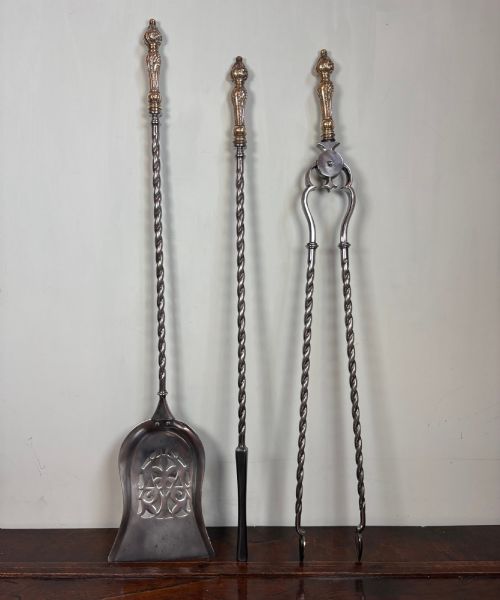
Design cohesion also distinguishes finer sets. Matched companion pieces share consistent decorative motifs, such as rope twist handles or period-specific styling, whereas assembled sets display mismatched components.
Vintage Fireplace Tools Retail Price Guide 2026
Typical asking prices for vintage fireplace tools among the pieces listed under this phrase on Sellingantiques today, from the lower quarter to the upper quarter. They describe what is for sale here now, not the wider market.
Styles represented include Victorian, Edwardian, Georgian, French Country, Gothic Revival, Arts and Crafts, and Regency.
The Vintage Fireplace Tools Glossary
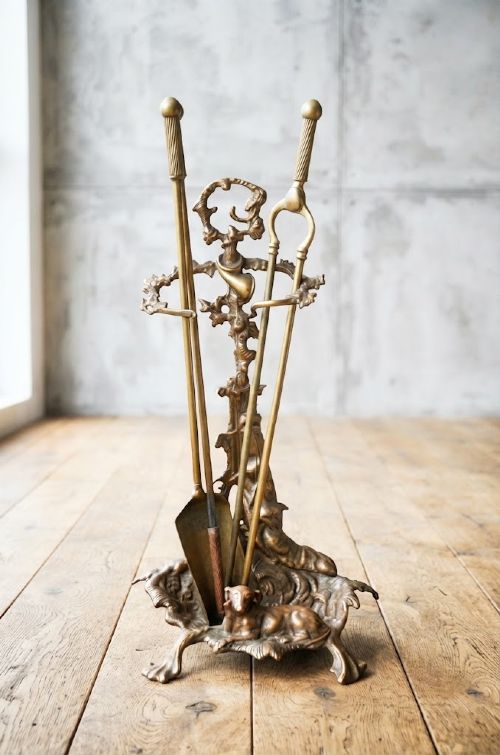
- Companion set
- A collection of hearth tools held together on a dedicated stand or rack. These typically include a poker, tongs, and a shovel.
- Fire irons
- Individual metal implements used to manage a coal or wood fire. They include pokers, shovels, and tongs.
- Andirons
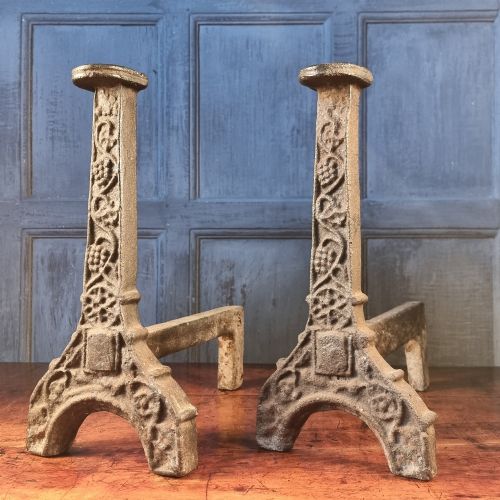
- Horizontal metal bars supported by legs, placed in a hearth to hold logs above the floor of the fireplace. They often appear alongside matching fire tools.
- Bellows
- A device with flexible sides and wooden handles used to pump air into a fire. They assist in stoking flames.
- Chestnut roaster
- A long-handled metal utensil featuring a perforated pan with a lid. It was held over the fire to roast chestnuts.
Vintage Fireplace Tools: Frequently Asked Questions
What is included in a companion set?
A standard companion set brings together the essential implements needed to manage a hearth fire. These typically consist of a poker, tongs, a shovel, and a stand to keep them upright.
Additional items such as brushes or fire dogs occasionally accompany these sets. Each piece serves a specific role in maintaining the fire and clearing the hearth.
How do I care for brass fire tools?
Brass tools require gentle cleaning to preserve their surface finish over time. Dust them regularly with a soft cloth and avoid harsh abrasive polishes that strip away age.
Heated areas near the hearth accumulate soot quickly, so wiping them down after use prevents permanent staining. Unlacquered brass will naturally develop a darker patina with handling.
Can I use these tools in an active fireplace?
Most vintage fire irons and companion sets were made for active use with wood or coal fires. Wrought iron and steel tools withstand high heat and regular handling.
Delicate decorative sets or pieces with painted finishes are better suited for display. Check the metal thickness and handle construction before placing antique irons into daily service.
How do I date a set of fire tools?
Dating fire tools involves examining the metalworking techniques, materials, and stylistic details. Georgian and Victorian sets often display hand-forging or heavy cast brass with specific period ornamentation like Gothic or Rococo motifs.
Edwardian and later twentieth-century sets introduce lighter constructions and playful novelty designs. Comparing the handle turning and stand design helps place the pieces in their proper era.