



Vintage Fireback
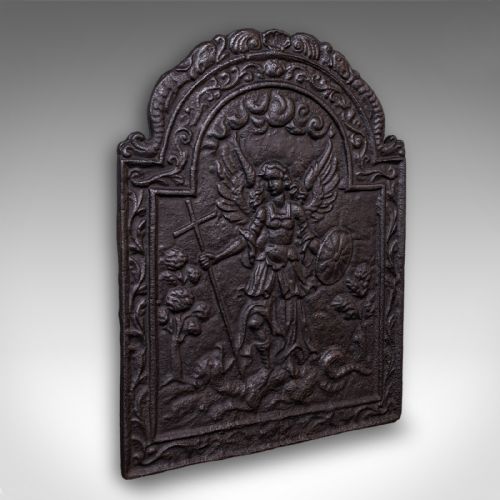
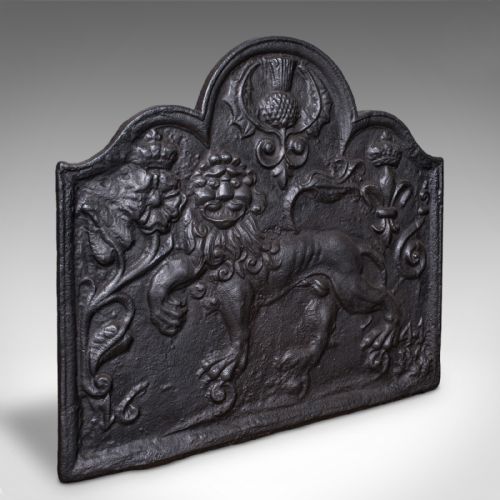
These vintage fireback pieces are heavy cast iron plates placed behind hearth fires to radiate heat and protect masonry, essential for any traditional hearth.
Vintage Fireback
When you search for a vintage fireback, you encounter heavy cast iron plates designed to stand at the back of an open hearth. The versions you are most likely to meet on this page hail primarily from the Victorian and Georgian eras, alongside pieces executed in 17th Century Style.
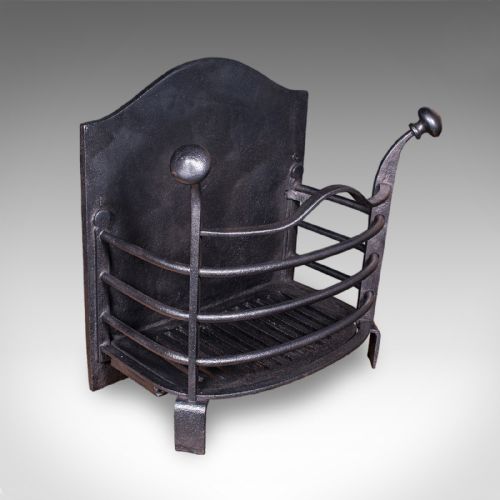
These items frequently function as fireplace reflectors, throwing warmth back into the room while shielding the brickwork from intense heat. Forms range from standalone firebacks to integrated assemblies that include grates and fenders.
English origins dominate the pieces seen here, reflecting traditional ironfounding methods. Collectors also find specific motifs such as the Tree of Life design or decorative neoclassical revivals among the selections.
How they were made
Makers produced these items using traditional cast iron techniques, pouring molten metal into open sand or loam moulds pressed with wooden patterns or carved reliefs. This method produced the robust, solid plates capable of enduring intense hearth temperatures.
The surface textures and decorative reliefs derive directly from these original wooden carvings or carved moulds pressed into the casting sand. Heavy iron sections ensured thermal retention, allowing the metal to absorb heat during a fire and continue warming the room afterwards.
Vintage Fireback Retail Price Guide 2026
Typical asking prices for vintage fireback among the pieces listed under this phrase on Sellingantiques today, from the lower quarter to the upper quarter. They describe what is for sale here now, not the wider market.
Tree of Life motifs let ancient forests warm your modern living room.
What varies in quality
Quality in these cast iron plates rests upon the crispness of the moulded relief and the proportional thickness of the metal. Finer examples display deeply struck decorative motifs with sharp edges, whereas lesser pieces exhibit softer, shallower casting details.
The overall mass and integrity of the casting separate standard utility plates from decorative works of art. Heavier plates with sophisticated styling, such as Neoclassical Revival or detailed Victorian ornamentation, represent the higher end of the range.
The Vintage Fireback Glossary
- Fireback
- A heavy metal plate placed against the rear wall of an open fireplace. It protects the masonry from deterioration and reflects radiant heat forward into the room.
- Fire Grate
- A metal basket or framework that holds burning fuel inside a fireplace. It often pairs directly with a fireback to form a complete hearth unit.
- Neoclassical Revival
- A style drawing inspiration from classical Greek and Roman art. Pieces in this aesthetic feature symmetrical ornamentation and formal decorative motifs.
- Cast Iron
- An iron-carbon alloy poured into moulds in a molten state. It provides exceptional heat resistance and structural durability for hearth accessories.
- Reflector
- An alternate term for a fireback used to describe its primary function of bouncing thermal energy outward. These plates brighten the hearth picture while warming the space.
Vintage Fireback: Frequently Asked Questions
What is a vintage fireback used for?
A fireback sits vertically against the rear brick wall of an open fireplace. Its primary purpose is to absorb and radiate heat back into the room while protecting the masonry structure from direct flame damage.
Beyond practical thermal benefits, these heavy iron plates serve a decorative role. They fill an empty hearth with historical character and ornamental relief work when no fire burns.
How do I install a fireback?
Most firebacks simply stand upright against the back wall of the fireplace hearth, supported by their own substantial weight and sometimes angled slightly backward. Some setups utilise integrated feet or rest directly behind a matching fire grate.
Before placing one, ensure the hearth floor is level and capable of supporting heavy cast iron. Proper positioning leaves a small air gap behind the plate for effective heat circulation.
How can I tell Victorian firebacks apart?
Victorian firebacks often incorporate historical revivals, ranging from Gothic influences to ornate neoclassical patterns. They frequently feature crisply cast surface details and maker signatures or registration marks where production standards evolved.
Earlier Georgian examples tend toward heavier, simpler forms with more restrained decorative borders. Examining the depth of the casting and the specific motifs helps differentiate the periods.
Are all firebacks made of cast iron?
Traditional firebacks are almost exclusively produced from cast iron due to the metal's ability to withstand extreme temperatures without warping. The casting process allowed ironfounders to impress intricate designs into the molten metal.
Alternative metals are rarely found in authentic period pieces because they lack the specific thermal mass required for hearth use. Iron remains the definitive material across all seen eras.