
Vintage Fire Screen
A vintage fire screen blocks the sudden heat of an open grate while turning a cold hearth into a decorative focal point.
Vintage Fire Screen
A vintage fire screen serves both practical and decorative purposes beside the fireplace, protecting the room from stray sparks or moderating radiant heat when the fire dies down.
This selection spans diverse periods from the Regency era through Victorian and Edwardian times into the 20th century, encompassing styles such as Art Nouveau, Arts and Crafts, and various revival movements.
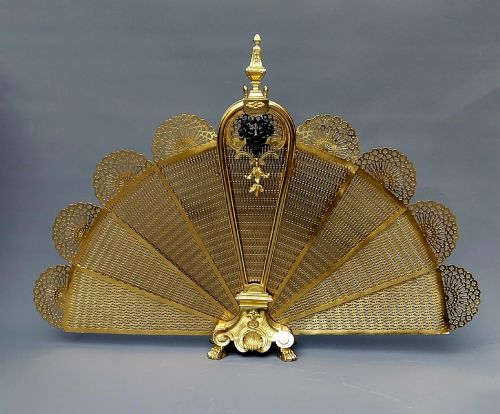
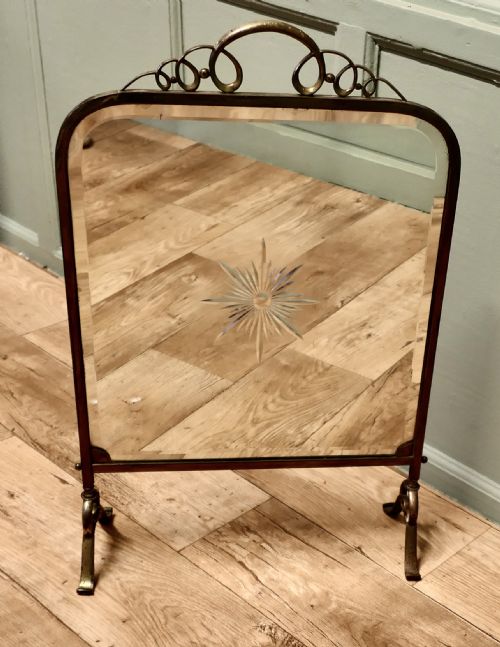
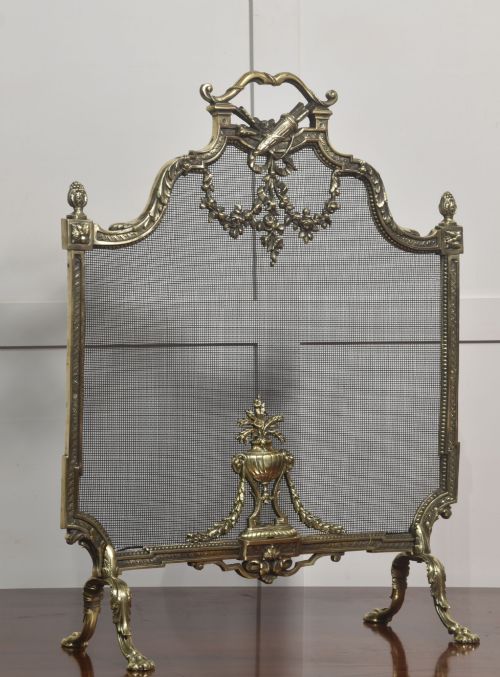
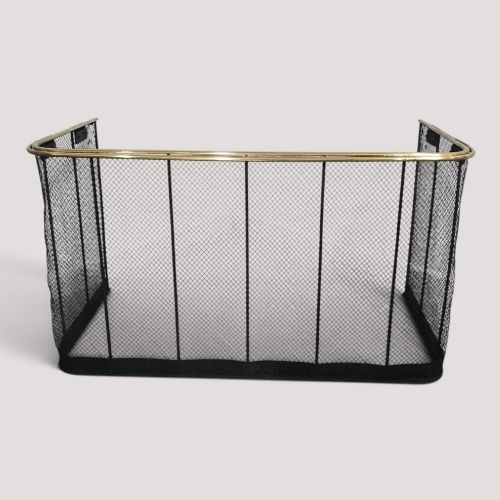
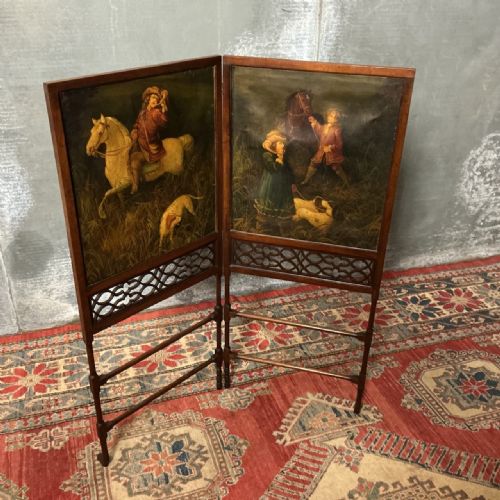
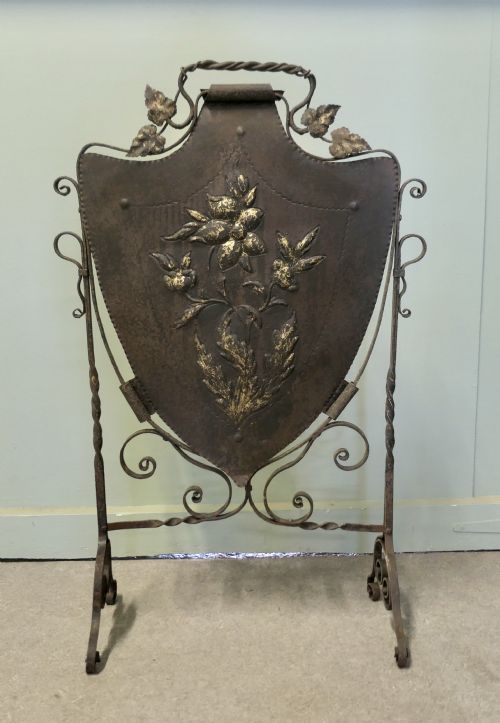
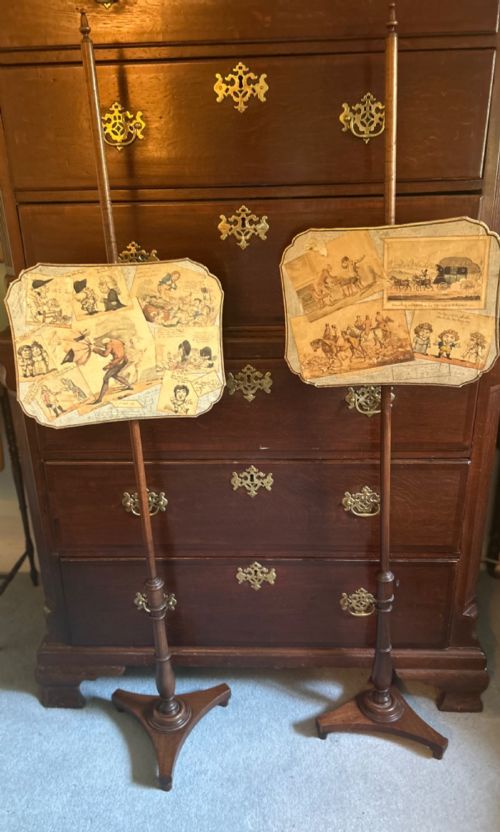
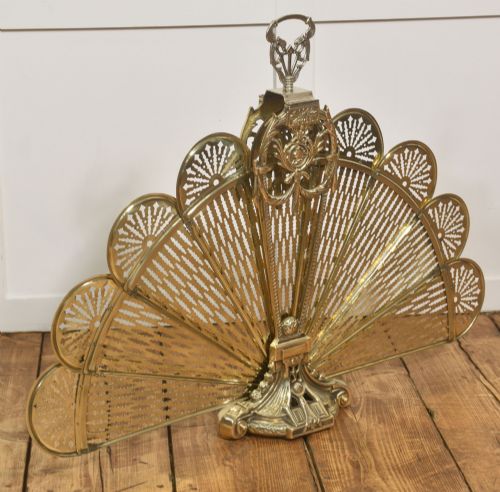
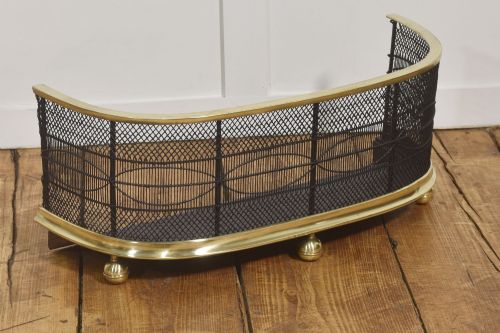
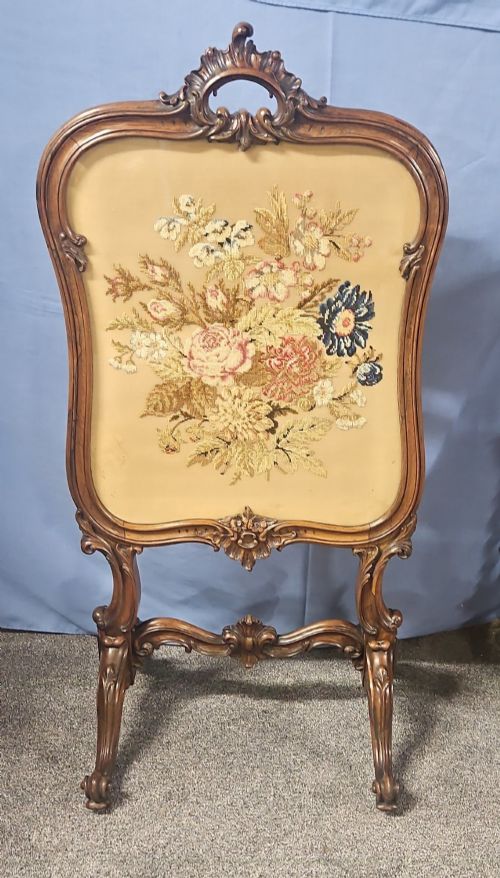
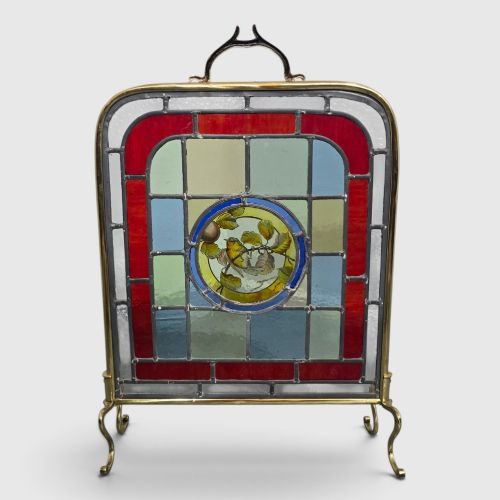
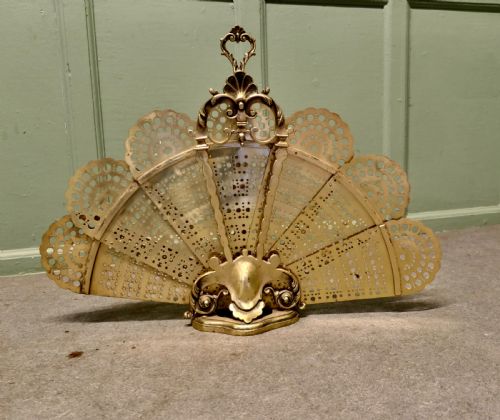
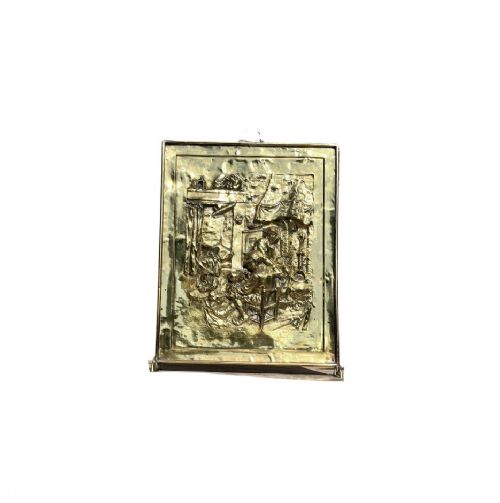
Buyers will encounter multiple configurations here, including folding peacock fan screens, framed glass panels, wire mesh guards, and solid wooden frames inset with tapestries, oil paintings, or embossed metal.
How they were made
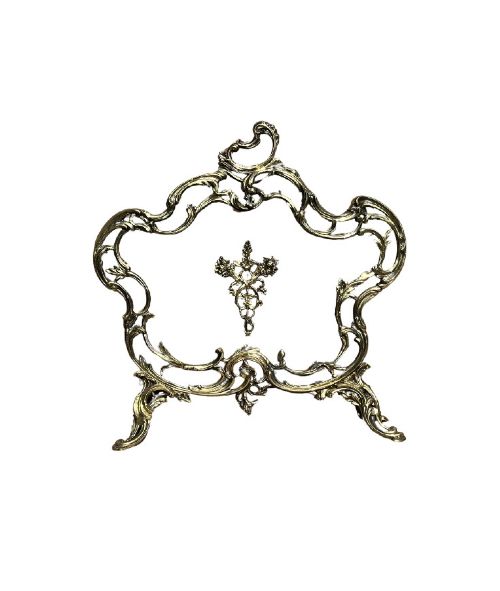
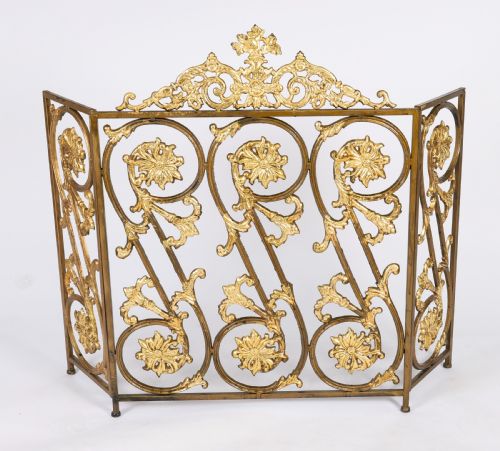
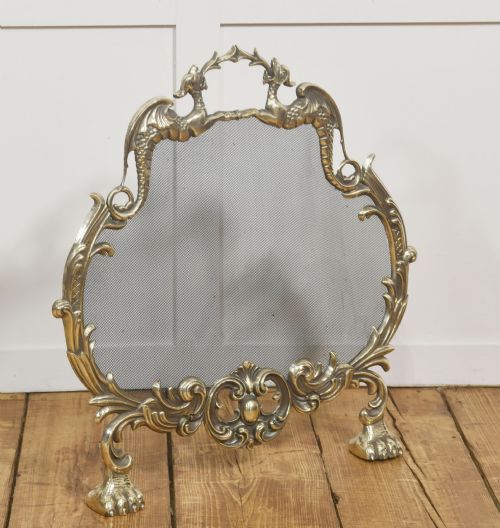
Metalwork dominates these pieces, utilising cast and pierced brass, wrought iron, copper, and gilt bronze shaped into elaborate frames or protective mesh.
Woodworking complements the metal structures, employing mahogany, walnut, and oak to build sturdy stands, folding sections, or needlework panel frames.
Decorative detailing relies on diverse artisan techniques, ranging from hand-chased brass and stained glass insertion to oil paintings and figurative tapestry panels.
Several pieces feature witty satirical prints, family coats of arms, and mechanical peacock tails that fan out.
What varies in quality
The standard of craftsmanship depends on the depth and crispness of the detailing, separating mass-produced wire guards from deeply chased or hand-pierced metalwork and finely carved wooden frames.
Materials dictate the calibre of the piece, with heavier gauges of brass, solid mahogany or walnut, and original stained glass or hand-painted panels representing superior manufacture.
Design complexity marks the hierarchy of these items, distinguishing simple folding spark guards from elaborately articulated peacock fans, folding multi-section mirrors, and bespoke artistic panels.
The Vintage Fire Screen Glossary
- Fire screen
- A movable barrier placed in front of a fireplace to shield the room from excessive heat or flying embers when the fire burns low.
- Pole screen
- An adjustable fireside heat reflector mounted on a vertical wooden pole, designed to protect a person's face from the direct blaze.
- Peacock fan
- A folding metal screen whose radiating leaves expand outward to resemble a peacock tail, effectively blocking the entire fireplace opening.
- Spark guard
- A protective mesh or wire barrier specifically intended to catch spitting embers and prevent them from damaging rugs or furniture.
- Repoussé
- A metalworking technique where the artisan hammers the design from the reverse side to form a raised relief on the front.
Vintage Fire Screen: Frequently Asked Questions
What is a fire screen used for?
A fire screen provides a physical barrier between an open fireplace and the rest of the room. It stops spitting embers from damaging flooring while the fire is lit.
When the hearth is unlit, the screen hides the empty grate and ash, adding a decorative element to the chimney breast.
How do I choose the right size?
Measure the width and height of your fireplace opening before browsing. The screen should comfortably cover the entire grate without leaving wide gaps at the sides.
Consider whether you want a static panel or a folding design that adjusts to fit different hearth spaces.
How do I care for brass fire screens?
Dust the metal regularly with a soft dry cloth to prevent soot and ash buildup. Avoid harsh chemical cleaners that strip the aged patina.
If polishing is necessary, use a mild metal cleaner applied sparingly with a cloth, keeping it away from any fabric or painted panels.
Can I use a vintage screen with a working fire?
Many vintage screens with wire mesh or solid metal construction function well with active fires to catch sparks. However, screens featuring delicate oil paintings, glass panels, or tapestries serve best as decorative summer screens when the hearth is cold.