



Vintage Fire Back
A vintage fire back protects the masonry of an open hearth while radiating heat back into the room, making it both a practical screen and a heavy decorative centrepiece.
Vintage Fire Back
A vintage fire back is a heavy iron plate placed at the back of an open fireplace to absorb and project heat into the room. When you search for a vintage fire back, you are looking at substantial cast iron panels designed to shield the chimney breast from excessive heat.
The pieces seen on this page span the Victorian and Georgian periods, alongside 19th-century examples. Forms range from simple church refectory pieces and fireplace reflectors to arched top designs and integrated grates with fenders.
English origins dominate the selection, accompanied by French examples featuring decorative motifs such as armour and eagles. Stylistic influences draw heavily on Gothic, Neoclassical Revival, French Baroque, and 17th-century revival aesthetics.
How they were made
These pieces are produced in cast iron, utilised for its ability to withstand intense heat and retain warmth long after the fire dies down. The metal is poured into sand or open-face moulds to create the heavy plates.
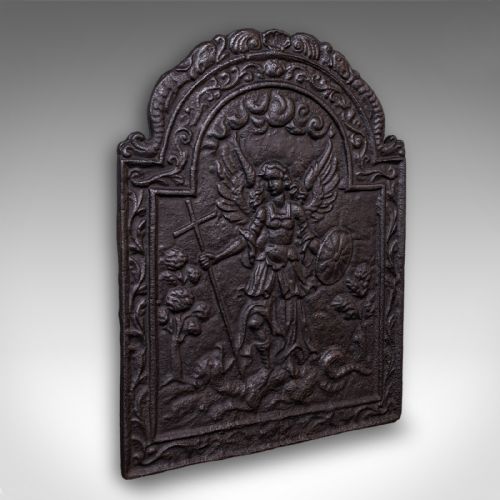
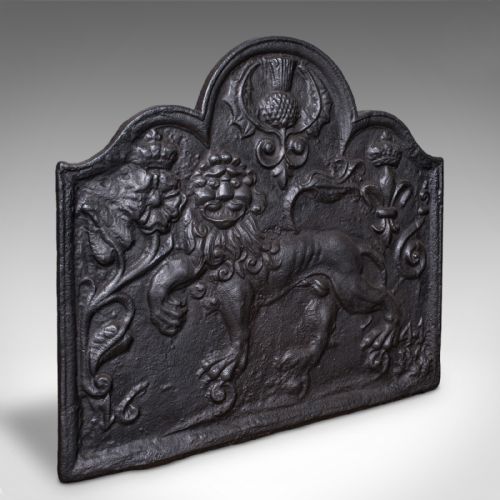
Design details are achieved through relief casting, pressing heraldic symbols, trees of life, and classical motifs directly into the iron surface during manufacture.
Vintage Fire Back Retail Price Guide 2026
Typical asking prices for vintage fire back among the pieces listed under this phrase on Sellingantiques today, from the lower quarter to the upper quarter. They describe what is for sale here now, not the wider market.
Listings span the Victorian, Late Victorian, and Georgian eras, executed entirely in cast iron with stylistic influences ranging from Gothic to French Baroque.
What varies in quality
Quality in a fire back lies in the crispness of the relief casting and the depth of the ironwork. Pieces featuring detailed heraldry, architectural arches, or pictorial subjects such as the tree of life display greater ambition in the foundry.
Substance and weight also divide the range, with heavier plates offering a more substantial physical presence in the hearth. The clarity of the Neoclassical Revival or French Baroque ornamentation determines the visual hierarchy among these iron panels.
The Vintage Fire Back Glossary
- Fire back
- A heavy iron plate placed against the rear wall of an open fireplace. It protects the brickwork and radiates heat forward.
- Reflector
- An alternative term for a fire back, highlighting its function in throwing warmth back into the room. These plates catch the light and heat of the flames.
- Relief
- A sculptural technique where figures and patterns project from the flat iron background. This method creates the pictorial scenes seen on Victorian panels.
- Grate
- An iron basket or frame that holds the fuel within a fireplace. Some listings combine this metalwork with a matching back and fender.
- Fender
- A low metal guard placed in front of the hearth to contain sparks and ash. It forms a matched suite when paired with certain fire backs.
Vintage Fire Back: Frequently Asked Questions
What is the purpose of a fire back?
A fire back stands against the rear wall of an open hearth to protect the masonry from intense heat. It also acts as a radiator, absorbing warmth while the fire burns and slowly releasing it into the room long after the flames fade.
Beyond utility, these heavy iron plates provide a decorative focal point for the fireplace. They transform a dark recess into a display of period craftsmanship.
How do I choose the right size?
Measure the width and height of your fireplace opening carefully before selecting a plate. Ensure there is adequate clearance around the edges so the iron fits securely against the back wall without blocking the flue.
Consider the weight and proportions of the piece relative to your hearth. A substantial Victorian or Georgian plate requires a sturdy supporting structure.
How do I date a cast iron fire back?
Dating relies on stylistic clues within the cast relief work, such as Gothic revival patterns, Neoclassical motifs, or Victorian heraldry. Foundry techniques and the texture of the cast iron also offer guidance on the period of manufacture.
Many pieces reflect the revival styles popular during the 19th century, drawing inspiration from 17th-century designs. Examining the edge finish and depth of the casting helps place the object in its era.