





Vintage Female Nude Painting
A vintage female nude painting captures the human form through the lens of early to mid-twentieth-century modernism, offering striking displays of draftsmanship and colour.
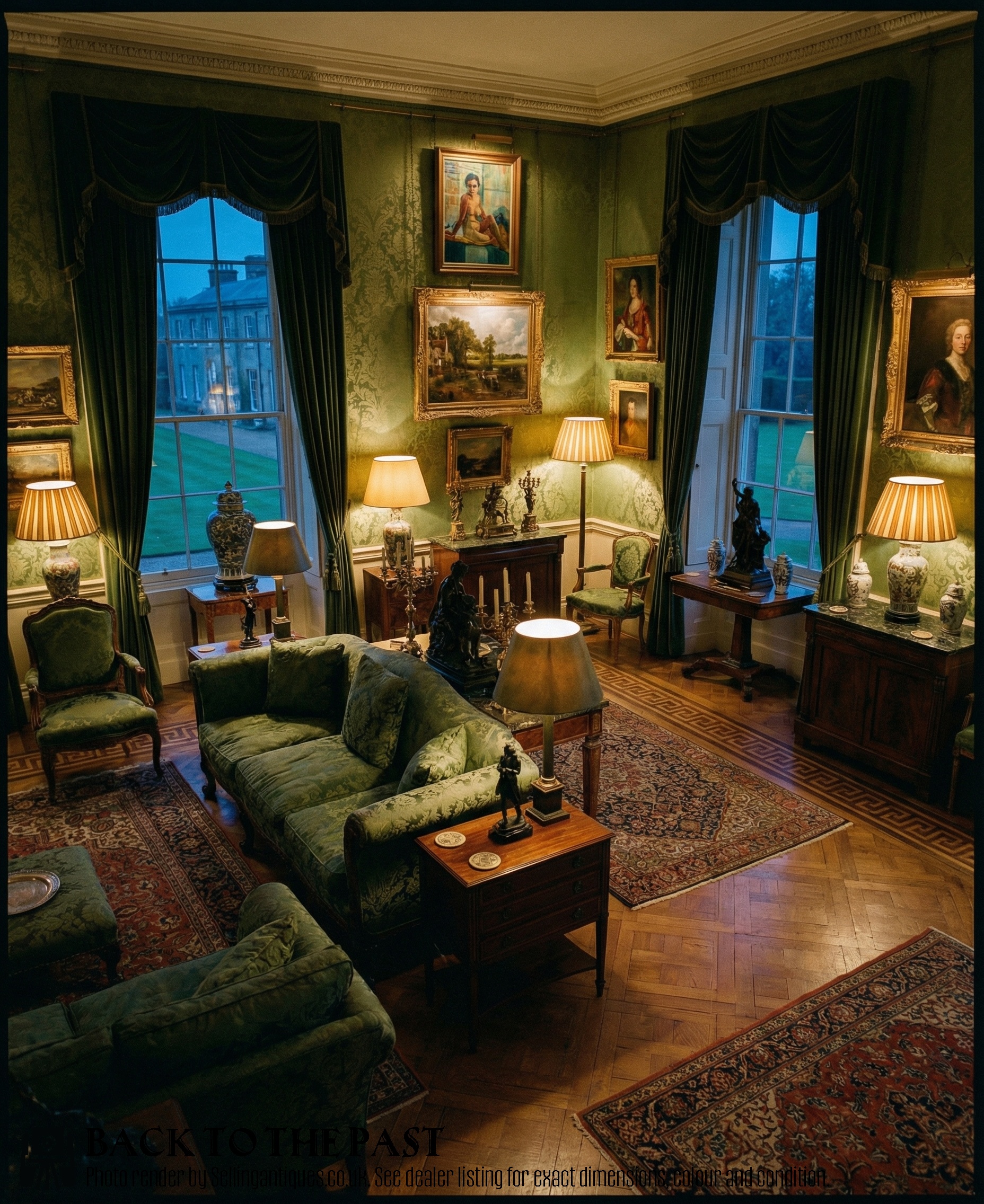
Vintage Female Nude Painting
A vintage female nude painting spans decades from the Victorian era through the Art Deco movement and into the mid-twentieth century, capturing the human form across diverse European art schools. Buyers exploring this category encounter everything from intimate interior oil studies to expressive post-impressionist canvases and detailed watercolours.
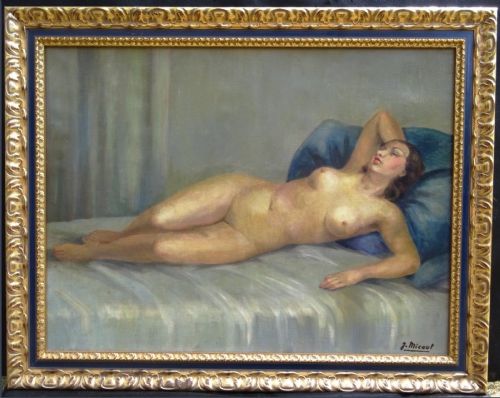
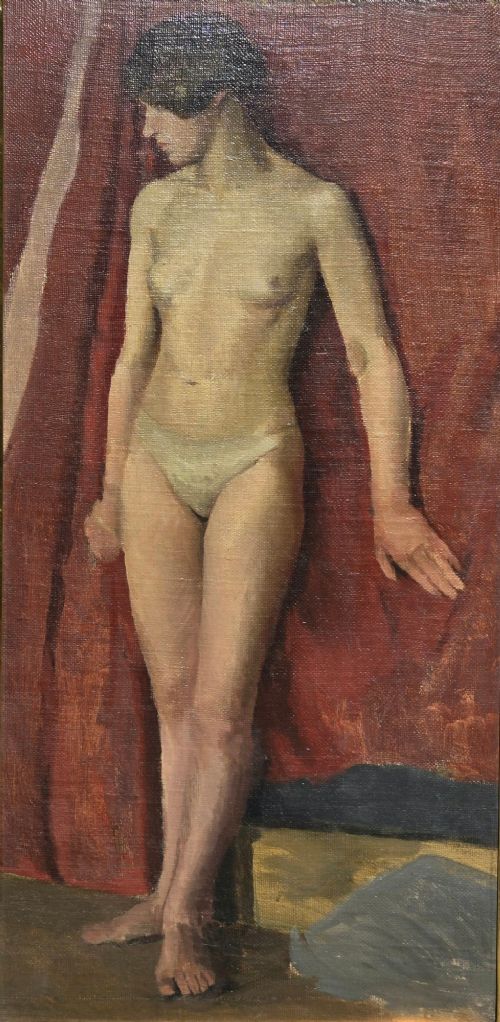
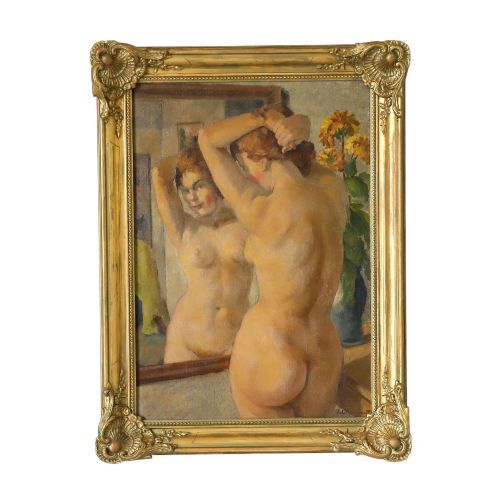
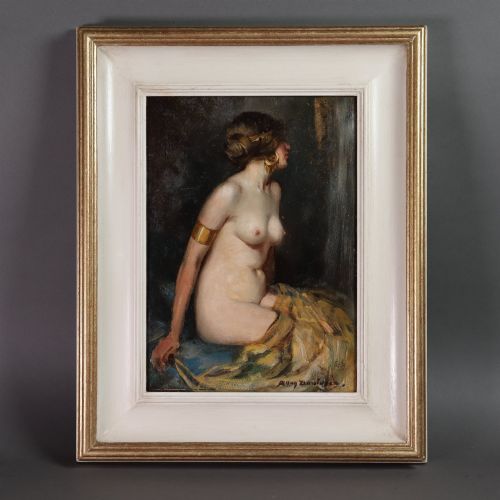
The version most frequently met on this page is the oil painting on canvas dating from the nineteen-twenties and nineteen-thirties, often reflecting French or British modernist sensibilities. These works range from seated poses in domestic interiors to reclining figures set against landscapes or mirrors.
How they were made
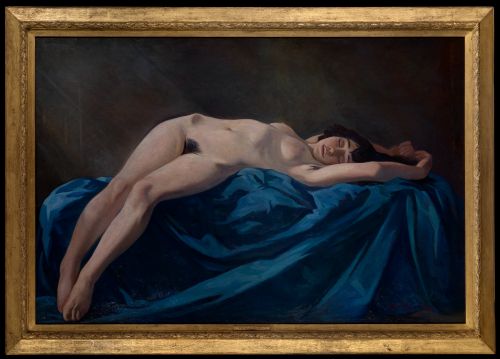
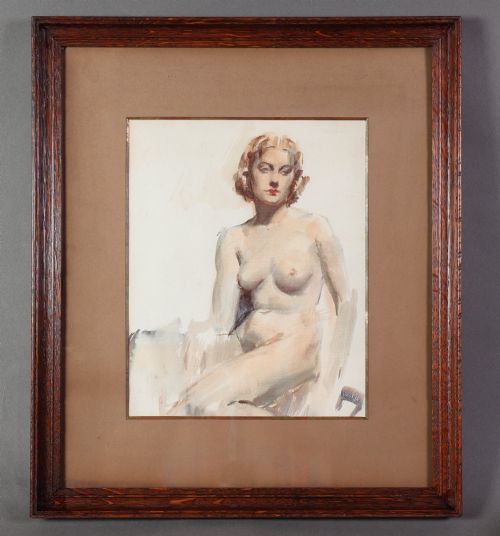
Artists relied primarily on oil paint applied to stretched canvas, wooden board, or paper, building texture with brushwork and palette knives. Watercolour and gouache also appear frequently, particularly in works prioritising fluid line and translucent washes over heavy impasto.
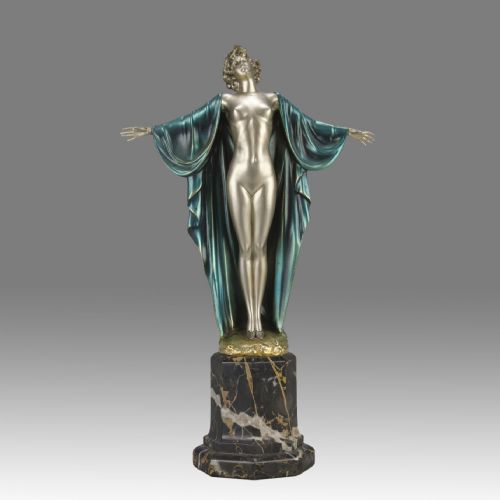
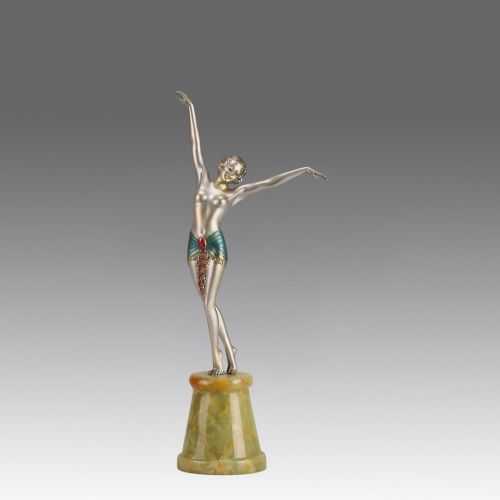
Sculptural counterparts utilise cold-painted bronze, spelter, and carved wood, often mounted on onyx or marble bases. These three-dimensional pieces employ casting and hand-finishing techniques typical of the early twentieth century to accentuate movement and posture.
Listings feature works executed in oil on canvas, watercolour, bronze, and carved onyx across the Victorian, Art Deco, and mid-century periods.
What varies in quality
Quality rests upon the artist's command of anatomy, light, and proportion, distinguishing confident academic draftsmanship or expressive brushwork from hesitant execution. Superior examples demonstrate a clear understanding of tonal values that give depth and volume to the figure.
The strength of the composition and the handling of the surrounding space elevate certain works above standard life studies. Pieces featuring named artists with established exhibition histories typically display greater technical assurance in capturing mood and form.
Ferdinand Preiss·Josef Lorenzl·Philippe de Rougemont·Raymond Moritz·Tony Giles·Henri Vincent-Anglade·Gaetan Dumas·Allan Douglas Davidson·Stratton·Sir William Russell Flint·Peter Jackson·Jean Hippolyte Marchand·Pinchus Krémègne·Yetta Kane·Raymond Arthur Roadnight·Bruno Zach·Montagu Barstow·Frank Dobson·Tom Whitehead·René Caty·Louis Georges Bouché
The Vintage Female Nude Painting Glossary
- Post-Impressionism
- A French art movement extending impressionist techniques while rejecting its limitations for expressive forms. Painters developed symbolic content and heavier outlines.
- Cold-painted bronze
- A metal sculpture technique where the bronze is painted with natural cold-drying paints rather than fired in a kiln. This method allowed intricate polychrome finishes on figures.
- Spelter
- An alloy of zinc and copper used as a cheaper alternative to bronze for decorative figurines. It was frequently patinated to imitate true bronze in Art Deco sculptures.
- Chiaroscuro
- The strong contrast between light and dark used to give three-dimensional volume to figures. This technique heightens the dramatic impact of the painted study.
- Imbued
- A term describing a work saturated with particular moods or qualities. It reflects the atmospheric depth achieved by the artist.
Vintage Female Nude Painting: Frequently Asked Questions
How do I care for an old oil painting?
Keep the artwork away from direct sunlight and fluctuating humidity levels to protect the canvas and pigments. Avoid touching the painted surface directly, as natural oils from skin can damage the aged medium.
Dust the frame gently with a dry, soft brush rather than using chemical cleaners or damp cloths. Professional conservation should be sought if the canvas requires cleaning or structural repair.
Where were these nude studies displayed?
Many of these artworks originated in European studios, academies, and private apartments during the interwar period. They served as academic exercises, exhibition pieces, or intimate works for private collections.
Today, they transition easily into modern living spaces, serving as focal points in studies, bedrooms, or drawing rooms. Their varied sizes allow them to suit both gallery walls and smaller domestic settings.
How can I tell a bronze from spelter?
Bronze is heavier, denser, and generally cooler to the touch than spelter. Examining the underside or worn areas may reveal a greyish metal beneath the surface of spelter, whereas bronze retains a warm metallic tone.
Bronze also permits sharper casting details and greater tensile strength in delicate limbs or drapery. Spelter figures tend to feel more brittle and show different ageing patterns.
What defines the Art Deco style in these works?
Art Deco pieces emphasise streamlined geometry, stylised curves, and a sense of modern luxury. In sculptures and paintings alike, the human form is often depicted with sleek elegance and poised motion.
This aesthetic rejected Victorian ornamentation in favour of bold silhouettes and simplified contours. The influence appears strongly in bronzes and figurines from the nineteen-twenties and nineteen-thirties.