




Framed Canvas Nude Study
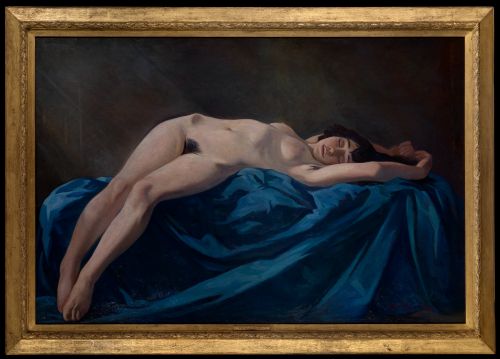
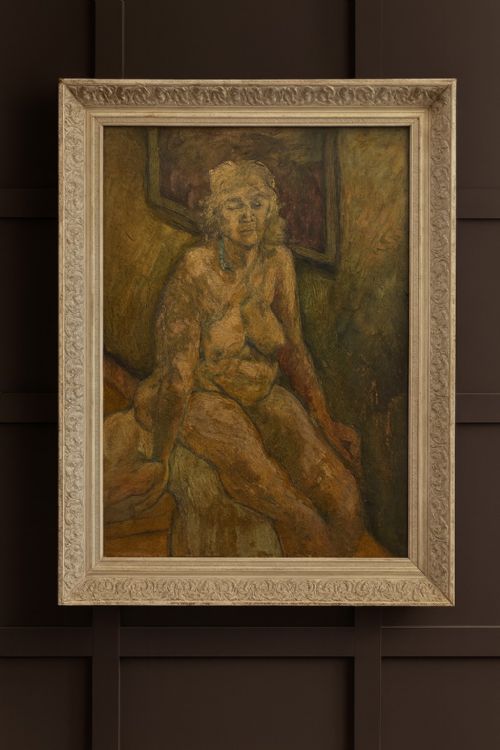
A framed canvas nude study brings an intimate human presence into a room, spanning academic realism to mid-century figurative works.
Framed Canvas Nude Study
When you search for a framed canvas nude study, you are looking at figurative paintings rendered in oils on canvas or board, often set within period wooden or gilt frames. These works range from seventeenth-century Flemish baroque compositions to twentieth-century British realism and post-century studies.
The pieces you are most likely to meet on this page date from the nineteenth and twentieth centuries, taking the form of studio interiors, reclining figures, and self-portraits. Painters capture the human form through academic traditions, modern British approaches, and continental interpretations.
How they were made
Artists painted these studies using oil paint upon stretched canvas or board, sometimes laying canvas directly onto secondary supports for stability. Pigments were applied with varied brushwork to render light, shadow, and flesh tones.
Framing forms an integral part of the presentation, utilising traditional materials such as wood, giltwood frames, and silver leaf. These surrounds complement the painting style, ranging from ornate historical moulding to simpler twentieth-century profiles.
Listings span from the eighteenth-century Flemish baroque tradition through to post-war British realism, utilising oil on canvas, board, and giltwood frames.
What varies in quality
Quality in these figurative works rests upon the precision of draughtsmanship, anatomical understanding, and the confidence of brush application. Stronger pieces reveal a deliberate handling of light across the subject, whereas weaker examples lack structural conviction in the pose.
The relationship between the canvas and its frame also distinguishes the pieces, as period-appropriate framing enhances the visual weight of the composition. The depth of character and tonal harmony within the paint layer separate standard academic exercises from more accomplished artistic statements.
Eric Robertson·Alexandre-Louis Martin·James Clark·Yetta Kane·Raymond Arthur Roadnight
The Framed Canvas Nude Study Glossary
- Academic realism
- A style of painting stemming from the standards of European academies, prioritising careful anatomical accuracy, smooth finishes, and classical subject matter.
- En grisaille
- A painting executed entirely in shades of grey or neutral monochrome, often used to simulate sculpture or as a preparatory underpainting.
- Giltwood frame
- A wooden picture frame coated with a thin layer of gold leaf or gilt gesso, adding decorative luminance to the artwork.
- Post-war British realism
- A mid-century artistic movement focusing on tangible, unidealised depictions of everyday subjects and figures within domestic or studio spaces.
Framed Canvas Nude Study: Frequently Asked Questions
How do I date a nude study?
Dating relies upon stylistic markers, dress or pose conventions, and the physical composition of the canvas and stretcher frame. Signatures, inscriptions, and framing materials often provide further chronological context.
Twentieth-century works frequently display modern modernist brushwork or specific artist stamps, while earlier pieces align with traditional academic or baroque conventions.
Where should I hang a nude painting?
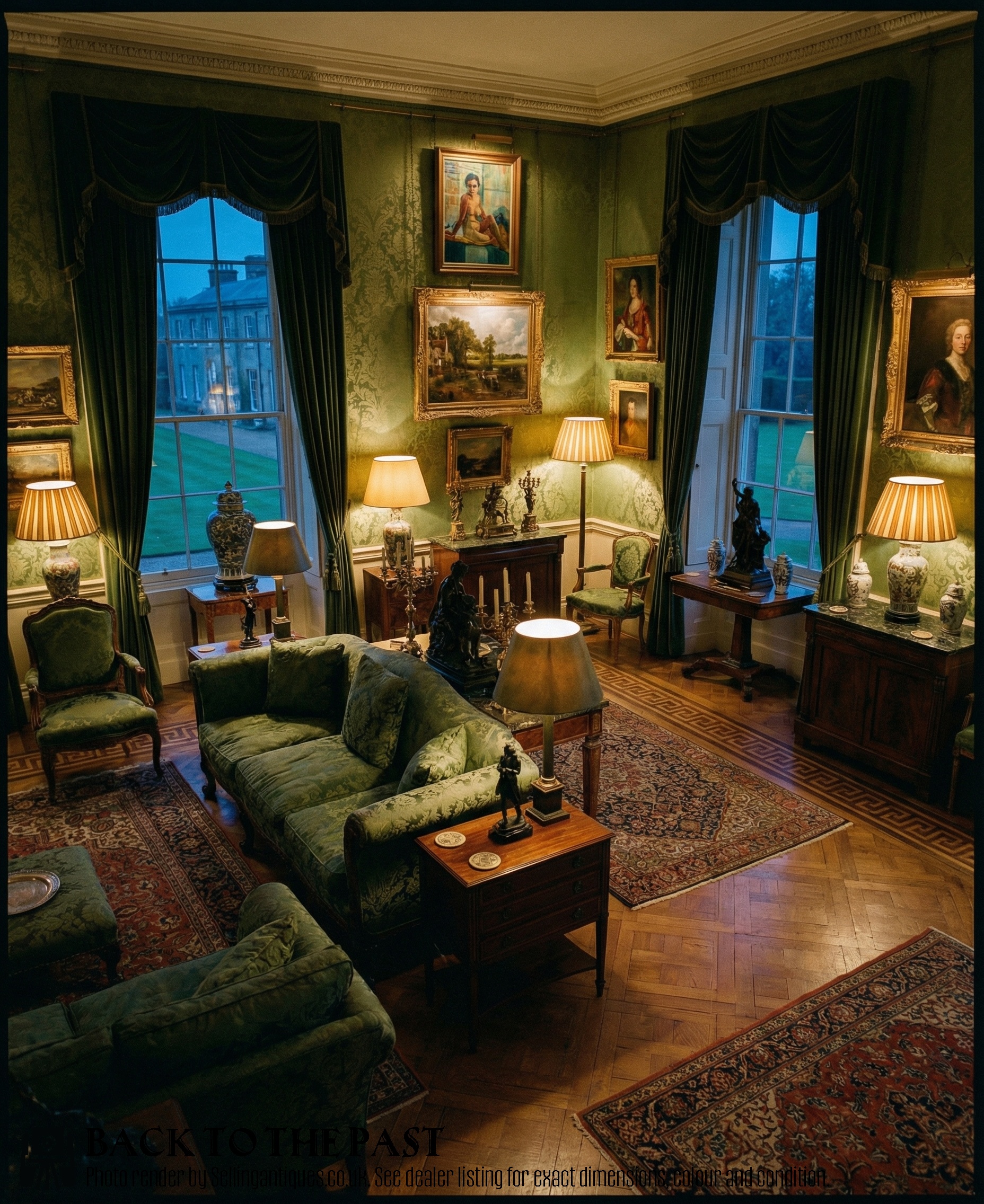
These works suit private spaces like studies, drawing rooms, or bedrooms where the intimate scale and subject matter can be appreciated up close. Position them away from direct sunlight to protect the oil pigments over time.
Pair the framing with existing interior woodwork to anchor the piece visually on the wall.
What is academic realism?
Academic realism refers to the formal painting style taught in nineteenth-century European art academies, emphasising precise drawing and lifelike representation. Artists trained in this manner prioritized correct proportions and sculptural lighting.
Such works often served as preparatory studies or finished exhibition pieces showcasing technical mastery.
Are these works signed by the artist?
Some canvases bear the signature or monogram of the painter, while others remain anonymous studio pieces or historical copies. Unsigned works are evaluated through technique, palette, and canvas preparation.
Attributions to followers or specific schools help identify the historical context of unsigned paintings.