





Vintage Export Ceramics
These vintage export ceramics bring centuries of cross-cultural artistry into your home through finely painted plates, vases, and bowls.
Vintage Export Ceramics
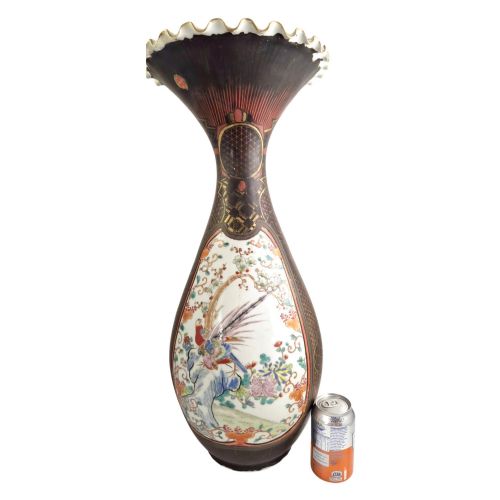
When you search for vintage export ceramics, you encounter pieces made across Asia specifically for international markets, spanning Chinese and Japanese workshops. The selection relies heavily on decorative plates, punch bowls, chargers, and vases originating from the 19th century and early decades of the 20th century.
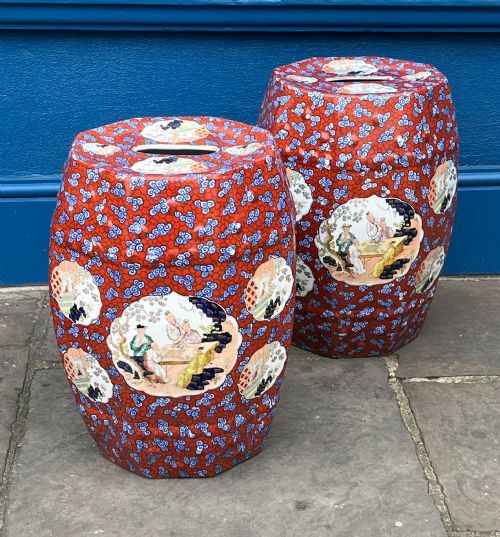
The objects frequently display cross-cultural aesthetic influences, blending traditional Eastern forms with motifs designed to appeal to Western tastes of the Victorian and Edwardian eras. You will encounter familiar shapes adapted for domestic display, such as table lamps, garden seats, and handled baskets alongside traditional vessels.
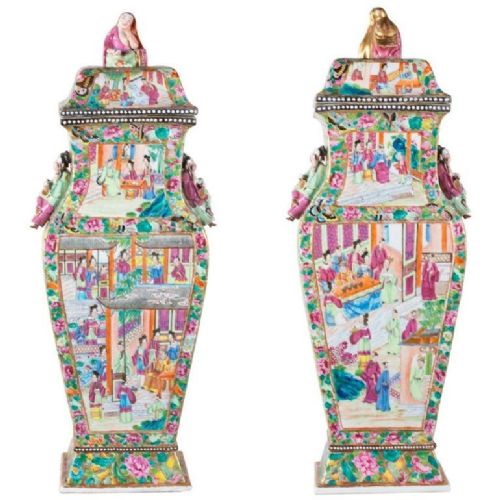
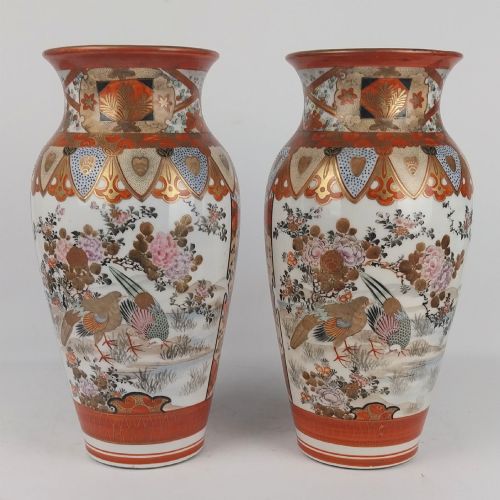
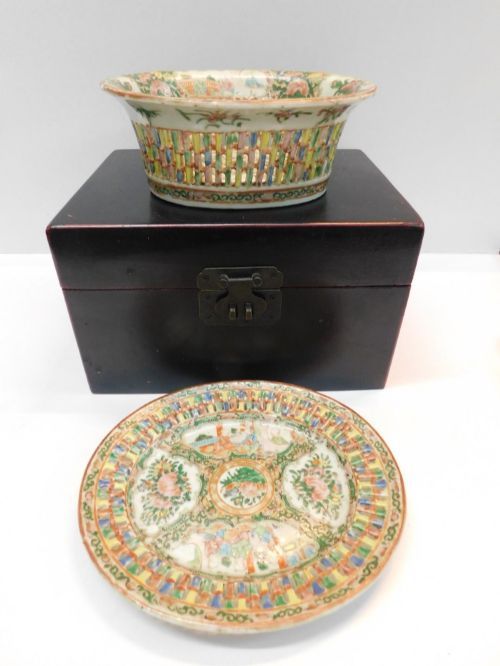
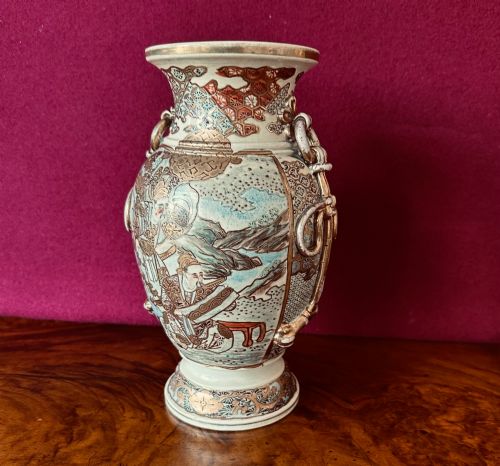
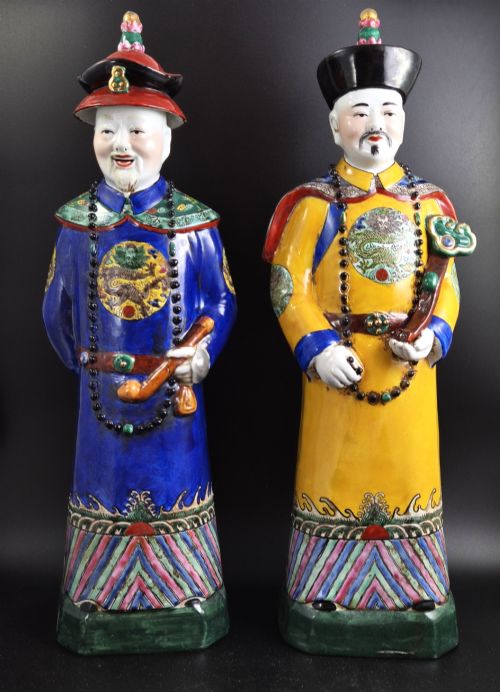
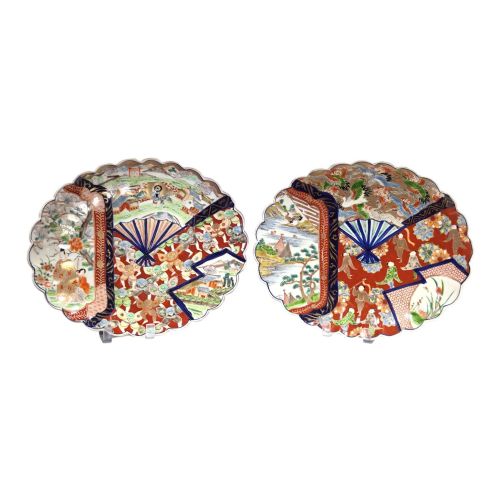
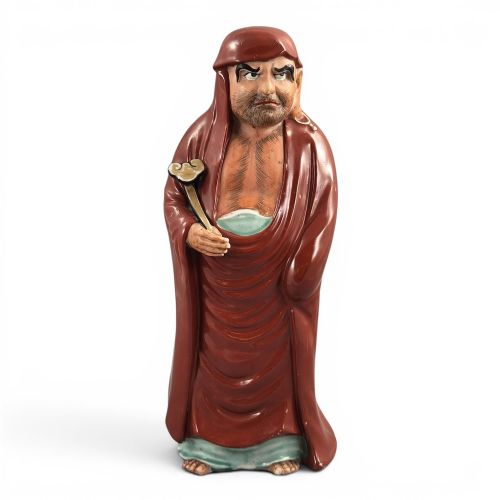
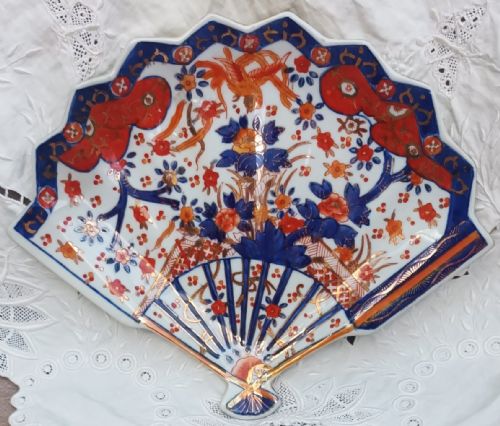
Chinese pieces in this grouping often take the form of Famille Rose, Famille Verte, and Canton export wares, while Japanese examples heavily feature Imari palettes, Satsuma earthenware, and Kutani figures. These forms represent the primary output destined for foreign trade during the late Qing Dynasty and the Meiji period.
Materials and production methods
The manufacture of these pieces centres on high-fired porcelain and earthenware bodies, shaped by hand or moulded before receiving detailed hand-painted decoration. Artisans applied mineral pigments, enamel colours, and occasional gold leaf highlights over or under the glaze to achieve rich surface patterns.
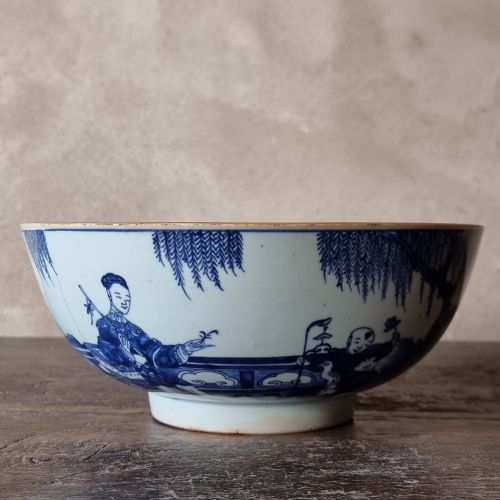
Firing techniques varied from large dragon kilns used for bulk porcelain production to smaller local kilns producing earthenware items like Satsuma ware. Many objects underwent multiple firings to set the cobalt blue underglaze motifs before polychrome enamels and gilding were added.
Vintage Export Ceramics Retail Price Guide 2026
Typical asking prices for vintage export ceramics among the pieces listed under this phrase on Sellingantiques today, from the lower quarter to the upper quarter. They describe what is for sale here now, not the wider market.
Some export decorators added fierce American eagles to traditional Asian punch bowls just to please captains returning from overseas voyages.
Judging the range of quality
Quality in these ceramics rests primarily upon the precision and complexity of the hand painting, where finer brushwork and controlled detailing distinguish superior items. The density and vibrancy of the enamel colours, alongside the careful application of gold leaf, separate standard production pieces from masterworks.
The crispness of the porcelain body and the absence of firing distortions further dictate the standing of a piece within its category. Greater artistic expression in figurative scenes, such as those found on Satsuma bowls or Canton medallion plates, elevates the overall execution.
Fujian Huiguan Mark·Hattori·Taniguchi
The Vintage Export Ceramics Glossary
- Imari
- A style of Japanese porcelain featuring a palette of underglaze blue, iron red, and gold, named after the port of shipment. These wares were widely exported to Europe from the Edo period onward.
- Famille Rose
- A major palette of Chinese porcelain introduced in the Qing dynasty, characterised by an opaque pink enamel derived from colloidal gold. The palette allowed for nuanced shading in floral and figurative motifs.
- Satsuma
- A type of Japanese earthenware featuring a crackled ivory glaze decorated with polychrome enamels and raised gold. It gained massive popularity during the Meiji period for export markets.
- Clobbered
- A practice where older imported blue-and-white porcelain was later decorated with heavy overglaze colours in European workshops. This technique altered the original aesthetic of the ceramic surface.
- Canton
- A style of Chinese export porcelain featuring panelled scenes of figures, birds, and butterflies surrounded by dense floral borders. These items were decorated in workshops situated around the port of Canton.
Vintage Export Ceramics: Frequently Asked Questions
What defines vintage export ceramics?
These pieces represent items produced in Asian countries for trade and sale to Western buyers during the 19th and early 20th centuries.
They combine traditional regional techniques with decorative schemes intended for foreign households.
How were export bowls used?
Large punch bowls and basins served both as functional vessels for communal dining and as decorative display centerpieces in wealthy homes.
Over time, many transitioned into pure display objects to protect their delicate enamel surfaces.
How do I care for these?
Keep these ceramics out of direct sunlight to prevent the overglaze enamels and gold leaf from fading over the years.
Dust them gently with a soft dry cloth and avoid using water or chemical cleaners on gilt surfaces.
How are different periods told?
Dating relies on stylistic shifts, reign marks, and the types of glazes and potting techniques visible on the base of the piece.
Victorian and Edwardian imports often show distinct Western adaptations in their forms compared to earlier dynastic items.