




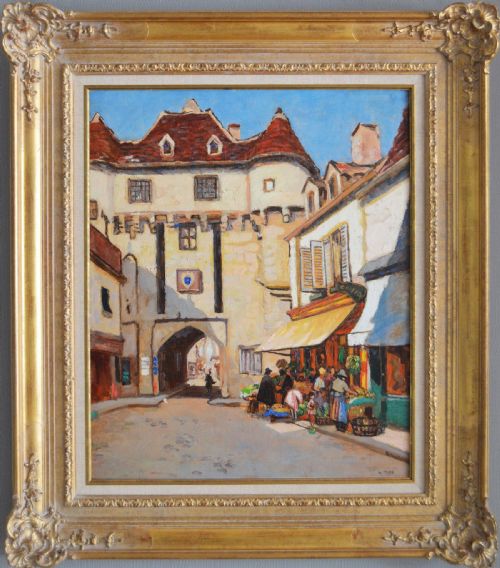
Vintage European Cityscape Art
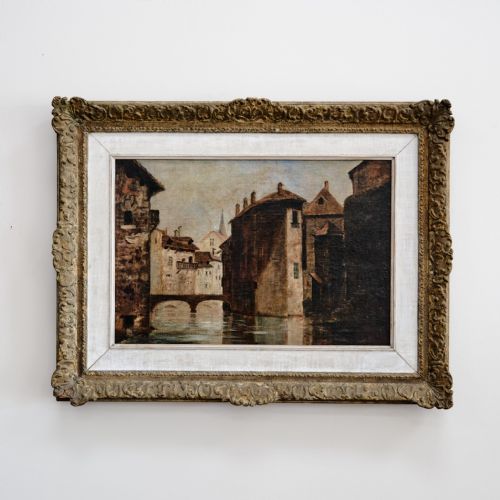
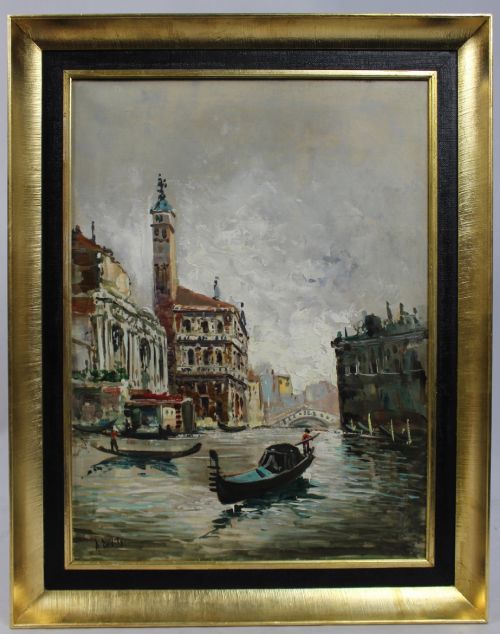
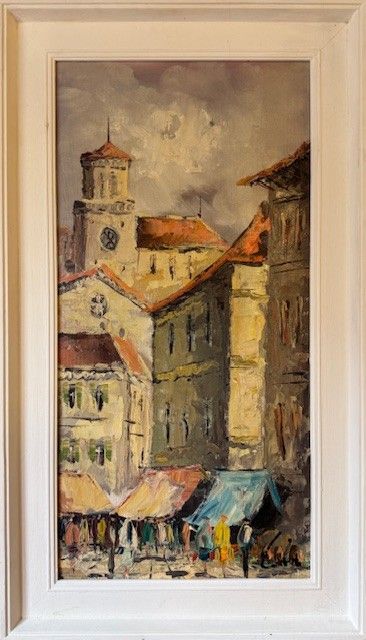
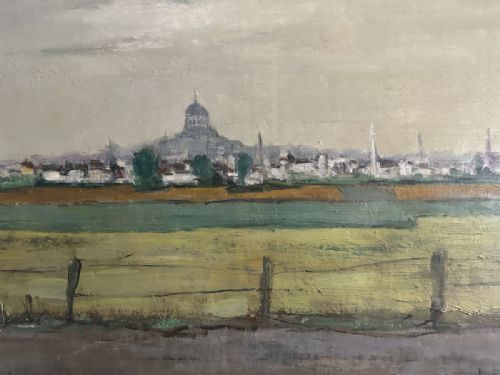
Vintage european cityscape art captures the character of continental streets and canals through the direct touch of oil paint and watercolour.
Vintage European Cityscape Art
Vintage european cityscape art brings urban views and architectural scenes into domestic spaces through painted formats. Buyers encounter oil paintings, watercolours, and wall art spanning the nineteenth century up to the middle decades of the twentieth century.
The selection ranges from French market squares and Venetian canals to German expressionist canal scenes and Parisian riverside views. Works vary from traditional nineteenth century continental studies to mid-century impressionism and expressionist interpretations.
Subjects include specific locations such as Padua, Ghent, Semur, and Notre Dame alongside general figures on bridges and studio interiors overlooking cities. These pieces record historic streets through the hands of named artists like Antonio DeVity, Noel Harry Leaver, and Letitia Marion Hamilton.
How they were made
Artists built these works primarily using oil paint applied to canvas, wood panels, or boards. Many compositions rely on layered brushwork characteristic of impressionist and expressionist techniques.
Certain frames incorporate gesso, gilt, and gold leaf to complement the painted surfaces. Watercolours on paper also appear, utilising fluid pigments to capture light and atmosphere along riversides.
Materials across these listings include oil paint, canvas, wood, gesso, gilt, gold leaf, and watercolour on paper.
What varies in quality
Quality rests in the handling of light, perspective, and architectural detail across the painted surface. Stronger examples demonstrate confident brushwork and atmosphere rather than mechanical reproduction.
The choice of support and framing materials also differentiates the works, with solid wood stretchers and gilt gesso frames marking the upper end of production.
Antonio DeVity·E A Minardo·Job de Vogel·Noel Harry Leaver·Letitia Marion Hamilton
The Vintage European Cityscape Art Glossary
- Impressionism
- A style of painting focusing on light and its changing qualities rather than precise detail. Artists use visible brushstrokes to capture the immediate visual impression of a scene.
- Gesso
- A plaster-like mixture applied to wood or canvas as a base for painting or gilding. It provides a smooth surface for the application of gold leaf and oil colours.
- Expressionism
- A modernist movement where artists seek to emotionalise subjects through distorted forms and bold colours. German practitioners applied this approach to urban and canal views.
- Gilt
- Covered thinly with gold leaf or gold paint. This finish frequently adorns the wooden frames surrounding nineteenth and twentieth-century canvases.
Vintage European Cityscape Art: Frequently Asked Questions
What periods do these cityscapes cover?
The works span from the nineteenth century through the 1920s, 1930s, 1940s, 1950s, and into the 1960s.
Styles shift accordingly from traditional continental school painting to impressionism and mid-century modern abstraction.
How should I hang vintage oil paintings?
Oil paintings on canvas or board suit rooms with stable humidity and indirect sunlight to protect the pigments and wooden supports.
Ensure sturdy wall fixings that match the weight of the frame and canvas.
Are watercolours different from oil paintings?
Watercolours use water-soluble pigments on paper, requiring protective glass framing to prevent moisture damage.
Oil paintings use suspended pigments in oil on canvas or wood, presenting a thicker texture that does not require glass.
How do I identify different regional styles?
Regional characteristics emerge through palette choices and brushwork, such as the expressive mark-making seen in German works or the lighter touch of French impressionism.
Signatures and inscribed locations on the canvas reverse or frame often confirm the exact city depicted.