
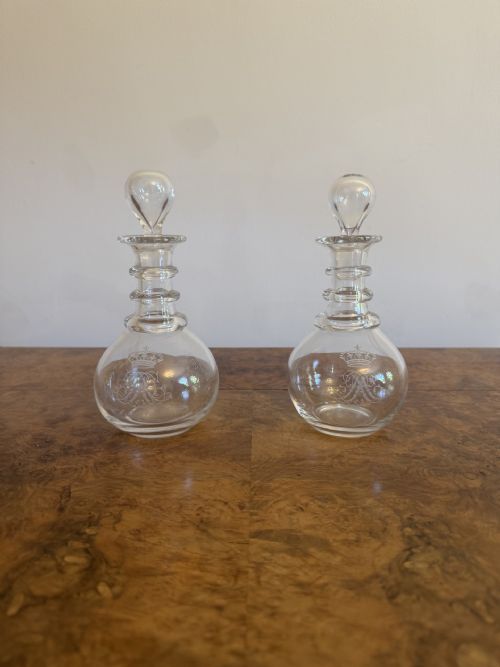



Vintage Etched Glass Decanter
A vintage etched glass decanter brings weight and nineteenth-century or modernist character to a table.
Vintage Etched Glass Decanter
When you search for a vintage etched glass decanter, you encounter vessels designed to hold wine, spirits, or liqueurs. The pieces available span Victorian, Edwardian, and Art Deco periods, taking forms such as claret jugs, spirit bottles, and wine dispensers.
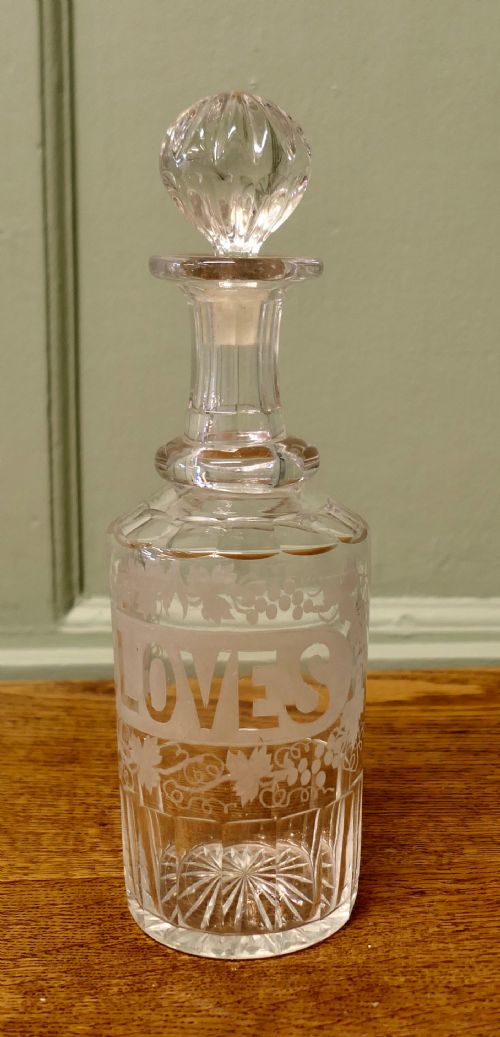
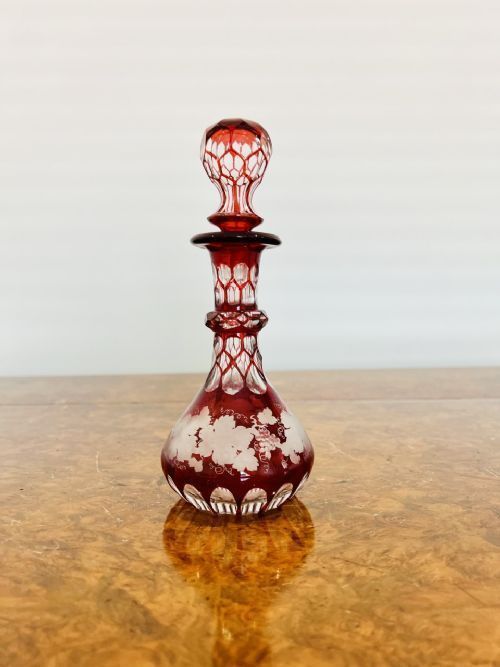
Victorian examples often feature elaborate floral and vine motifs with silver-plated or sterling silver mounts. Edwardian and Art Deco versions introduce ruby glass, cranberry glass, and geometric engraved decoration from the nineteen-thirties.
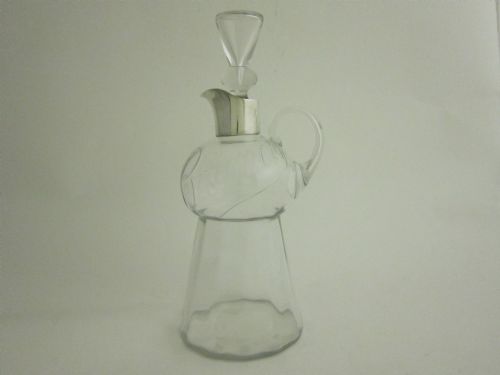
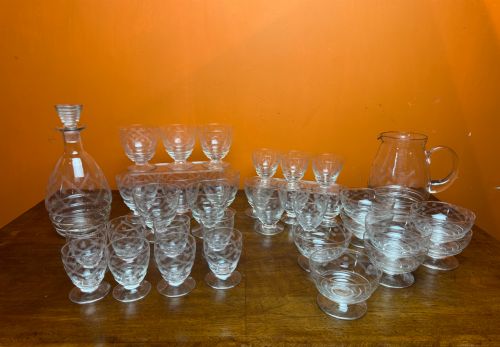
Pairs of decanters and matched sets with drinking glasses appear alongside single hourglass-shaped ewers and silver-mounted wine jugs. These objects combine utility with decorative glasswork from diverse European origins.
Materials and engraving techniques
The body of each piece relies on clear glass, lead crystal, or coloured glass such as ruby and cranberry glass over crystal. Makers shaped these materials through blowing and cutting before applying surface decoration.
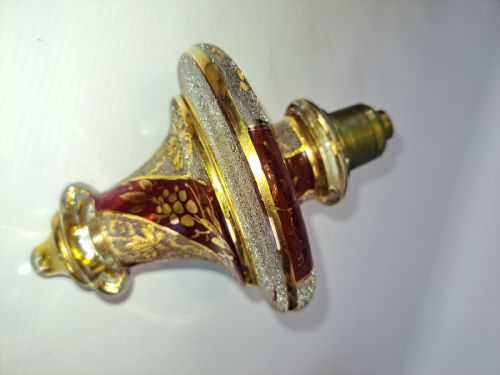
Decoration is achieved through etching, engraving, and gilding directly onto the glass surface. Many vessels are finished with metal mounts, including sterling silver collars, silver-plated handles, brass details, and wrought iron frameworks.
One cheerful item on offer is a figurine top decanter featuring a whimsical little character presiding over the wine.
Distinctions in craftsmanship and materials
Quality rests in the crispness of the glass cutting, the depth of the floral or geometric etching, and the integration of metal mounts. Pieces featuring matched sets or precious metals like sterling silver display higher ambition than simpler glassware.
The choice of coloured glass, such as layered ruby over crystal, and the presence of original stoppers or finials elevate an object. Heavier lead crystal and refined silver-plated mounts distinguish finer production from standard utility items.
Orfèvrerie Produx Saint Hilaire
The Vintage Etched Glass Decanter Glossary
- Etched glass
- Glass decorated by acid or mechanical tools to create frosted designs on the surface. This technique produces detailed patterns like grapes and vines.
- Claret jug
- A pouring vessel specifically intended for red wine, typically fitted with a handle and a hinged metal lid. These often combine cut glass with silver plate.
- Ruby glass
- Deep red glass created by adding gold or copper compounds to the molten batch. It appears frequently in Victorian and Edwardian drinkware.
- Lead crystal
- Glass containing metal oxides that increase weight, brilliance, and resonance. This material allows for deeper and sharper facet cutting.
- Finial
- The decorative knob or stopper at the top of a decanter neck. Original matching stoppers complete the profile of the vessel.
Vintage Etched Glass Decanter: Frequently Asked Questions
How do I date a glass decanter?
Dating relies on the style of the engraving, the shape of the vessel, and the material of any attached mounts. Victorian pieces often display organic motifs and silver plate, while nineteen-thirty examples show geometric lines.
The presence of maker marks on silver collars or specific hues like cranberry glass also helps narrow the production era.
Are these decanters safe for modern wine?
Most glass and crystal decanters function safely for serving wine and spirits. Inspecting the interior for residue and ensuring any silver mounts are clean prepares the vessel for use.
Vintage pieces require hand washing rather than dishwasher cleaning to protect the glass and metal surfaces.
What is the difference between a decanter and a claret jug?
A decanter typically uses a glass stopper to seal the contents and sits flat on a table. A claret jug incorporates a fitted handle and a hinged metal spout for pouring wine directly.
Claret jugs frequently combine cut glass bodies with silver-plated or sterling silver mounts.
How do I identify ruby glass?
Ruby glass exhibits a rich red coloration that penetrates the material, sometimes layered over clear crystal. Holding the piece to the light reveals the depth of the tone.
Victorian and Edwardian makers utilised this coloured glass for decorative decanters and matching glassware suites.