



Vintage Equine Decor
Vintage equine decor brings the character of horses into a room through oil paintings, bronzes, and cast iron pieces.
Vintage Equine Decor
Vintage equine decor covers oil paintings, sculptures, and architectural salvage centred on horses, spanning from the eighteenth century to the mid-twentieth century. These pieces capture the animal form through portraiture, racing scenes, and utilitarian metalwork such as hitching posts.
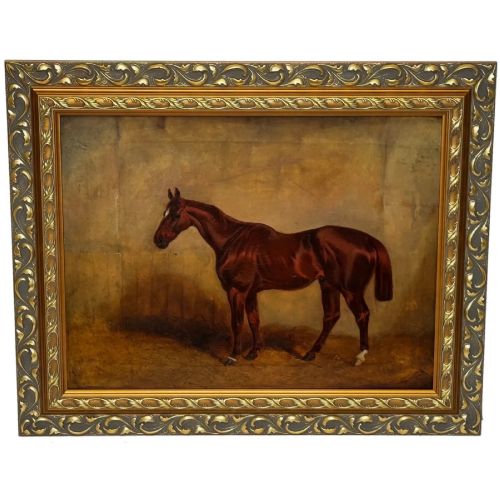
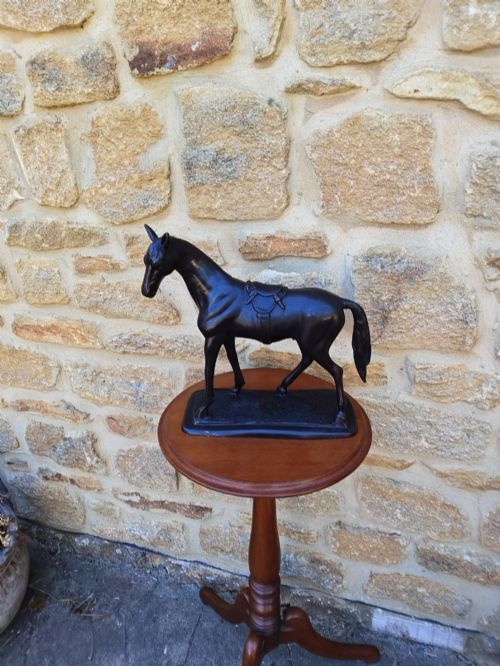
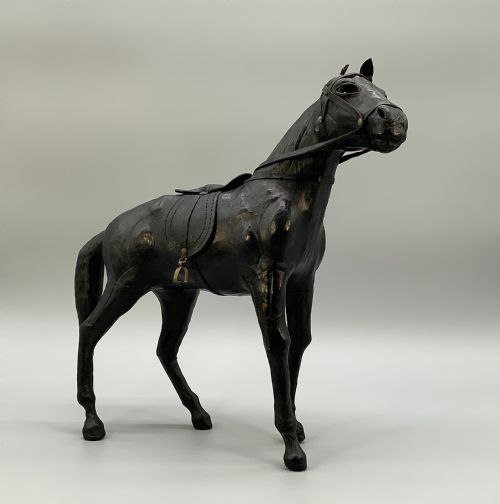
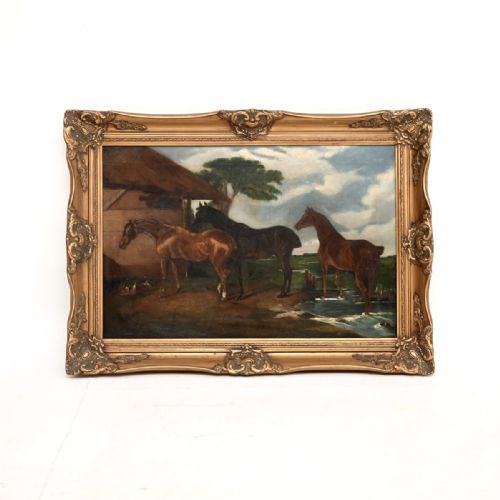
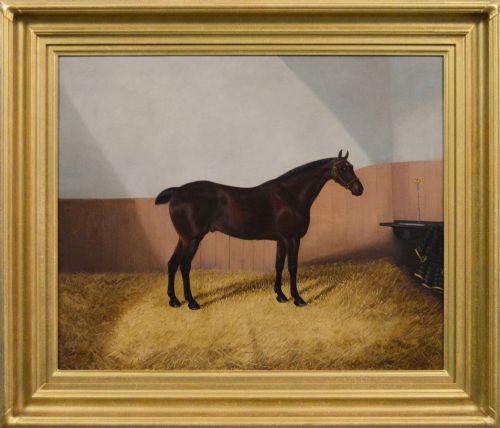
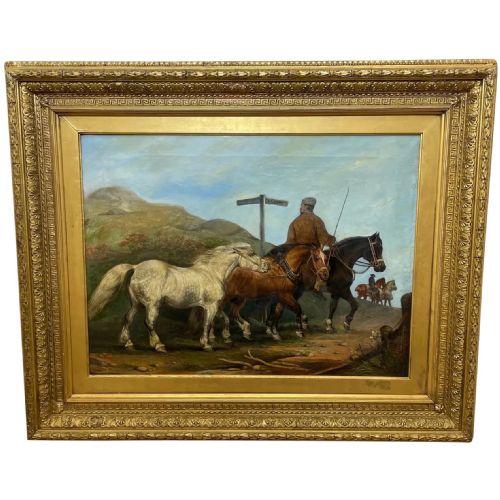
Buyers looking at vintage equine decor will most frequently encounter nineteenth-century oil paintings on canvas depicting bay or chestnut horses in stables or landscapes. Alongside canvas works, bronze sculptures and leather-bound statues represent the animalier and mid-century modern styles present in the collection.
How they were made
Painters used oil on canvas or pine panel, applying pigment to capture the musculature and coat colour of individual horses like chestnut hunters and bay racers. Frames often incorporated gilt wood to complement the painted scenes.
Sculptors cast metal into bronze figures and cast iron hitching posts, while other makers utilised leather bound over forms to create decorative statues in the mid-century period.
Vintage Equine Decor Retail Price Guide 2026
Typical asking prices for vintage equine decor among the pieces listed under this phrase on Sellingantiques today, from the lower quarter to the upper quarter. They describe what is for sale here now, not the wider market.
Listings span from the eighteenth century to the mid-twentieth century, featuring oil on canvas, bronze, and cast iron.
What varies in quality
Quality rests in the anatomical accuracy of the horse and the skill of the artist in rendering light across coat and stable interior. Signed works by documented painters carry greater artistic weight than anonymous studio pieces.
Material execution dictates the permanence of sculptures and architectural salvage, where crisp casting in bronze or iron contrasts with simpler decorative objects.
Charles Bilger Spalding·Albert Clark·Benjamin Cam Norton·William Williams·Edward Lloyd
The Vintage Equine Decor Glossary
- Bay
- A horse coat colour characterised by a reddish-brown body with black points on the mane, tail, and lower legs. This shade appears frequently in nineteenth-century oil portraits.
- Chestnut
- A horse coat colour featuring a reddish-brown hue without black points, seen in specific hunter portraits. Painters used varied tones to distinguish the animal's coat.
- Animalier
- A nineteenth-century artistic style focusing on the realistic portrayal of animals, particularly horses and lions. Sculptors working in this tradition emphasised dynamic movement and physical power.
- Hitching post
- A heavy vertical post, often cast in iron in the Victorian era, designed for tethering horses outside buildings. Surviving examples now function as architectural salvage and garden ornaments.
Vintage Equine Decor: Frequently Asked Questions
What periods do these pieces cover?
The selection spans from the eighteenth century through the Victorian and Edwardian eras into the mid-twentieth century. This timeline includes works dating from the seventeen-nineties up to nineteen-fifty.
Paintings and sculptures reflect the shifting aesthetic preferences of each decade, moving from formal Georgian portraiture to mid-century modern interpretations.
How do I identify a Victorian horse painting?
Victorian horse paintings often depict named horses, racing events, or stable scenes with detailed attention to the animal's conformation and tack. Artists frequently noted the subject's name and owner directly on the canvas or frame.
Signatures by period painters and framing details in gilt wood further help anchor these works in the nineteenth century.
What is the difference between a painting and a bronze?
Paintings utilise oil on canvas or pine panel to render two-dimensional portraits of horses in stables or on roads. Bronzes and cast metals provide three-dimensional representations capturing the physical presence of the animal.
Both forms document equine subjects but employ entirely different artistic techniques and materials.