


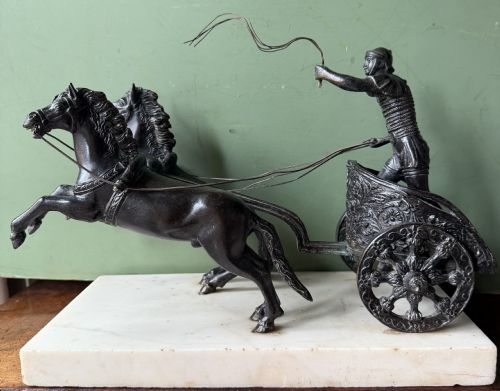
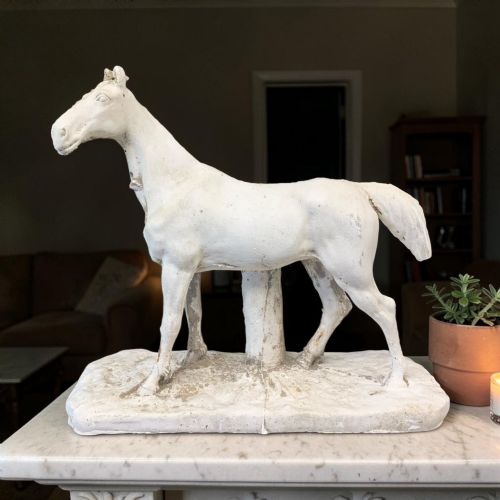
Vintage Equestrian Statue
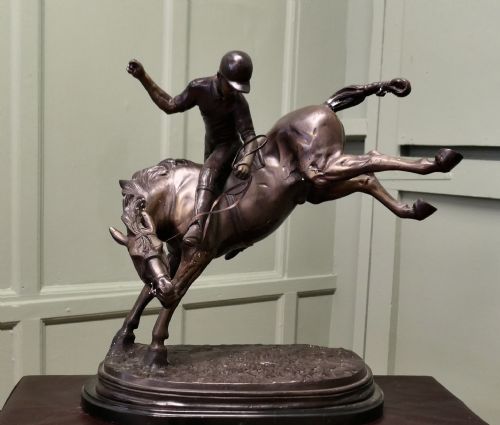
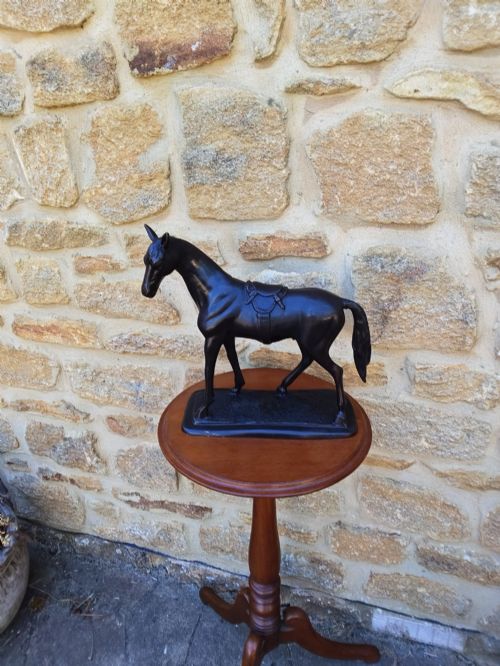
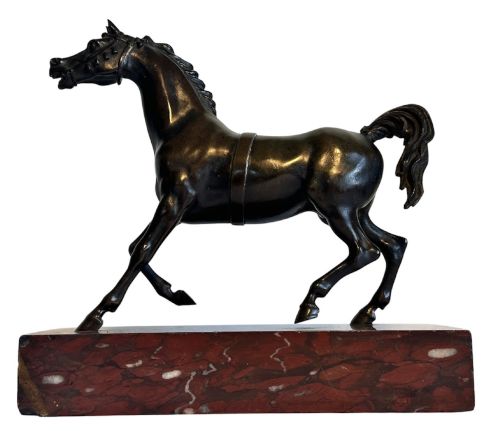
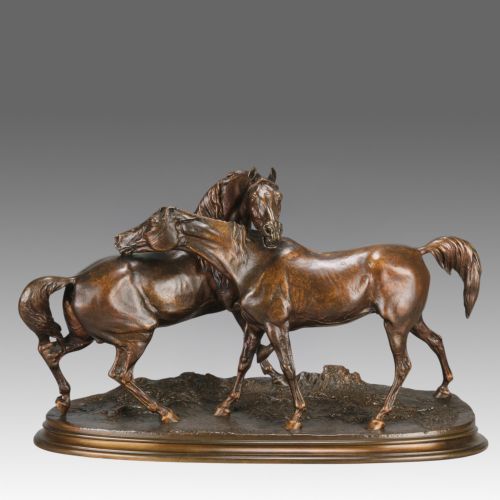
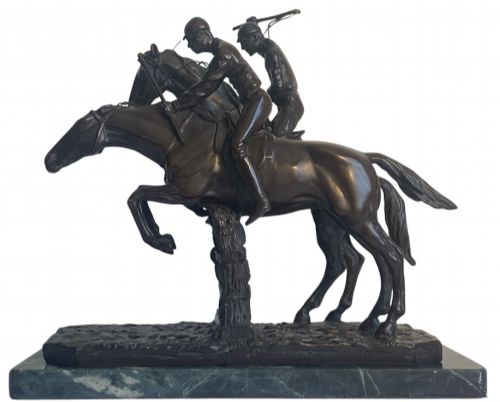
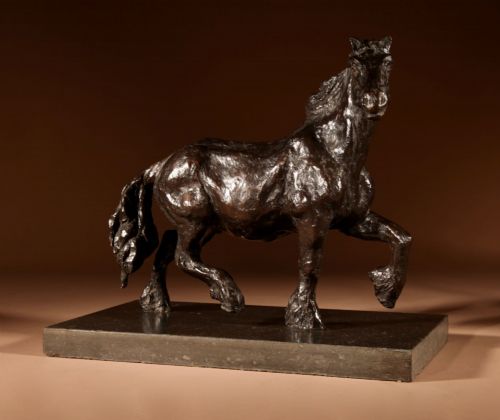
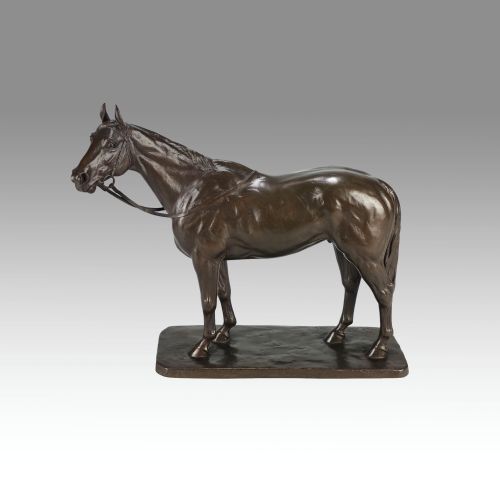
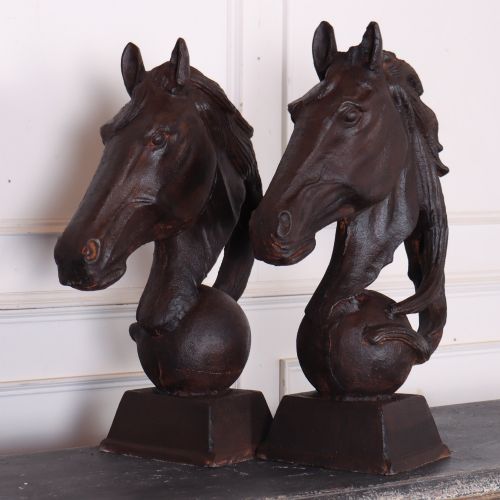
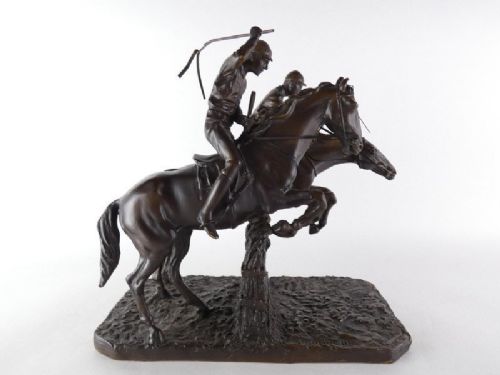
A vintage equestrian statue captures the power and grace of the horse through bronze, wood, or cast iron.
Vintage Equestrian Statue
A vintage equestrian statue represents horses, riders, and animalier scenes produced across the nineteenth and twentieth centuries.
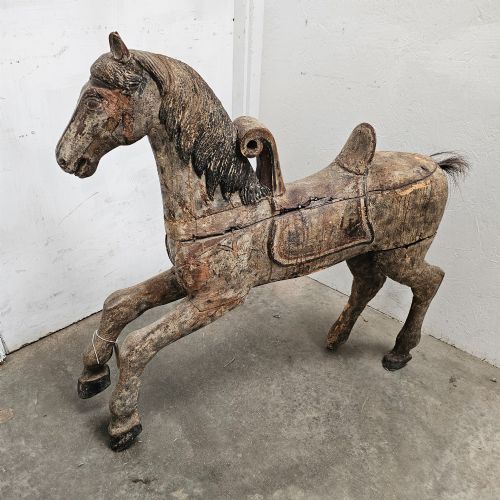
Buyers meet pieces ranging from French bronze sculptures and Italian Grand Tour souvenirs to cast iron doorstops and carved wooden carousel figures.
The selection includes decorative figurines, desk tidies, and large studio models spanning periods from the Victorian era through the art deco years.
How They Were Made
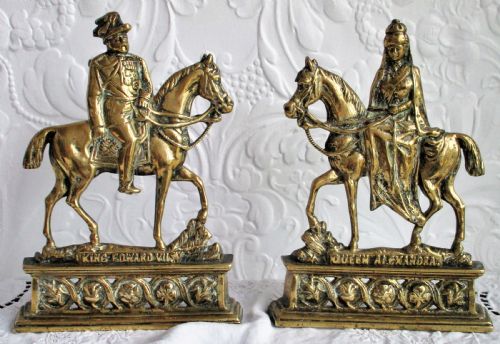
Foundry workers cast metals utilising bronze, brass, and cast iron, frequently mounting heavier figures upon marble bases.
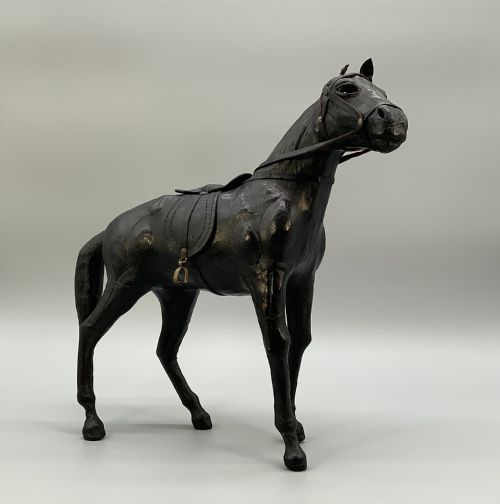
Artisans carved materials including wood and specimen marble, while craftspeople shaped leather over rigid structures for large models.
Potters utilised glaze techniques on ceramic figures, and studios produced cold painted bronze works.
The listings include bronze, marble, wood, brass, leather, glaze, metal, and cast iron.
What Varies in Quality
Detail in anatomical rendering and surface chasing separates standard decorative castings from masterworks by known sculptors.
The integrity of patination and the quality of the base material, such as genuine marble or stitched leather, determine the distinction between ordinary items and finer studio pieces.
P J Mêne·Jules Bonheur·Kunio Itô·Isidore Jules Bonheur·Luigi Secchi·Pierre Lenordez·Sakai Kōzan·Xavier Raphanel
The Vintage Equestrian Statue Glossary
- Animalier
- A nineteenth-century artistic movement dedicated to the realistic depiction of animals, particularly horses and hounds in motion.
- Cold painted
- A method where bronze figures receive non-fired oil paint applied over a metallic base.
- Grand Tour
- A traditional journey through Europe undertaken by upper-class travellers, yielding small bronze and marble souvenirs.
- Hitching post
- A sturdy post, often cast in iron with a horse head design, utilised historically for securing horses.
- Specimen marble
- Multi-coloured decorative stone assembled from various geological samples to form plinths or carved studies.
Vintage Equestrian Statue: Frequently Asked Questions
What materials are vintage equestrian statues made from?
These sculptures utilise bronze, cast iron, brass, wood, marble, and leather across various periods.
Some pieces also incorporate ceramic glazes or cold painted finishes.
How do I identify an animalier bronze?
Animalier bronzes focus specifically on realistic animal forms, often showing horses in dynamic motion or natural postures.
These works frequently originate from nineteenth-century French or Italian schools and may bear a founder or artist signature.
Where were leather horse sculptures made?
Large leather models appear from makers such as Liberty and Co during the early twentieth century.
Craftsmen stretched and stitched leather over internal armatures to create substantial decorative figures.
How are cast iron horse pieces used?
Cast iron examples serve as doorstops, chimney ornaments, or hitching posts depending on their original function.
Their heavy weight made them practical for holding doors or securing animals.