


Vintage Equestrian Sculpture
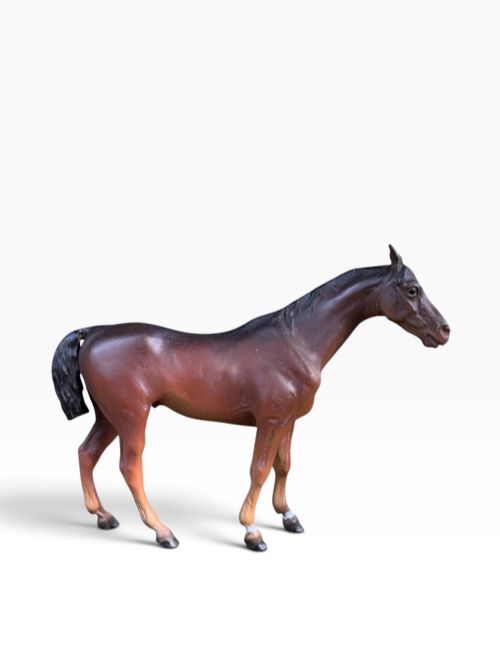
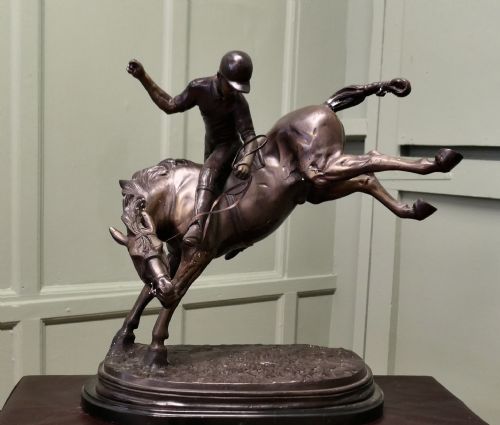
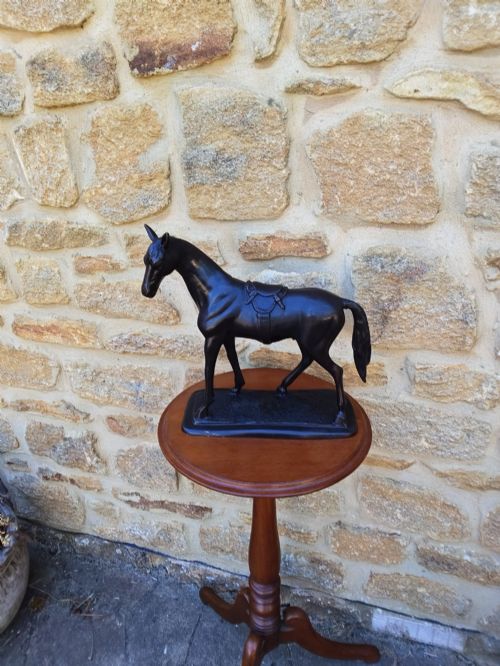
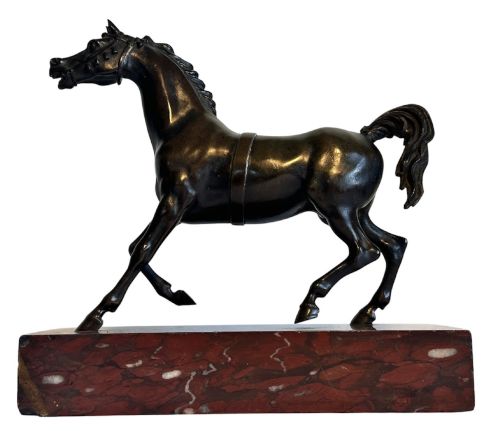
These pieces capture the power and form of horses through vintage equestrian sculpture, bringing enduring kinetic energy and craftsmanship into a room.
Vintage Equestrian Sculpture
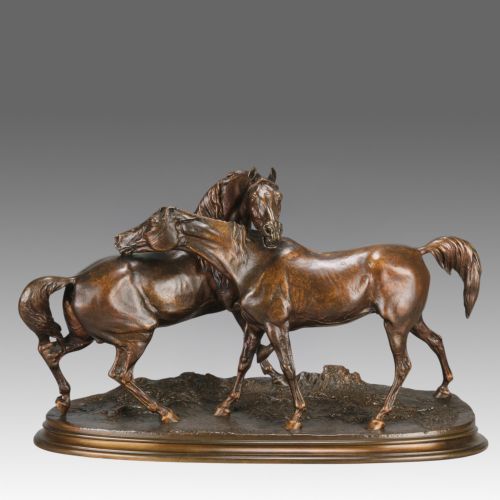
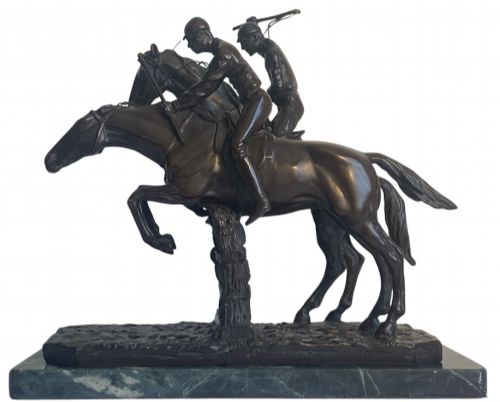
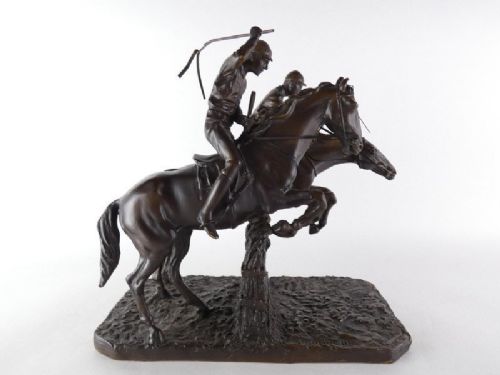
Vintage equestrian sculpture encompasses depictions of horses, riders, and racing subjects produced across the nineteenth and twentieth centuries.
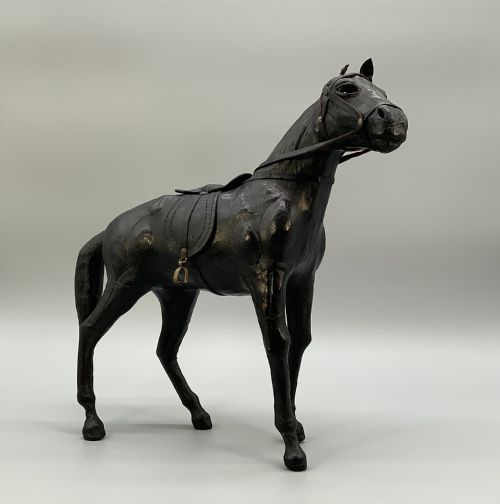
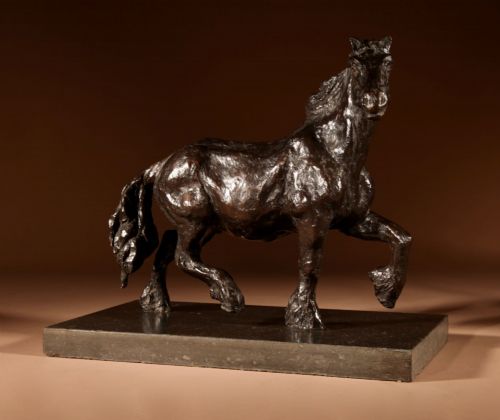
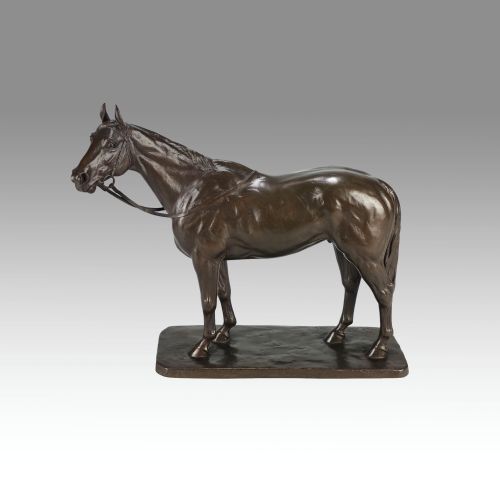
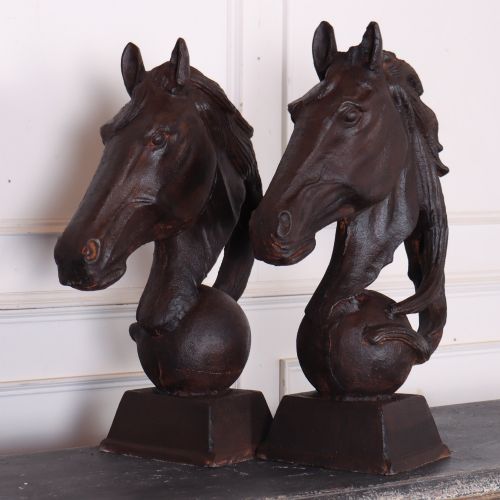
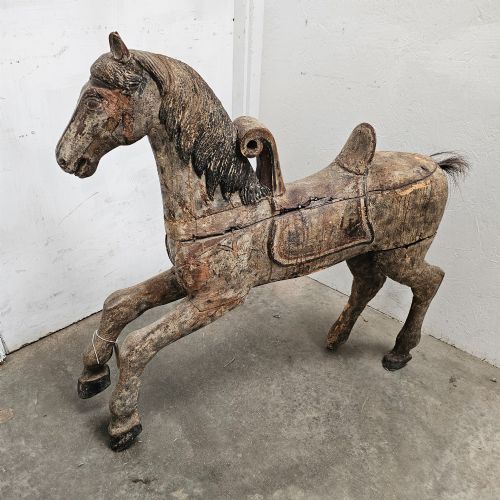
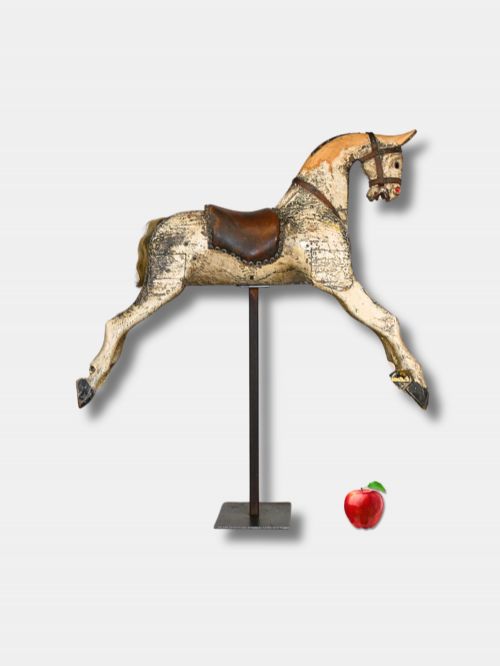
The selections span bronze castings, carved wooden carousel animals, cast iron hitching posts, and leather-bound decorative figures.
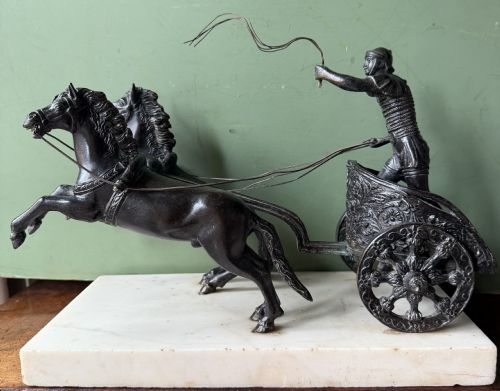
Origin points range from French animalier studios and English workshops to Italian Grand Tour souvenirs and Japanese foundries.
Materials and Techniques
Foundries utilised traditional bronze casting methods, frequently mounting heavy metal figures upon polished marble bases.
Woodcarvers shaped solid blocks into rocking horses and draught stallions, occasionally applying original paint or leather coverings over internal structures.
Listings feature materials spanning bronze, marble, leather, cast iron, and wood across the nineteenth and twentieth centuries.
Craftsmanship and Detail
Quality rests upon the precision of muscular definition, anatomical accuracy, and the crispness of surface chasing on metal castings.
Carved wooden examples rely on the integrity of the original paint layers and the natural grain handling executed by the maker.
P J Mêne·Jules Bonheur·Kunio Itô·Pierre Lenordez·Sakai Kōzan
The Vintage Equestrian Sculpture Glossary
- Animalier
- A nineteenth-century artistic movement dedicated to the realistic portrayal of animals, particularly associated with French bronze sculptors.
- Grand Tour
- A traditional trip through Europe undertaken by upper-class scholars, resulting in souvenir bronzes such as classical charioteer studies.
- Patina
- The surface coloration and sheen developed naturally over decades or applied chemically to metals like bronze and brass.
- Cast Iron
- A robust alloy poured into moulds to create heavy architectural and garden elements, including functional horse head hitching posts.
- Sancai
- A traditional three-colour lead glaze used on pottery figures, seen on Chinese Tang Dynasty style ceramic horse sculptures.
Vintage Equestrian Sculpture: Frequently Asked Questions
How do I care for bronze sculptures?
Keep metal surfaces clean by dusting them gently with a soft dry cloth. Avoid using harsh chemical polishes that might strip the historic surface patina.
Place the sculpture away from direct moisture and extreme temperature fluctuations to protect both the metal and any underlying marble bases.
Where were these sculptures displayed?
Desk figures and small bronzes traditionally occupied libraries, studies, and offices as paperweights or decorative desk accessories.
Larger statues and cast iron elements stood in hallways, gardens, or grand rooms to signal an appreciation for equestrian pursuits.
How do I date a wooden rocking horse?
Examine the construction joints, nails, and the wear patterns on the wooden rockers. Hand-carved details and original paint layers often point to nineteenth-century folk traditions.
Check for maker labels or stamps underneath the body, though many pieces from provincial workshops remain unsigned.
What is an animalier bronze?
Animalier bronzes are nineteenth-century sculptural works focused specifically on the dynamic anatomy and behaviour of animals. These pieces were cast in specialised foundries, primarily in France.
Artists aimed for absolute realism, capturing horses in mid-stride, jumping hurdles, or standing at rest with accurate muscle tension.