




Vintage Equestrian Jewellery
Vintage equestrian jewellery brings together the worlds of field and fashion through brooches, pendants, and charms crafted in gold and silver.
Vintage Equestrian Jewellery
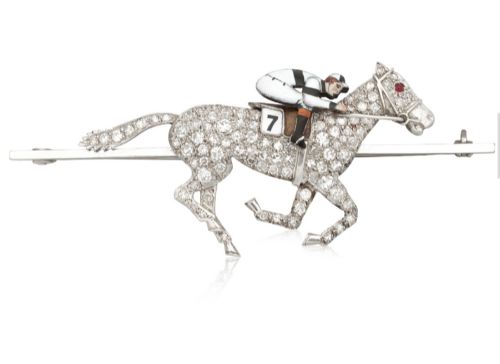
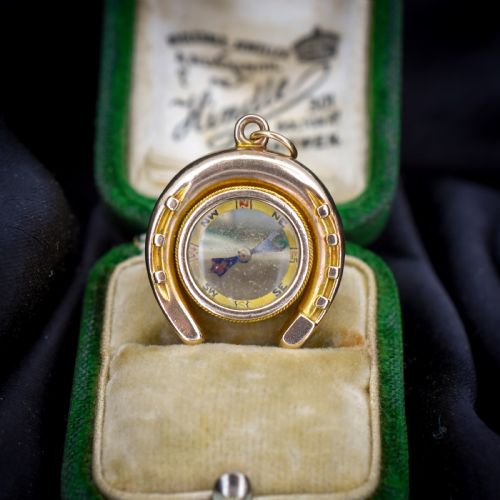
Vintage equestrian jewellery encompasses wearable pieces shaped by riding, hunting, and rural sports from the Victorian era onward. When searching for vintage equestrian jewellery, collectors encounter items ranging from simple stick pins to elaborate gemstone necklaces.
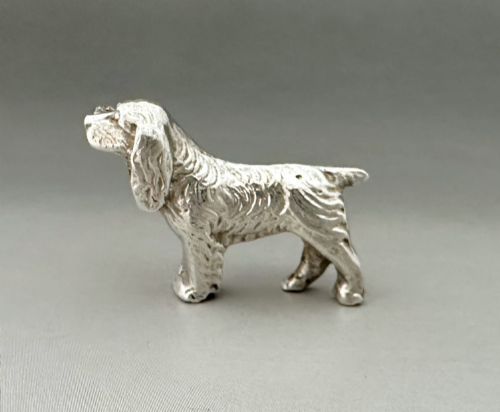
Pieces span the nineteenth century through to the mid-twentieth century, capturing the enduring appeal of equine and canine subjects. Buyers find both delicate charm pendants and substantial brooches set with pearls and diamonds.
How they were made
Maker's methods rely on precious metals including nine-carat, fifteen-carat, and ten-carat gold, alongside sterling silver and bronze. Metal components are cast, chased, or engraved to replicate horseshoes, riding crops, and hunting horns with precision.
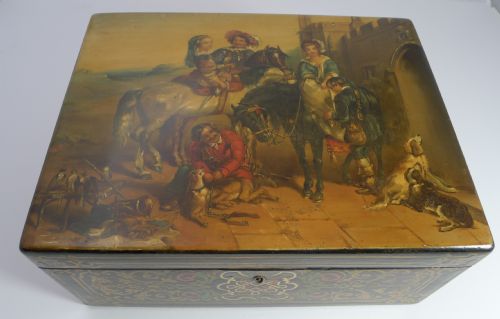
Gemstone setting involves diamonds, natural seed pearls, and carved hardstones such as black onyx, tourmaline, and Essex crystal. Jennens & Bettridge pieces utilise papier-mâché foundations decorated with hand-painted scenes for larger containers.
Specialist techniques include reverse-intaglio crystal painting, where artisans carve and paint subjects like fox heads beneath a domed quartz crystal. Cameos feature carved shell or stone profiles mounted in secure bezels.
Listings feature items from the Victorian, Edwardian, and mid-twentieth-century periods, utilising gold, silver, bronze, pearls, and diamonds.
What varies in quality
Quality rests on the fineness of the metalwork, the clarity of hand-painted details, and the integrity of the gemstone settings. Superior examples display crisp chasing on gold and silver without smoothing to the relief work.
Signed items and pieces from notable makers demonstrate higher standards of lapidary work and stone selection, particularly in diamond and pearl arrangements. The subtlety of miniature painting on Essex crystal distinguishes finer works from standard production.
Chaumet·Jennens & Bettridge
The Vintage Equestrian Jewellery Glossary
- Essex crystal
- A reverse-intaglio technique where an artisan carves the back of a rock crystal cabochon and paints it to create a three-dimensional image. These miniature paintings typically depict hunting dogs, horses, or wildlife.
- Stick pin
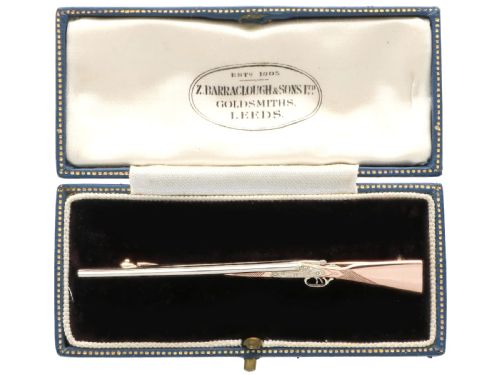
- A long pin with a decorative head, worn upright in a cravat, lapel, or tie. Equestrian examples frequently showcase horseshoe or hunting horn motifs.
- Seed pearl
- A very small, naturally occurring pearl, often drilled and sewn or threaded onto fine wire. Victorian horseshoe brooches make extensive use of these tiny pearls.
- Cameo
- A gemstone, shell, or hardstone carved in relief to project from a background. Equestrian pieces utilise these to portray horse heads in profile against dark stones.
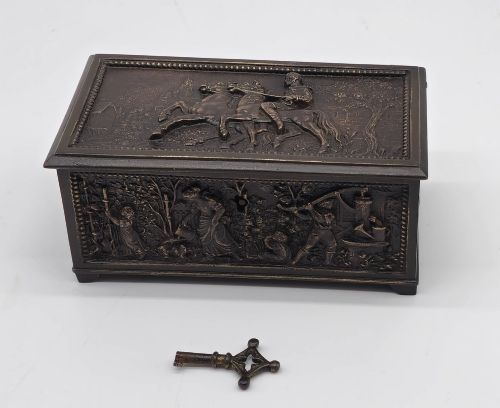
- Bronze jewellery casket
- A small metal box or container designed for storing small valuables, cast in bronze and decorated with rural or sporting scenes.
Vintage Equestrian Jewellery: Frequently Asked Questions
What periods do these pieces come from?
The pieces span from the mid-nineteenth century through the Edwardian period and into the mid-twentieth century. Victorian examples often incorporate natural seed pearls and yellow gold.
Later items from the mid-twentieth century include playful charms and signed designer necklaces utilising carved gemstones and diamonds.
How were stick pins worn?
Stick pins were traditionally secured vertically through neckties, cravats, or lapels by gentlemen and women during outdoor pursuits. The sharp end was kept secure with a matching cap or clutch.
Today, they transition easily to lapels, hats, or heavier knitwear as decorative accents.
What materials are common in these items?
Gold in various purities, including nine-carat, ten-carat, fifteen-carat, and standard gold, forms the foundation for many brooches and pendants. Sterling silver and bronze also appear frequently.
Gemstones such as diamonds, seed pearls, black onyx, and tourmaline complement the metalwork alongside hand-painted Essex crystals.
How do I care for antique equestrian jewellery?
Precious metals and hardstones benefit from gentle cleaning with a soft cloth and warm soapy water where appropriate. Items containing Essex crystals or glued pearls require extra caution to avoid moisture damage.
Storing pieces individually prevents scratching between harder gemstones and softer metals.