


Vintage Equestrian Accessory
A vintage equestrian accessory brings the tangible heritage of the field and stable directly into daily interior spaces.
Vintage Equestrian Accessory
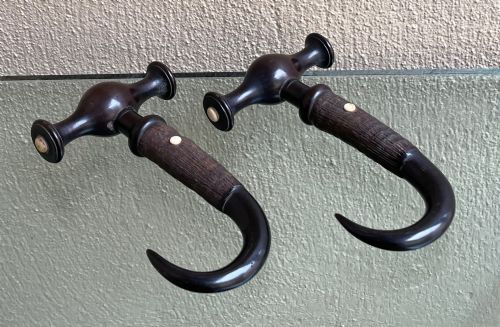
A vintage equestrian accessory encompasses functional and decorative items shaped by horse culture, from riding and hunting traditions to domestic desk organisation. Buyers seeking a vintage equestrian accessory encounter objects designed for practical use, such as boot jacks, shoe pulls, inkstands, napkin rings, and pocket trays.
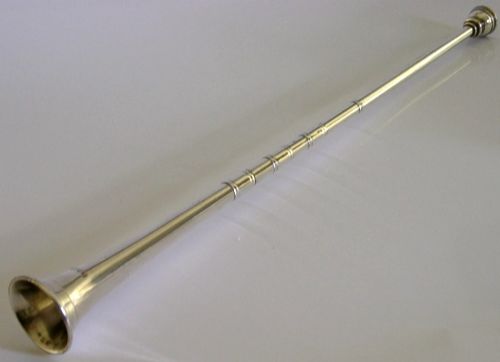
The selections span distinct periods including the Georgian, Victorian, and Edwardian eras, alongside later twentieth-century mid-century designs. Domestic items modelled as horseshoes, stirrups, hunting horns, and riding caps form the core of the items seen on this page.
Makers and retail houses such as Hermes of Paris, Sampson Mordan, and Braham contributed sophisticated novelty silver and desk accessories to this tradition. Utility pieces like oak boot jacks and beech boot stretchers sit alongside silver table lighters and bronze paperweights.
What varies in quality
Quality in these pieces rests upon the precision of sculptural modelling and the integrity of the underlying materials. Items cast in solid sterling silver or heavy bronze display crisp anatomical definition in animal heads and tack details, whereas lesser examples lose subtlety in finishing.
Construction methods determine durability in functional items like wooden boot jacks, brass doorstops, and leather shoe stretchers. Well-preserved maker marks, clear hallmarks, and original cased sets elevate pieces produced by recognised silversmiths above standard utility wares.
Listings feature sterling silver, silver plate, oak, walnut, beech, velvet, and silk across periods spanning the Georgian era to mid-century modern design.
Braham·Sampson Mordan·Hermes Paris·A Wilcox·Maxwell London
The Vintage Equestrian Accessory Glossary
- Boot Jack
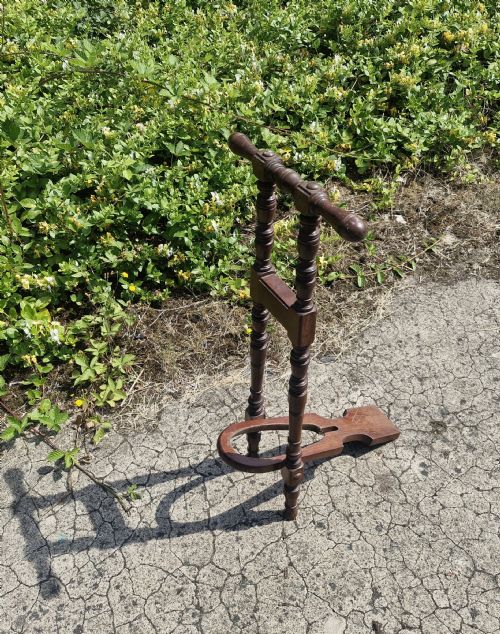
- A small device with a V-shaped mouth used for pulling off riding boots without bending down. These functional items appear in oak, walnut, and cast iron.
- Stirrup Cup
- A traditional drinking vessel offered to riders before a hunt, which inspired various silver napkin rings, place holders, and desk novelties shaped like stirrups.
- Vide Poche
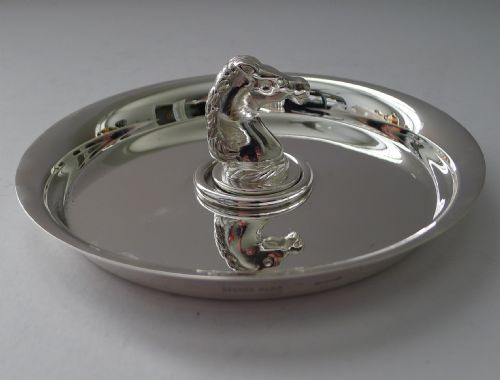
- A small tray or dish placed in an entryway for emptying pockets of small items. Luxury houses like Hermes produced silver-plated and novelty horse head versions.
- Table Lighter
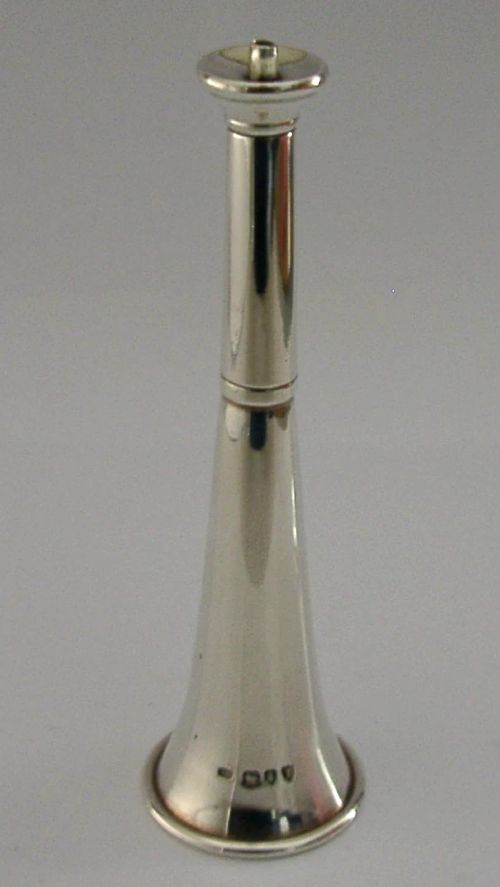
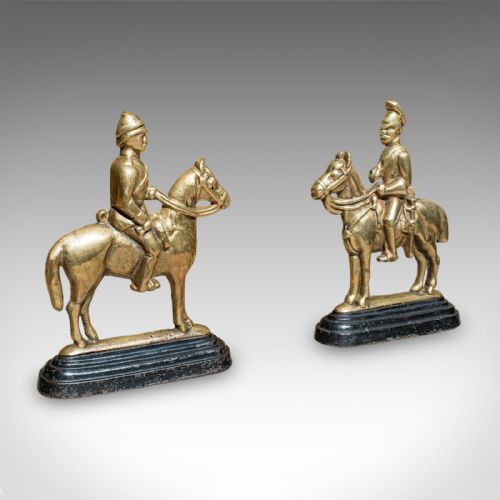
- A decorative mechanical lighter designed for indoor smoking use on a table or desk. Examples often take figural forms such as hunting horns or historical figures.
- Boot Tree
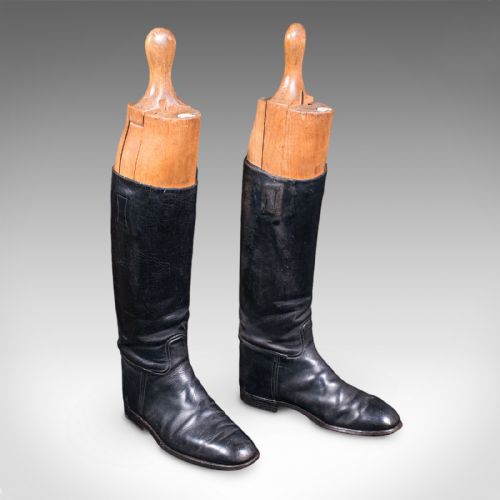
- Wooden blocks inserted into riding boots to maintain their shape and absorb moisture after wear. Beech and other timbers are shaped specifically for this maintenance task.
Vintage Equestrian Accessory: Frequently Asked Questions
What defines an equestrian accessory?
An equestrian accessory is an object connected to horse riding, stable management, or hunt culture, translated into decorative or functional items for the home. These range from heavy brass doorstops and leather boot stretchers to silver desk weights and novelty card cases.
Items often incorporate motifs such as horse shoes, stirrups, hunting horns, and riding boots. They serve as tangible links to historical country pursuits.
How were silver napkin rings styled?
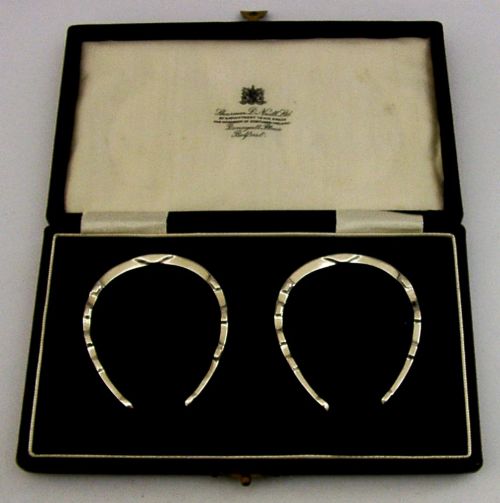
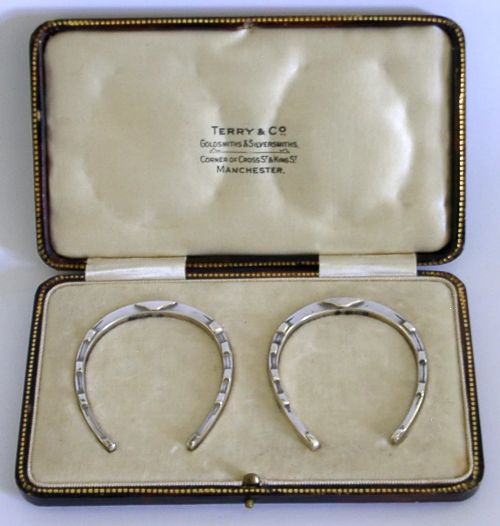
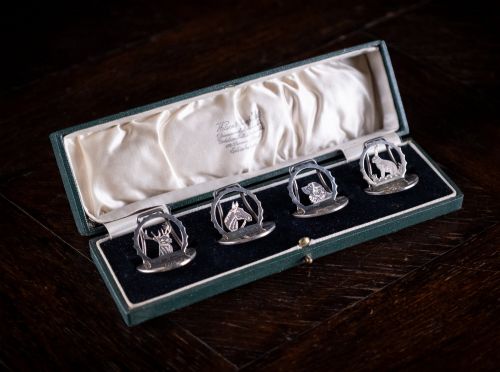
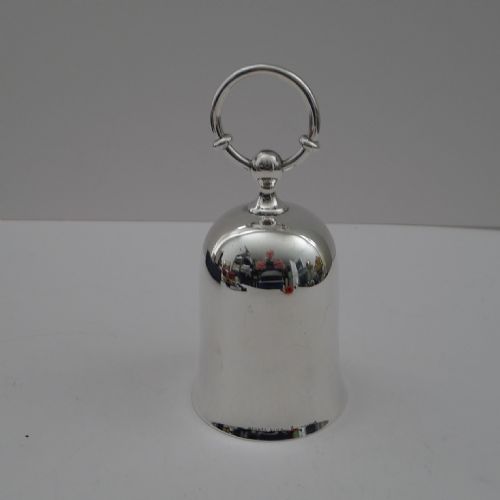
Silver napkin rings associated with this tradition are frequently modelled directly as horseshoes or suspended stirrups. Makers cast and chased solid sterling silver to replicate the texture of metal hardware.
These sets often survive in their original fitted cases, bearing clear hallmarks from English assay offices dating to the early twentieth century.
Where were boot jacks used?
Boot jacks were standard equipment in country houses, estate halls, and military campaign tents for removing tight leather riding boots. Users stepped on the base with one foot while trapping the heel of the opposite boot in the V-shaped notch.
Examples span from folding walnut and oak versions intended for travel to heavy decorative bronze pieces kept permanently by the hearth.
What materials appear most often?
The materials divide cleanly between utilitarian items and luxury desk wares. Hardwoods like oak, walnut, and beech provide the foundation for boot stretchers, shoe pulls, and letter clips.
Precious metals including sterling silver, silver plate, and bronze dominate the smaller decorative items, alongside glass, horn, leather, and occasional tortoiseshell trim.
How should these pieces be displayed?
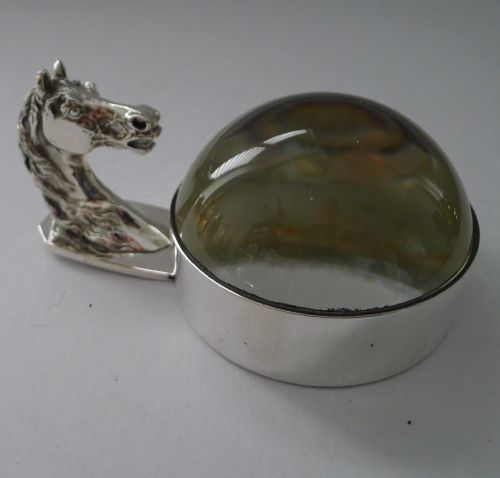
These items integrate naturally into studies, libraries, and hallways where their metallic or wooden textures complement traditional interiors. Desk accessories like inkstands, paperweights, and magnifying glasses function precisely as intended while adding period character.
Larger items such as fire backs, doorstops, and boot jacks work well in active living spaces, grounding the room in traditional English country house aesthetics.