

Vintage English Tableware
Vintage english tableware brings together centuries of dining culture through silver service, painted ceramics and blown glass.
Vintage English Tableware
Vintage english tableware spans a wide domestic landscape from formal dining services to single serving pieces. When you search for vintage english tableware, you encounter items made for the table across multiple British periods, from Georgian earthenware to Art Deco silver.
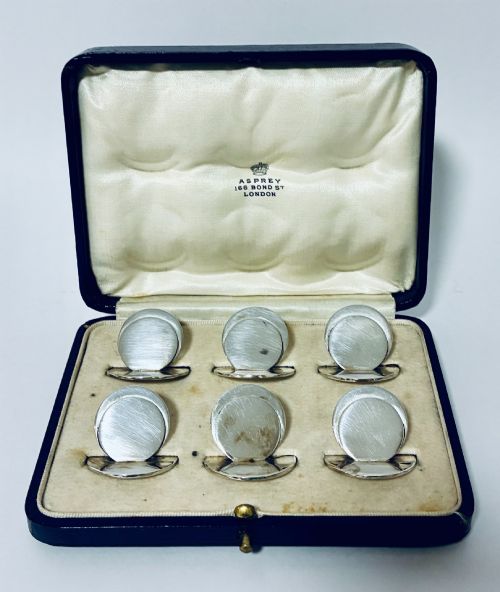
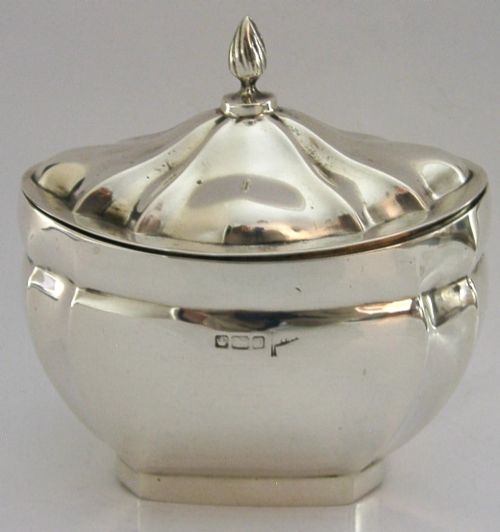
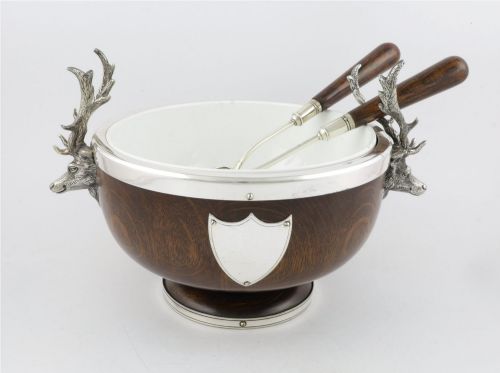
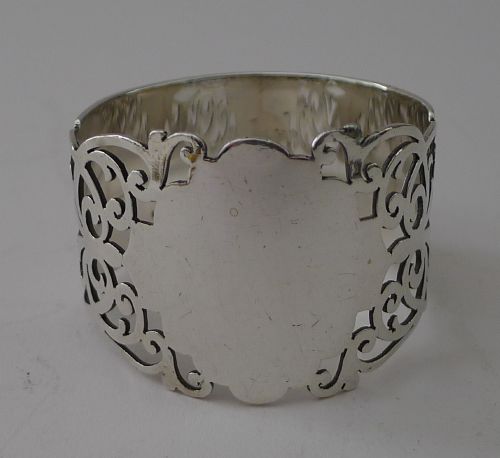
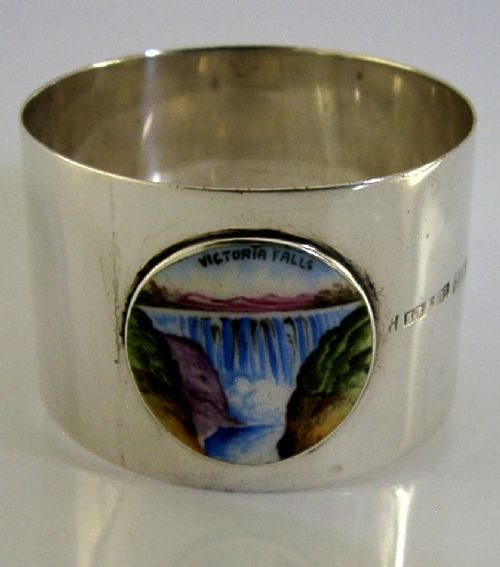
The objects on this page range from complete dinner services and dessert sets to individual items like toast racks, napkin rings, sauce boats and menu holders. Silverware and ceramic plates dominate the selection, reflecting the practical needs of traditional dining rooms.
How they were made
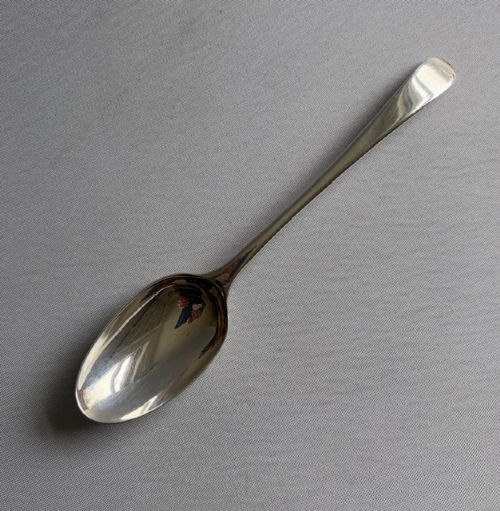
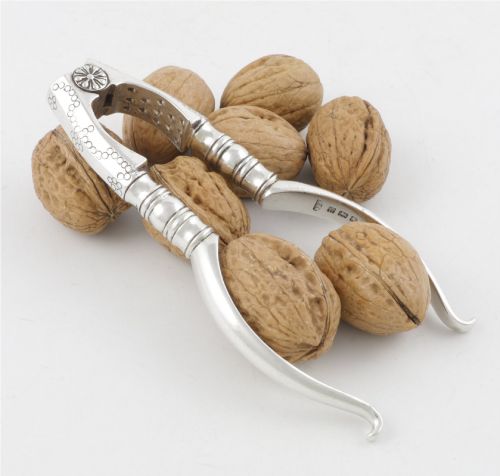
Metal items rely on solid sterling silver, pewter and gold leaf, shaped through casting, hammering and detailed engraving. Makers utilised traditional techniques such as intaglio engraving on green wine glasses and applied enamel work.
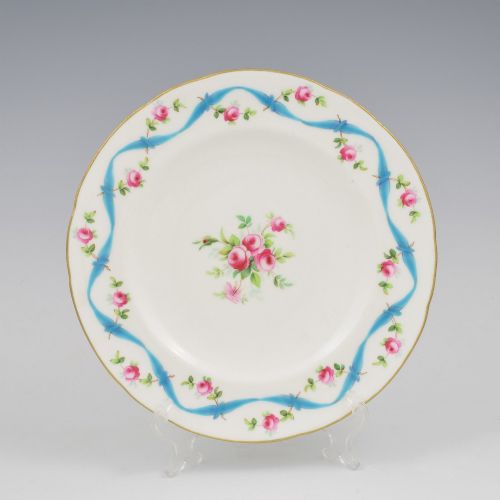
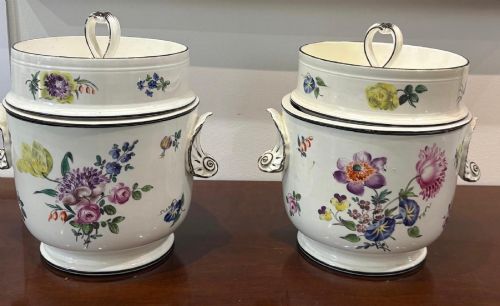
Ceramic pieces involve earthenware, creamware, porcelain and bone china, finished with hand-painted motifs, transfer printing and coloured glazes. Glassware pieces utilise vaseline and uranium glass, mouth-blown and shaped into bowls and vessels.
Vintage English Tableware Retail Price Guide 2026
Typical asking prices for vintage english tableware among the pieces listed under this phrase on Sellingantiques today, from the lower quarter to the upper quarter. They describe what is for sale here now, not the wider market.
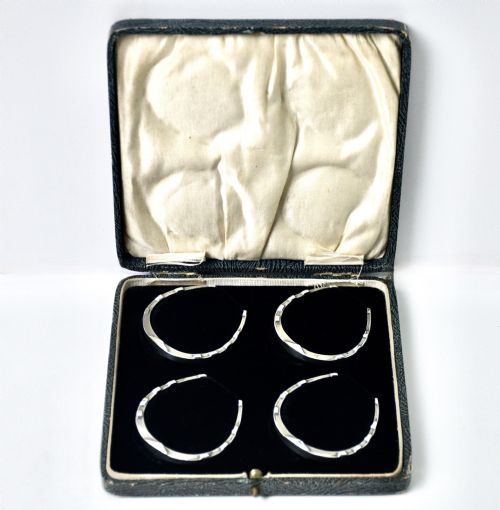
Several silver napkin rings on this page take the unusual shape of lucky horseshoes, bringing a touch of equestrian superstition to the dining table.
What varies in quality
Quality rests in the precision of the maker's hand, seen in the sharpness of transfer-printed patterns on creamware and the crispness of chased decoration on sterling silver. Hand-painted details on porcelain plates and dessert services show distinct variations in artistic execution and brushwork control.
The weight of the metal and the integrity of the glaze dictate the overall standard of the object. Complete sets matched in provenance hold greater cohesion than assembled collections, while maker marks and clear hallmarks anchor the piece to a specific workshop and date.
Emile Viner·Stevens and Williams·Whitefriars·Royal Crown Derby·John and Richard Riley·T and H Compton·Robert Moulins II
The Vintage English Tableware Glossary
- Creamware
- A light-coloured refined earthenware developed in Yorkshire during the eighteenth century. It offers a smooth surface suitable for fine dining services.
- Transfer printing
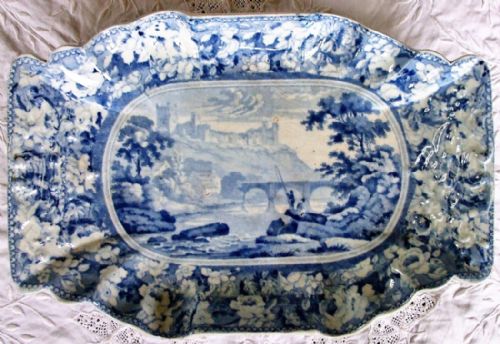
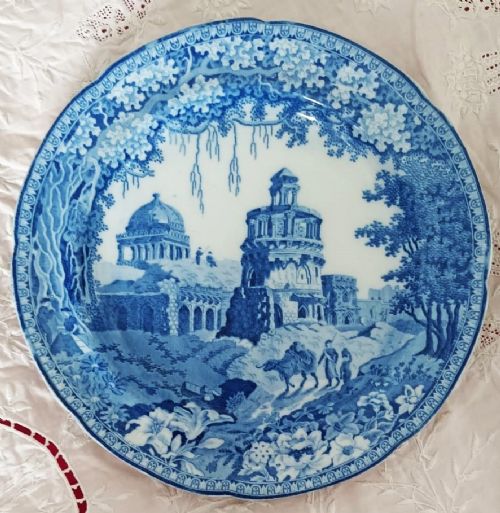
- A decoration technique where an engraved copper plate transfers a design onto paper and then onto pottery. This method allowed consistent patterns like blue and white landscapes across dinner services.
- Sterling silver
- An alloy containing ninety-two point five percent silver and seven point five percent other metals, usually copper. British pieces carry hallmark stamps indicating the assay office and date.
- Imari
- A decorative style inspired by Japanese export porcelain featuring deep blue and iron red highlights, often enhanced with gold leaf. Royal Crown Derby utilised this palette on plates and dessert services.
- Toast rack
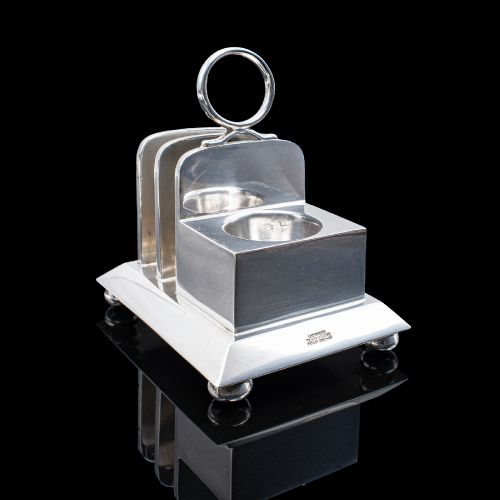
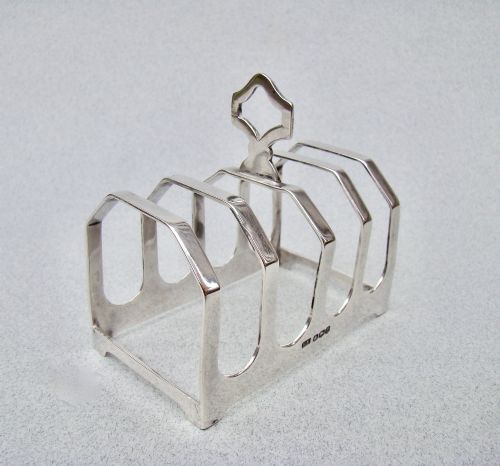
- A small metal frame designed to hold slices of toast upright on the breakfast table. These items showcase period metalworking styles from Victorian designs to Art Deco silver.
Vintage English Tableware: Frequently Asked Questions
How do I clean antique silver tableware?
Use a soft cloth and a gentle, non-abrasive silver polish formulated for heritage items. Avoid harsh scrubbing brushes that can wear away engravings and hallmarks.
Store pieces in a dry environment away from direct sunlight and humidity to prevent tarnish accumulation between uses.
Can I use these ceramic plates daily?
Older earthenware and creamware possess softer bodies and delicate glazes that benefit from hand washing rather than dishwasher cycles. Sudden temperature changes can cause crazing in the glaze.
Treating them with care preserves the hand-painted details and transfer-printed scenes for everyday dining occasions.
What is a toast rack used for?
A toast rack keeps toast slices upright and separated to prevent condensation from making them soggy at the breakfast table. They became popular dining accessories during the Victorian and Art Deco periods.
Today they also function as letter holders or decorative desk accessories.
How do I identify a silver hallmark?
British silver hallmarks include a maker's mark, a standard mark such as a lion passant for sterling, an assay office symbol, and a date letter. These tiny stamped symbols tell you where and when an item was tested and made.
Use a magnifying glass to examine the underside or edge of the piece where the marks are typically struck.