



Vintage English Landscape Art
Vintage english landscape art captures the rural and coastal character of Britain across the nineteenth and twentieth centuries.
Vintage English Landscape Art
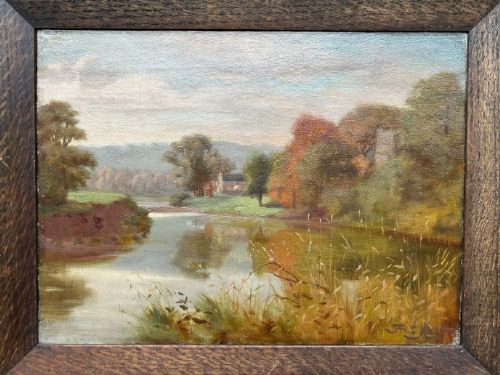
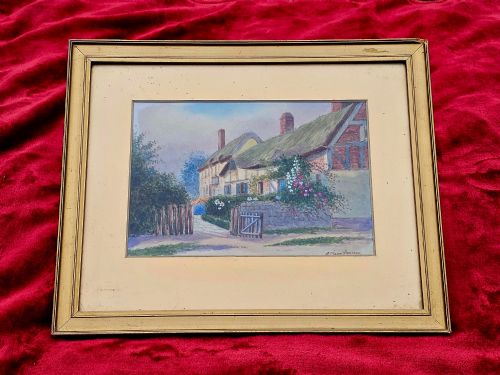
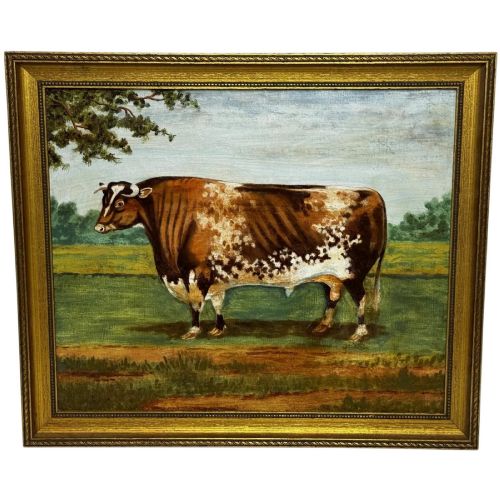
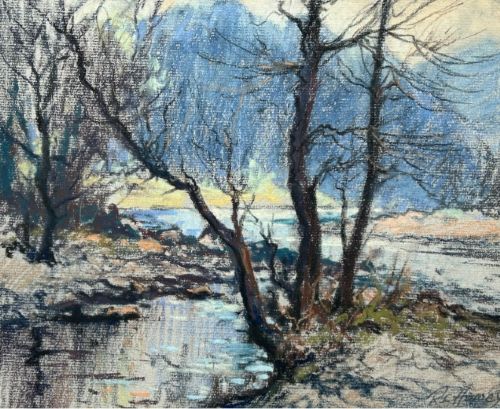
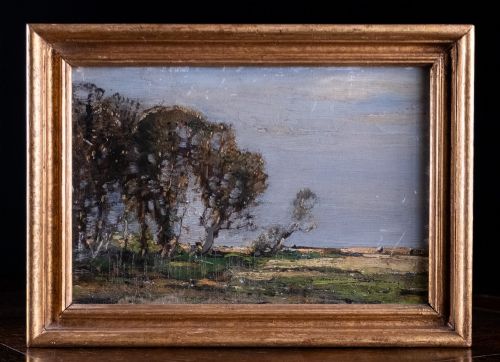
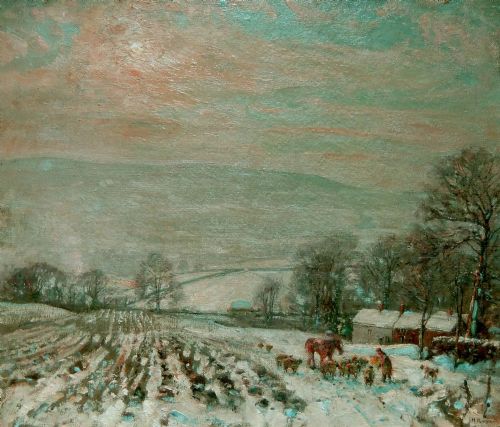
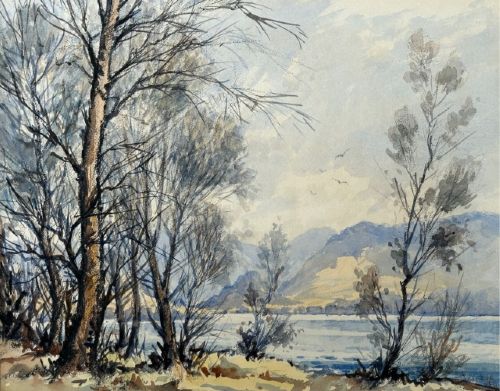
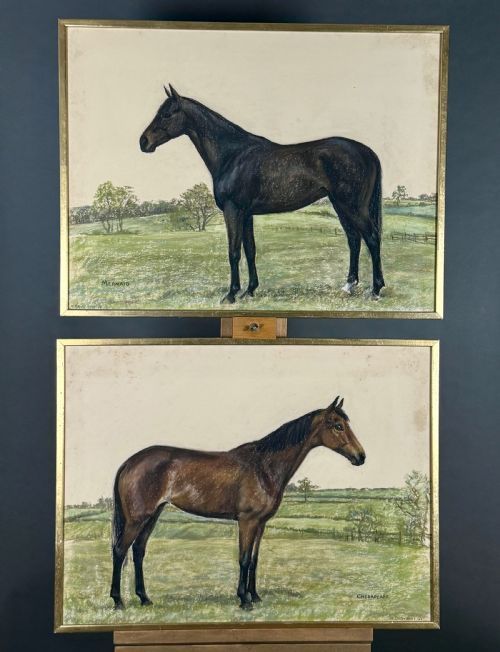
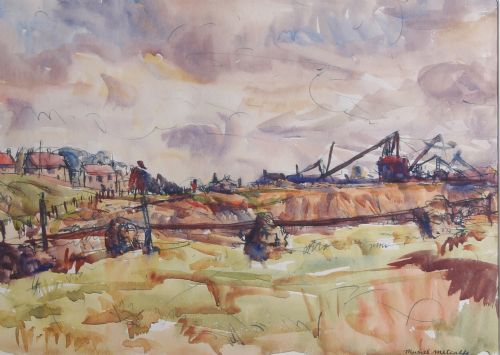
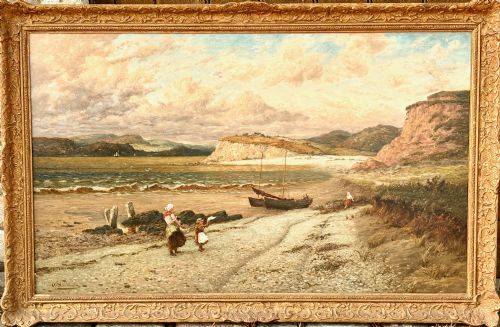
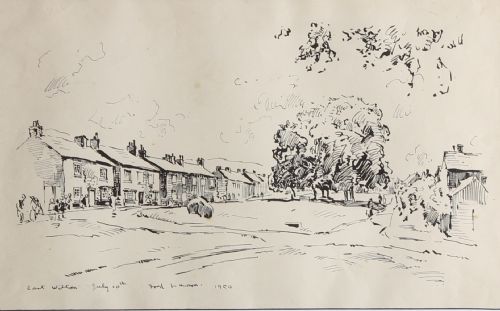
Vintage english landscape art encompasses oil paintings, watercolours, pastels, and ink drawings created by artists working within British traditions from the Victorian era through the mid-twentieth century. Buyers searching this phrase encounter depictions of rural valleys, rivers, coastal harbours, and industrial townscapes originating from various regional schools and individual studios across England.
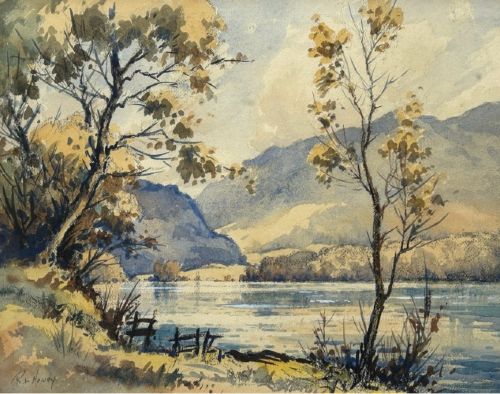
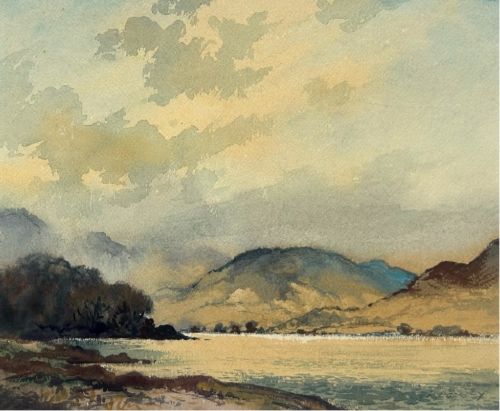
The works appearing most frequently on this page span late nineteenth-century watercolours and oils to mid-twentieth-century Lake District and Yorkshire scenes. These pieces reflect stylistic shifts from Victorian and Edwardian naturalism to British Impressionism and mid-century modern interpretations of the countryside.
How They Were Made
Artists utilise traditional mediums such as oil paint, watercolour, pastel, and charcoal applied to canvas, paper, wood panels, board, and glass. Canvases and wooden panels support heavier oil pigments, whilst works on paper capture fluid washes of watercolour and delicate pastel or ink strokes.
Framed presentation methods vary according to the period, with wooden frames housing works executed directly by hand. Support surfaces range from sturdy card and canvas to textured watercolour paper.
Listings feature works created on paper, canvas, wood, and glass using watercolour, oil paint, and pastel.
What Varies in Quality
Quality differentiates through the artist's handling of light, atmosphere, and composition within the landscape. Works by established practitioners demonstrate confident brushwork and precise topographical observation, whereas simpler pieces rely on standard formulae.
The preservation of the original medium also distinguishes examples, as well-maintained watercolours retain their pigment vibrancy and oils on canvas display stable paint layers without excessive craquelure.
GEORGE GRAHAM·Alfred Young Nutt·Frederick Marriott·A. Marie Parsons·Robert Leslie Howey·Kershaw Schofield·Herbert Royle·William Banks Fortescue·Muriel Metcalfe·Fred Lawson·ROBERT THORNE WAITE·John Smith Atherton·Eric Brown·Brian Shields 'Braaq'·Henry Yeen King·Percy Lancaster·C R Breytle·Florence Adelina Hess·Fred Yates·Herman S Melville·George Morland·Walter Goodin·F A Roylance·Sydney Yates Johnson·Orlando Greenwood
The Vintage English Landscape Art Glossary
- Watercolour
- A painting method where fine pigment is suspended in a water-based, transparent solution applied to paper. This technique allows for luminous washes that capture atmospheric sky and water effects.
- Oil paint
- A slow-drying medium composed of pigment particles suspended in a drying oil, typically linseed. It permits rich colour saturation and textured impasto application across canvas or wooden boards.
- British Impressionism
- A painting style developed in the late nineteenth and early twentieth centuries focusing on everyday subjects and natural light. Practitioners abandon strict academic finishes in favour of visible, expressive brushstrokes.
- Pastel
- A dry drawing medium consisting of powdered pigment and a binder rolled into sticks. Artists utilise pastels on paper to achieve soft gradients and immediate colour blending.
Vintage English Landscape Art: Frequently Asked Questions
What periods do these landscapes cover?
The works span from the nineteenth century through the Edwardian period and into the mid-twentieth century. Artists recorded British scenery using traditional techniques across these successive decades.
Specific dates within individual titles help place each painting within its historical and artistic context.
Which materials were used for these artworks?
Painters and draughtsmen utilised oil paint, watercolour, pastel, ink, and charcoal. These materials were applied to canvas, paper, wood panels, glass, and card.
The choice of support often reflects the specific medium and the period of execution.
Where do these landscape scenes originate?
The depicted locations include the Thames Valley, St Ives in Cornwall, the Cumbrian Lake District, and various Yorkshire towns and coastal bays. Artists recorded regional topography across different English counties.
Local landmarks and rural views form the primary subject matter of these pieces.
How should I display these works at home?
Framed paintings on canvas, board, and paper suit domestic interiors when kept away from direct sunlight and damp environments. Proper framing protects the delicate paper supports and painted surfaces.
Matching the frame style to the era of the artwork enhances its historical character.