


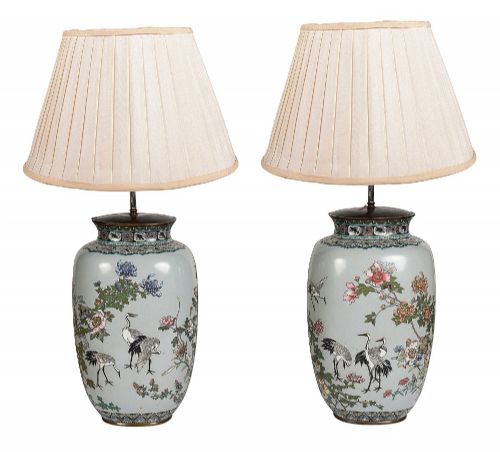


Vintage Enamel Lamp
When you search for vintage enamel lamp, you uncover functional lighting that combines industrial grit with decorative heritage.
Vintage Enamel Lamp
A vintage enamel lamp encompasses utilitarian factory pendants and finely worked decorative pieces created across the nineteenth and twentieth centuries. These lights serve both as robust industrial task fixtures and as ornate interior illumination.
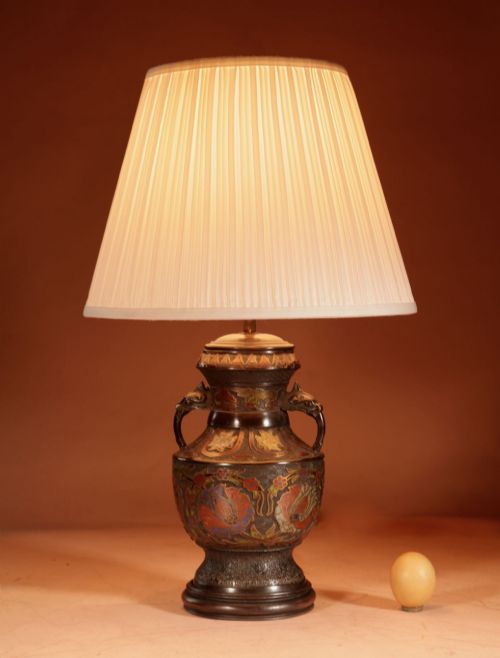
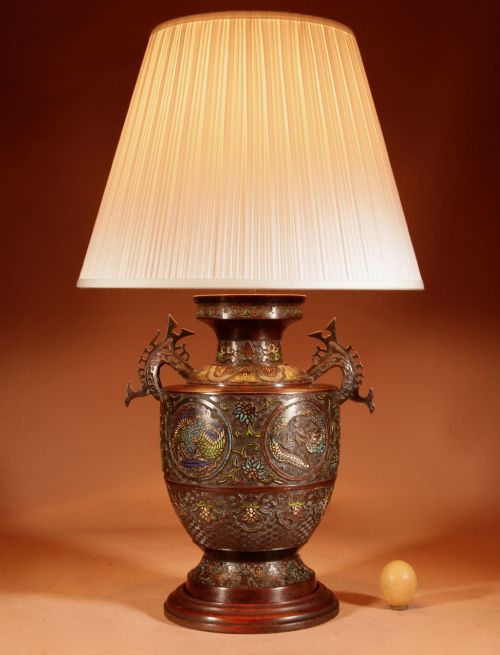
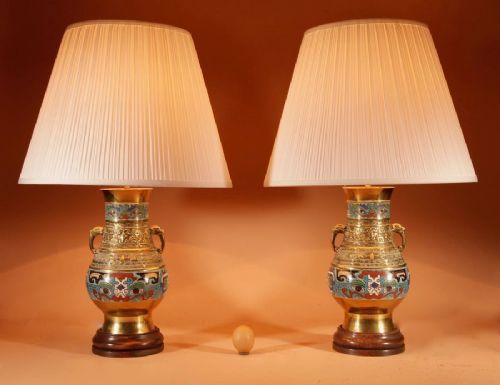
The selection ranges from heavy factory pendant fittings in green enamel to Japanese and Chinese cloisonné and champlevé bronze vessels adapted into table lamps. Industrial ship lamps and railway signal lamps also appear alongside delicate Art Nouveau and Art Deco designs.
Buyers are most likely to encounter industrial pendant lights alongside converted oriental vases and Victorian oil lamps fitted for modern electricity. Each style reflects the manufacturing priorities and domestic tastes of its specific period.
Materials and construction
Vitreous enamel fused to iron or steel provides the durable, wipe-clean finish seen on industrial pendants and factory shades. This surface treatment protected metal components from corrosive working environments while offering bright reflective interiors.
Decorative pieces utilise bronze, brass, and ormolu mounts combined with intricate cloisonné or champlevé enamel work. Artisans wired metal partitions to form cells on metal bases, filling the compartments with coloured glass pastes before firing.
Glass elements range from heavy pressed shades to frosted glass panels and crystal reservoirs. Converted oil lamps incorporate brass burners and ceramic bodies alongside traditional fabric or glass secondary components.
Vintage Enamel Lamp Retail Price Guide 2026
Typical asking prices for vintage enamel lamp among the pieces listed under this phrase on Sellingantiques today, from the lower quarter to the upper quarter. They describe what is for sale here now, not the wider market.
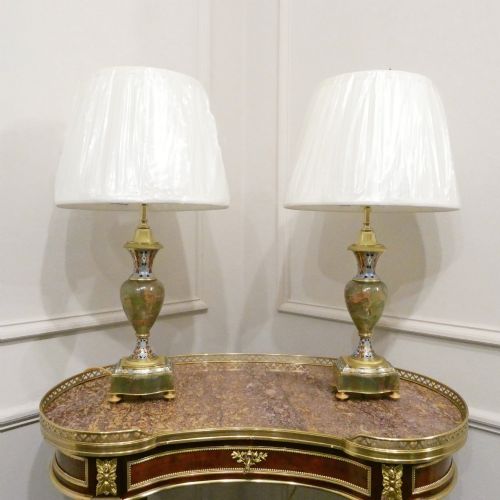
Listings demonstrate a diverse span of materials, combining vitreous enamel with bronze, brass, frosted glass, and carved onyx across multiple periods.
Distinctions in quality
Structural integrity of the metal mounts, whether cast bronze, heavy iron, or polished brass, dictates the overall solidity of the piece. Superior industrial shades retain their original factory brackets and retain deep, lustrous colour without extensive rust flaking.
The sophistication of the conversion process, where vintage oil lamps or oriental vases are adapted for electrical components, affects usability. High-grade conversions preserve the original body entirely while integrating secure, concealed wiring.
Karl Palda
The Vintage Enamel Lamp Glossary
- Cloisonne
- Enamel decoration where thin metal wires are soldered to a metal base to create compartments for coloured pastes. These cells are then fired and polished flush.
- Champleve
- Enamel technique where troughs or cavities are gouged directly into the surface of a bronze or copper base and filled with enamel. The remaining metal forms the visible outlines of the design.
- Mantle Lustre
- Decorative Victorian glass ornament featuring hanging crystal prisms designed to reflect candlelight or gaslight. These pieces frequently feature enamel detailing and gilt highlights.
- Gimbal
- A pivoted ring assembly that allows a ship lamp to remain level regardless of the motion of a vessel. This mechanical housing is typical of marine lighting.
- Ormolu
- Gilded bronze ornamentation applied to decorative lamps and vase mounts. The technique creates a rich gold finish on brassy metal alloys.
Vintage Enamel Lamp: Frequently Asked Questions
How do I install a vintage industrial pendant light?
Industrial pendant fittings require standard ceiling suspension and electrical connection by a qualified person. Ensure the weight of the iron shade is supported independently by a proper ceiling hook rather than the electrical flex alone.
Matching the drop height to your space ensures the wide enamel shade directs light effectively across a work surface or dining table. Check the interior reflector surface remains clean to maximise light output.
Were converted oil lamps originally used for lighting?
Many decorative table lamps started life as nineteenth-century oil lamps or oriental vases before receiving electrical wiring later in their existence. This conversion allows fragile ceramic and bronze vessels to continue functioning safely in modern interiors.
Retaining the original burners or vase bodies preserves the historical character of the object. Collectors appreciate when conversions respect the integrity of the base without causing permanent damage.
How do I care for antique cloisonne enamel?
Dust enamel surfaces gently with a soft, dry cloth to prevent abrasive particles from scratching the vitrified glass paste. Avoid using chemical cleaners or soaking metal mounts, as moisture can penetrate hairline fractures in older pieces.
Displaying lamps away from direct, harsh sunlight preserves the vibrancy of the coloured enamels. Regular gentle maintenance keeps the polished brass and bronze components free from tarnishing.
What is the difference between industrial and decorative enamel lamps?
Industrial enamel lamps prioritise robust utility, featuring heavy iron shades and straightforward electrical fittings designed for factories and ships. Their aesthetic relies on functional practicality and utilitarian charm.
Decorative lamps utilise intricate cloisonné, champlevé, or Art Nouveau styling intended for domestic drawing rooms. These pieces showcase artistic craftsmanship rather than heavy-duty workshop durability.