





Twentieth Century Light
Twentieth century light brings character into a room through honest brass, industrial enamel, and period glass.
Twentieth Century Light
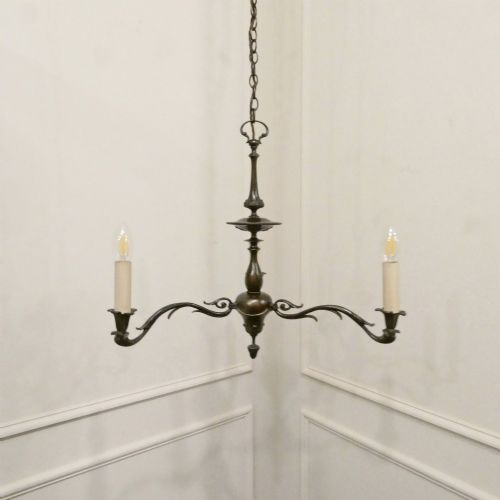
Twentieth century light encompasses practical fittings and illumination shaped by changing domestic and industrial needs across the decades. When you search for twentieth century light, you encounter everything from utilitarian factory pendants to domestic chandeliers in brass and glass.
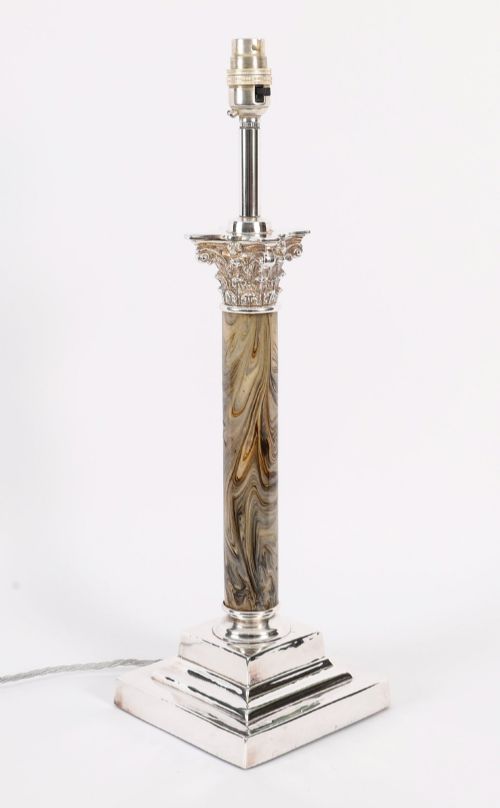
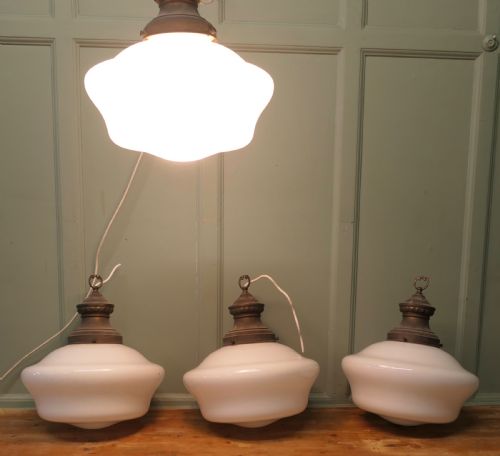
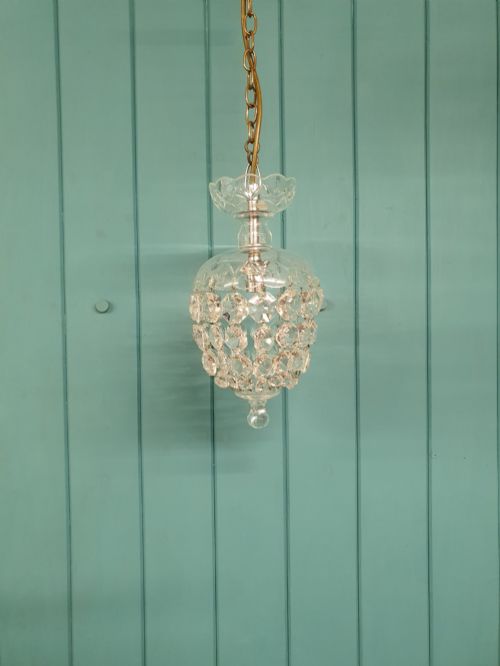
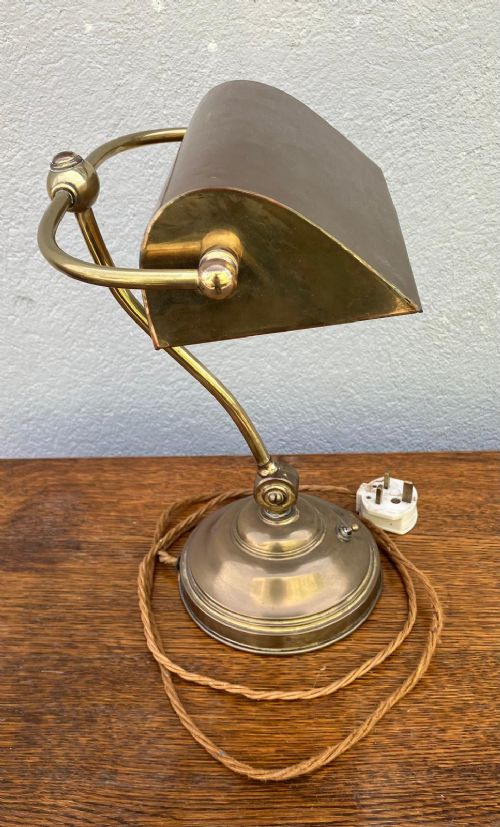
The pieces appearing here span table lamps, desk lamps, and ceiling lights originating from periods including Edwardian, 1900, 1910, 1920, and 1930. Industrial ceiling lights and brass chandeliers dominate the selection, reflecting both workshop function and formal room settings.
Makers and styles represented range from Arts and Crafts and Art Deco to industrial workshops and Amsterdam School designs. Each object carries the utilitarian or decorative intent of its specific decade without modern imitation.
Materials and construction
Solid brass, iron, and spun metal form the structural backbone of these fittings, often paired with leaded glass, crystal, or enamel shades. Metal components were cast, spun, or beaten by hand depending on whether the piece served an industrial factory or a formal interior.
Wiring and electrical components sit alongside traditional mechanical fixings like screws, rivets, and weighted bases. Glass elements involve leaded construction, moulding, or domed shaping designed to diffuse illumination effectively.
Twentieth Century Light Retail Price Guide 2026
Typical asking prices for twentieth century light among the pieces listed under this phrase on Sellingantiques today, from the lower quarter to the upper quarter. They describe what is for sale here now, not the wider market.
Some fairground lights likely spent decades spinning above wooden horses before finding a quieter retirement indoors.
Evaluating quality and finish
Quality in these pieces rests upon the weight of the metal, the integrity of the original joins, and the depth of the casting. Finer examples display crisp detail in brass ornamentation and robust gauge in iron or steel components.
Subtlety in design and the retention of original surface patination distinguish superior items from standard utilitarian output. The integration of materials, such as heavy glass panels set securely into metal frames, marks the work of better workshops.
Auguste Robert Kauffman·British Thomson Houston Ltd
The Twentieth Century Light Glossary
- Pricket candlestick
- A metal candlestick featuring a central spike upon which the candle is mounted rather than sitting inside a socket.
- Enamel pendant
- A hanging light fixture featuring a metal shade coated in vitreous enamel for durability and light reflection in industrial settings.
- Amsterdam School
- An architectural and design movement originating in the Netherlands characterised by expressive forms, rounded brickwork, and elaborate metalwork.
- Chandelier
- A branched ornamental light fixture suspended from the ceiling designed to hold multiple light sources.
Twentieth Century Light: Frequently Asked Questions
How do I hang a heavy brass chandelier safely?
Heavy brass and iron chandeliers require direct suspension from a ceiling joist using an appropriate steel hook or bracket rather than relying on standard plasterboard fixings. Consult a qualified electrician to ensure the wiring and structural support can safely bear the combined weight of the metal and glass.
Ensure the hanging chain is adjusted to the correct drop for your ceiling height before final electrical connection. Taking time to balance the fixture prevents uneven strain on the arms.
How should I clean antique brass light fittings?
Dust brass surfaces gently with a dry microfibre cloth to remove everyday accumulation without disturbing the aged surface patination. Avoid harsh chemical polishes that strip away historical character and leave an overly bright finish.
If the metal requires deeper cleaning, use a mild soapy solution on a damp cloth followed by immediate drying. Preserving the natural tone ensures the piece maintains its historical integrity.
What rooms suit industrial ceiling lights best?
Industrial ceiling lights and enamel pendants suit kitchens, hallways, and open-plan living spaces where robust materials and focused downward illumination work effectively. Their utilitarian origins provide a striking contrast against domestic interiors.
Pairing these fixtures with dimmer switches allows you to control the brightness in living areas. The straightforward metal forms complement both contemporary and traditional room schemes.