



Vintage Enamel Flower
These vintage enamel flower pieces span delicate brooches to substantial vases, offering vibrant botanical motifs that capture periods from Art Nouveau to mid-century design.
Vintage Enamel Flower
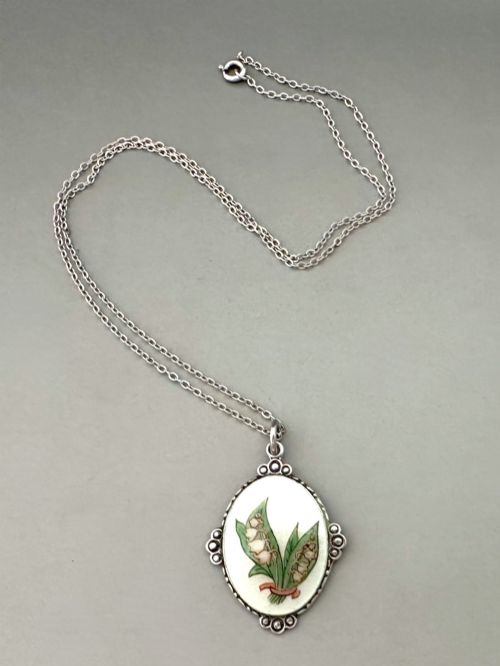
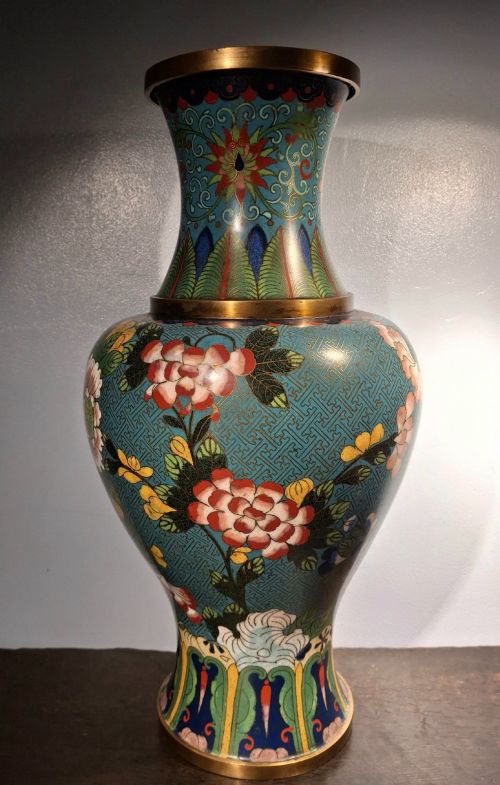
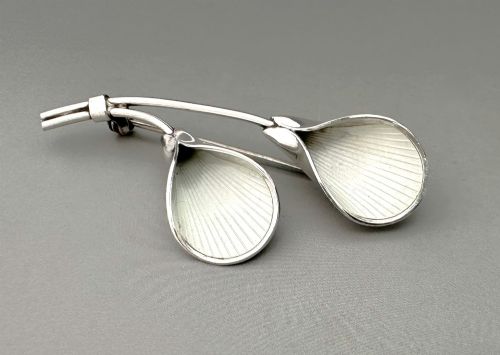
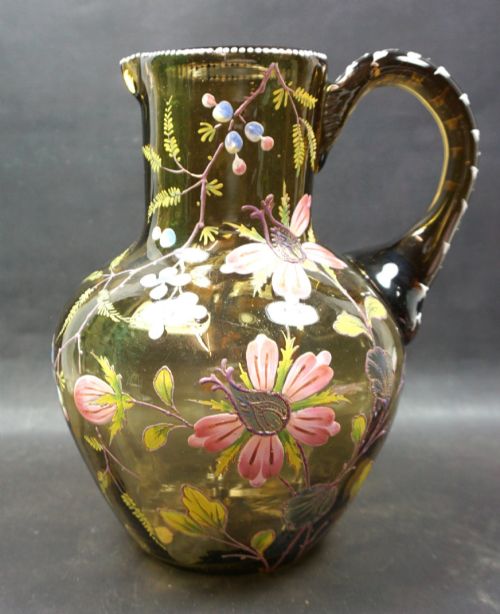
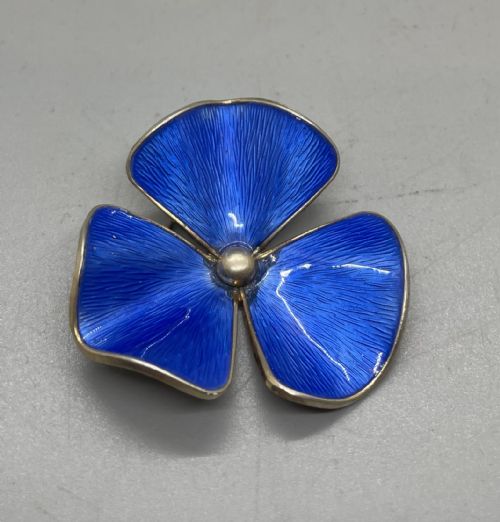
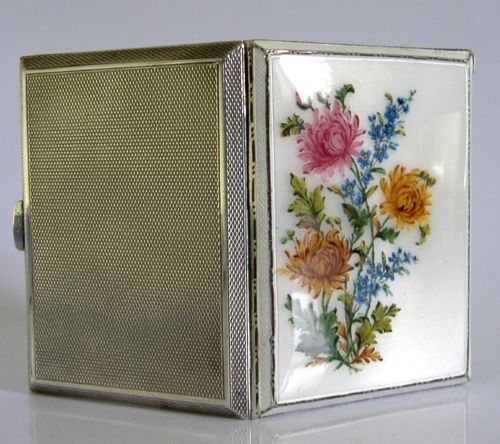
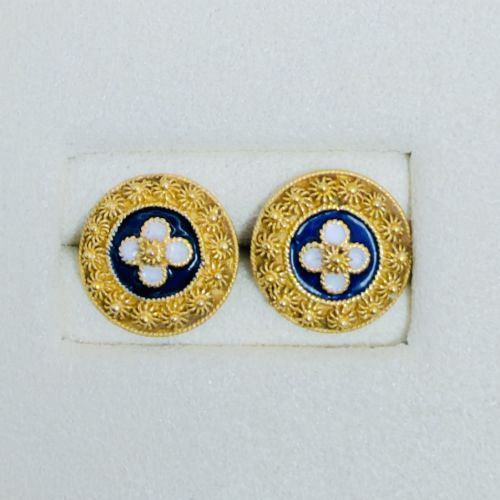
When you search for vintage enamel flower, you encounter a diverse range of decorative objects and wearable items spanning several decades and international traditions. The selection includes everything from wearable silver and gold brooches to glass jugs, ceramic vases, and decorative cloisonné vessels. Pieces date from the mid-nineteenth century through the mid-twentieth century, encompassing distinct aesthetic movements such as Art Nouveau, Art Deco, and the Arts & Crafts movement.
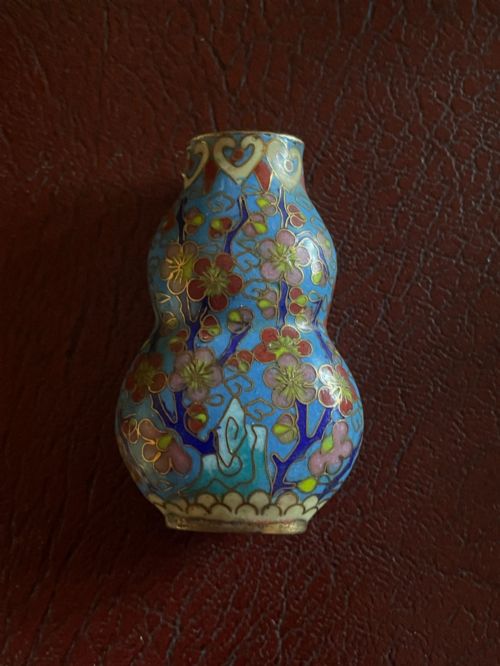
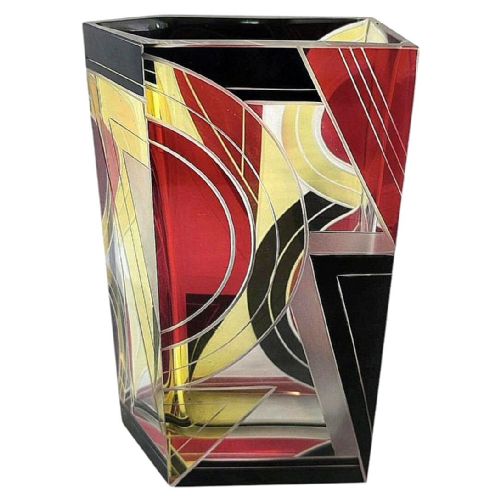
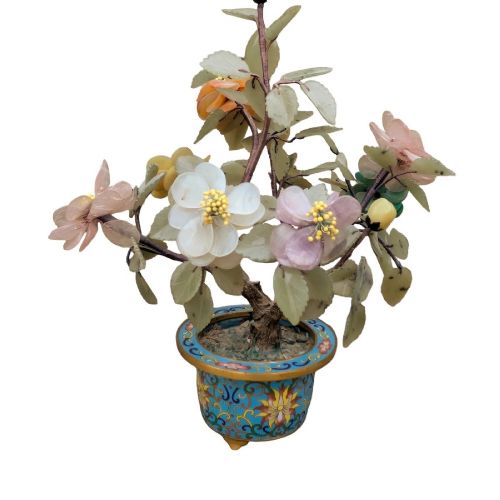
The most common wearable versions you will meet on this page are silver and silver gilt brooches featuring guilloche or hand-painted enamel petals. Alongside these jewellery pieces, glassware decorated with enameled floral motifs appears frequently, particularly pieces originating from Bohemia and the Czech Republic during the nineteen-thirties. Asian metalwork, specifically Chinese and Japanese cloisonné vases and jardinières, also forms a substantial part of the selection.
How They Were Made
Makers utilised metals such as sterling silver, gold, brass, and copper as foundations for applied enamel, fusing powdered glass to metal surfaces through high-temperature firing. Techniques like guilloche involved machining intricate geometric patterns beneath translucent enamel layers to create depth and light play, while cloisonné relied on soldered metal wires to form individual cells for coloured enamel pastes.
For glass items, artisans applied hand-painted enamel colours directly onto crystal, uranium glass, or opaque glass bodies before a secondary firing fixed the pigments. Pieces from the Arts & Crafts and modernist workshops frequently combined these enamelled botanical elements with stones like moonstones and citrines, or set them in gilt metal mountings.
Vintage Enamel Flower Retail Price Guide 2026
Typical asking prices for vintage enamel flower among the pieces listed under this phrase on Sellingantiques today, from the lower quarter to the upper quarter. They describe what is for sale here now, not the wider market.
What Varies in Quality
The standard of a vintage enamel flower piece rests upon the precision of the metalwork and the complexity of the enamelling technique. Finer items display smooth, even enamel surfaces free from excessive pitting or visible repair, with crisp separations between colour cells in cloisonné or precise engine-turned patterns beneath guilloche layers.
Design execution and material selection further distinguish the range. Pieces bearing attribution to known makers or specific European glassworks often demonstrate superior artistic ambition in their hand-painted floral details, proportion, and integration of auxiliary gemstones compared to unmarked or mass-produced alternatives.
Karl Palda·Meyle & Mayer·Liberty & Co·Samson Paris·St Louis glassworks·Tamura Yukio
The Vintage Enamel Flower Glossary
- Guilloche
- A decorative technique where a mechanical tool etches a precise, intricate geometric pattern into a metal surface. Translucent enamel is then applied over the top, allowing the pattern to show through.
- Cloisonne
- An ancient metalworking technique where flat metal wires are soldered to a base to form compartments, which are subsequently filled with coloured enamel paste and fired.
- Plique a jour
- An enamelling technique similar to cloisonné, but without a backed metal bottom, allowing light to shine through the transparent or translucent enamel like stained glass.
- Uranium glass
- Glass that has had uranium added to a glass mix before melting for coloration, typically glowing bright green under ultraviolet light and frequently utilised in mid-century glassware.
Vintage Enamel Flower: Frequently Asked Questions
How do I date vintage enamel flower pieces?
Dating these items relies on identifying stylistic markers, manufacturing techniques, and any accompanying metal hallmarks. Art Nouveau pieces typically feature organic, flowing lines, whereas nineteen-thirties items often display geometric Czech glass characteristics.
Examining the type of metal clasp on brooches or consulting maker marks stamped onto silver or gold components helps narrow the production window further.
What is the difference between cloisonne and guilloche enamel?
Cloisonné involves soldering thin metal wires onto a solid metal base to create raised walls that separate different coloured enamel pastes. This method produces defined, graphic outlines around floral motifs.
Guilloche instead uses a mechanical lathe to engrave precise patterns directly into a metal substrate before applying a translucent enamel coating over the entire textured surface.
How should I clean enameled silver jewelry?
Cleaning enameled silver requires a gentle approach to protect both the delicate glass surface and any applied gilding. Use a soft, damp cloth with mild soap, avoiding harsh chemical dips or abrasive silver polishes.
Submerging vintage pieces in water for extended periods should be avoided, particularly items with older soldered mounts or mixed media settings.
Where were most of these enameled glass items made?
A significant portion of the enameled glassware originates from Bohemia and the Czech Republic, particularly from the early twentieth century through the nineteen-thirties. Workshops in this region specialised in etched and enameled glass vases.
Other notable origins for enameled decorative objects include nineteenth-century French glassworks and Asian production centres creating cloisonné vessels.