





Vintage Enamel Dish
A vintage enamel dish brings together coloured glass fusing and metalwork, offering rich decorative surfaces and fine craftsmanship for the home.
Vintage Enamel Dish
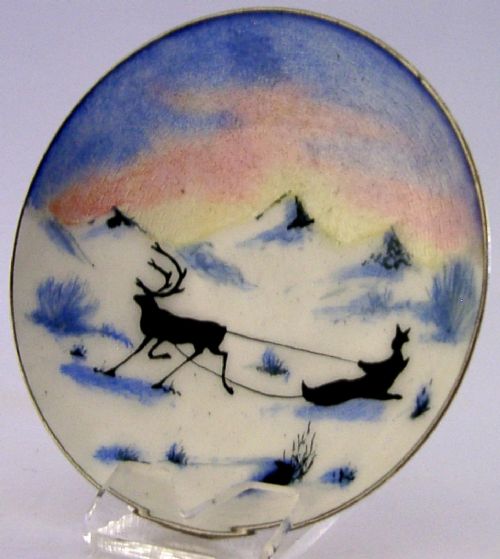
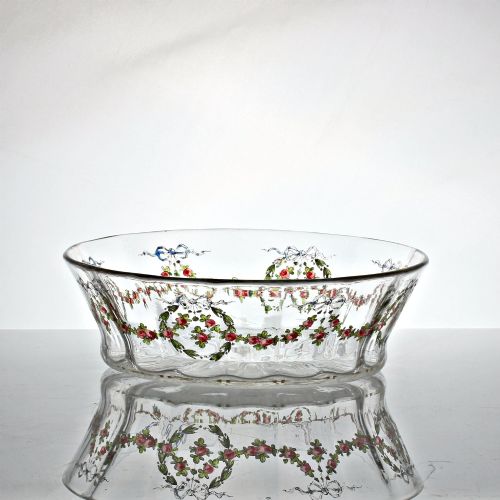
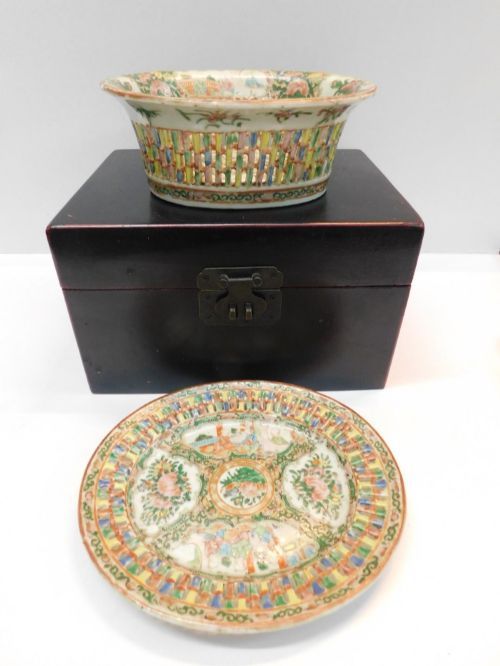
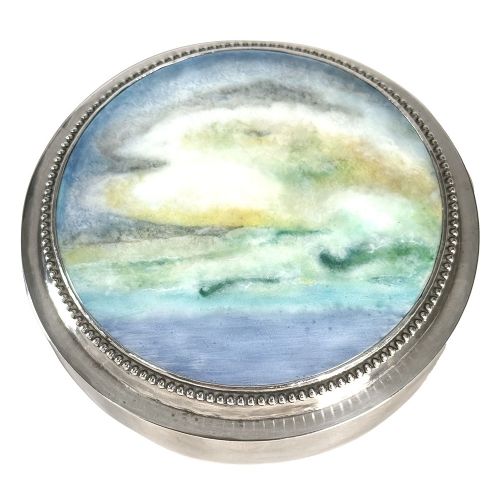
When searching for a vintage enamel dish, buyers encounter decorative plates, chargers, and bowls originating from various periods including the nineteenth and early twentieth centuries. These objects span European workshops, British silver manufacturers, and Japanese Meiji period studios.
The selections on this page most frequently include Japanese cloisonne enamel plates and chargers alongside European silver and glass pieces fitted with enamel plaques. Forms range from small trinket dishes to large display chargers bearing traditional motifs such as birds, dragons, and landscapes.
How they were made
Maker's workshops applied glass powder to metal bases such as copper, brass, or sterling silver before firing the pieces in a kiln to fuse the vitreous coating. In cloisonne work, thin wire ribbons formed cells to hold different coloured enamels.
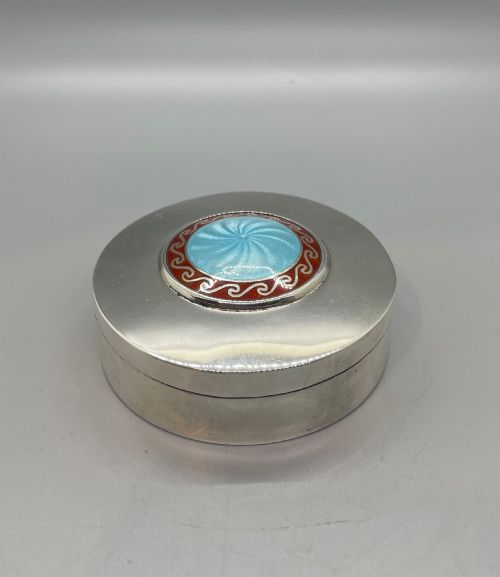
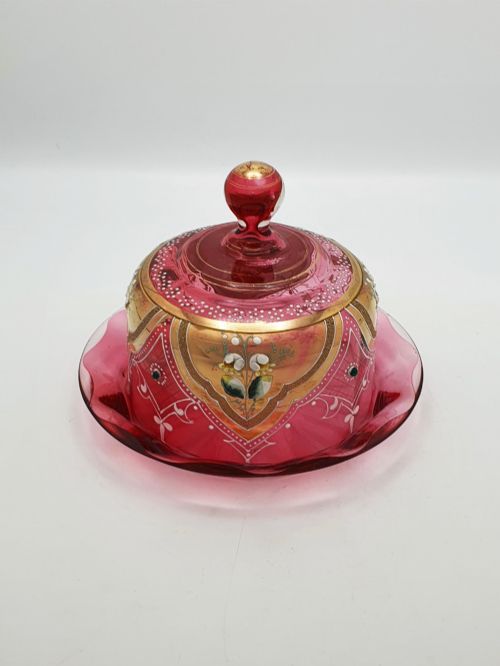
Other techniques involved guilloche engraving beneath translucent enamel layers or direct painting upon glass and porcelain surfaces using gold leaf and coloured pigments.
Vintage Enamel Dish Retail Price Guide 2026
Typical asking prices for vintage enamel dish among the pieces listed under this phrase on Sellingantiques today, from the lower quarter to the upper quarter. They describe what is for sale here now, not the wider market.
The listings feature copper, brass, sterling silver, and glass materials combined with traditional enamel techniques across the 18th, 19th, and 20th centuries.
What varies in quality
The standard of a piece rests on the precision of the metalwork and the clarity of the fired enamel surface. Finer examples display meticulous wirework without distortion, smooth glazing free of excessive pitting, and detailed hand-painted or cloisonne imagery.
Workshop attribution also influences standing, with signed Japanese creations from noted makers or pieces bearing clear British assay office hallmarks commanding greater attention from collectors.
Guild of Handicrafts·Kinkozan·St Louis glassworks·Rene Lalique
The Vintage Enamel Dish Glossary
- Cloisonne Enamel
- A decorative technique where metal wires form compartments on a base to hold coloured glass pastes before kiln firing. This method creates defined patterns of coloured cells across the surface.
- Guilloche
- A mechanical engraving technique that etches precise geometric patterns into metal beneath translucent enamel layers. This adds depth and shimmering light reflection to silver boxes and dishes.
- Charger
- A large decorative plate intended for display rather than table service. These substantial vessels often feature elaborate pictorial scenes or auspicious symbols.
- Qing Dynasty
- The final imperial dynasty of China, spanning from the seventeenth to the early twentieth century. Objects from this period frequently employ famille rose palette decorations and reticulated forms.
Vintage Enamel Dish: Frequently Asked Questions
How do I clean an enamel dish?
Dust these decorative items gently with a dry, soft cloth to protect the delicate glass surface and underlying metal. Avoid submerging antique pieces in water or using harsh chemical cleaners that may damage the glaze.
For stubborn grime, a very lightly dampened cloth followed by immediate drying is acceptable. Preserving the original finish requires keeping them away from direct moisture and bright sunlight.
Can I use these dishes for food?
Most antique and vintage enamel dishes serve primarily as decorative objects or small receptacles for trinkets. Older metallic and glass compositions can react with acidic foods or suffer wear from daily use.
It is best to reserve these pieces for display on tables, shelves, or cabinets rather than active dining. Enjoy them as historic works of art rather than functional tableware.
How do I date a cloisonne dish?
Dating relies on examining the weight of the metal base, the brightness of the colour palette, and any signatures or workshop marks present. Nineteenth-century Japanese pieces often feature distinct wire styles and subject matter tied to the Meiji period.
Comparing the decorative motifs and manufacturing techniques with documented examples helps narrow down the period. Subtle clues in the wiring and backing metal reveal the era of production.
Where should I display my dish?
Display chargers and large plates securely on specialist stands within cabinets or on mantelpieces where they catch ambient light. Smaller trinket boxes and dishes work well on dressing tables or sideboards.
Position them away from high-traffic areas where they might be knocked or handled frequently. Stable placement protects the fragile glass enamel from accidental impacts.