

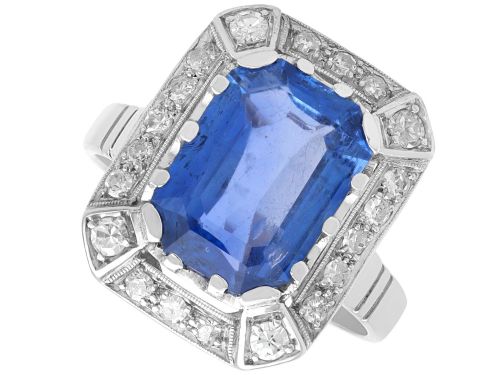
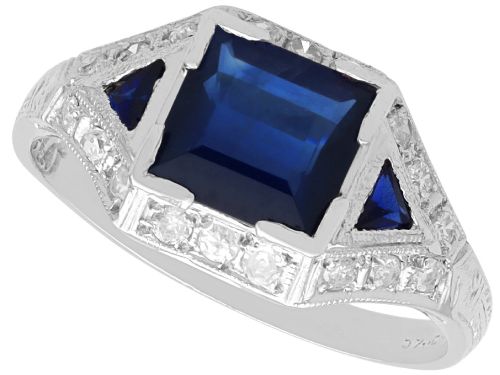
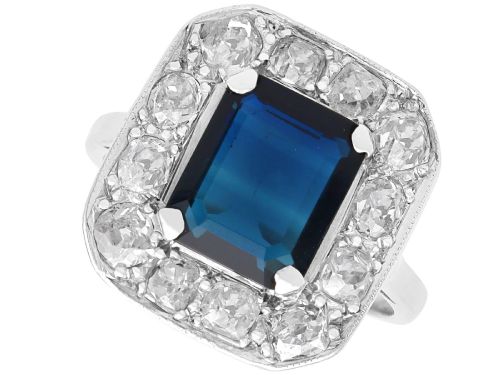
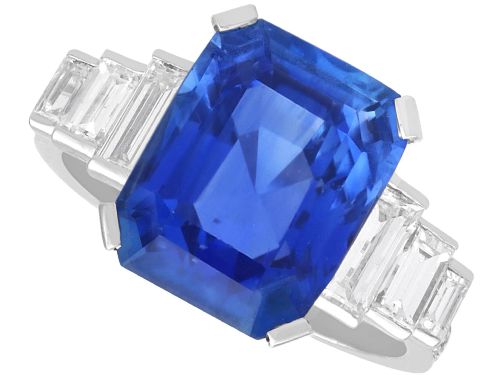
Vintage Emerald Cut Ring
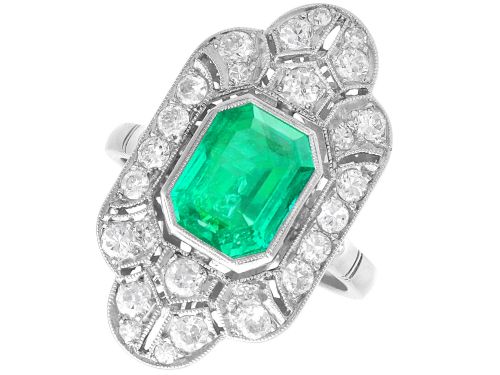
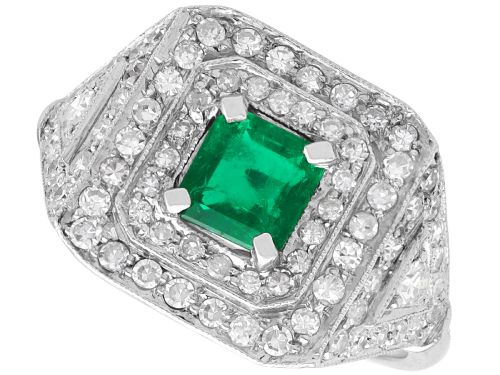
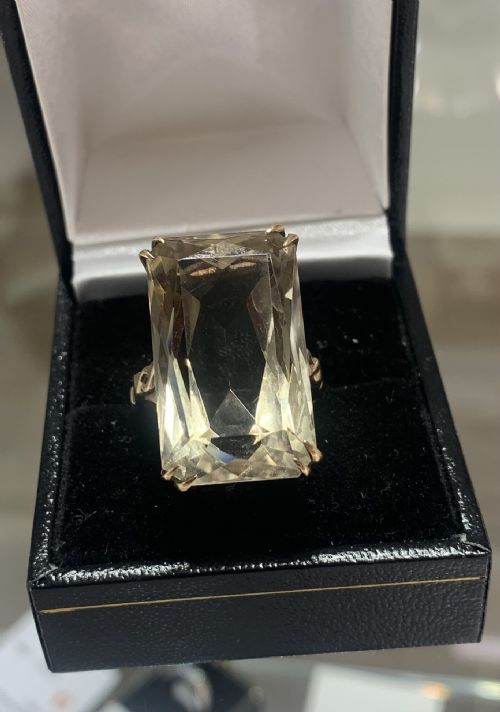
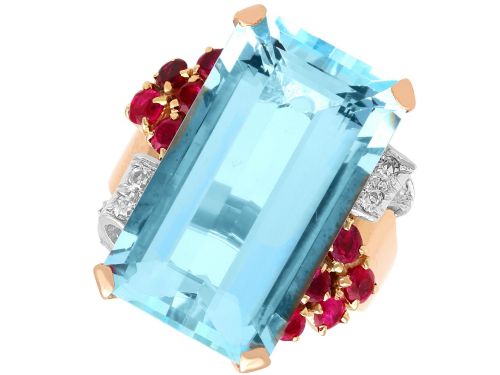
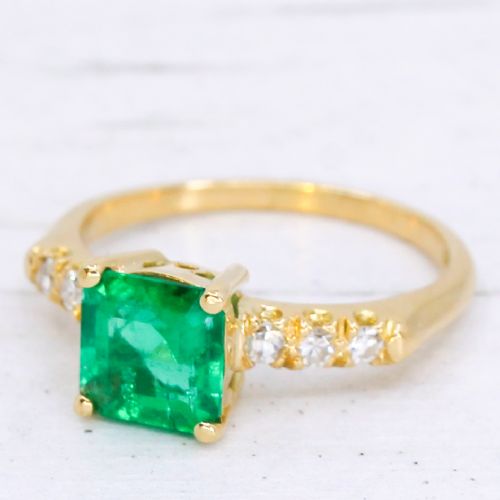
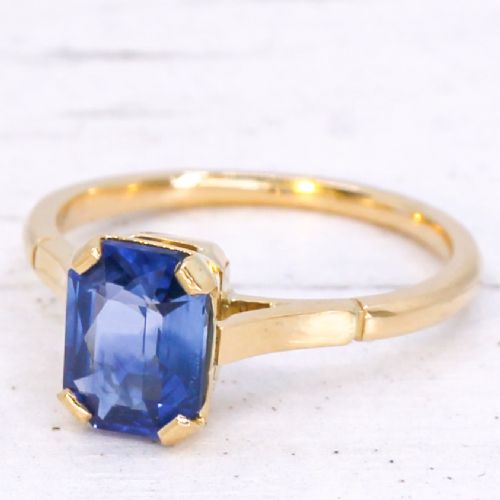
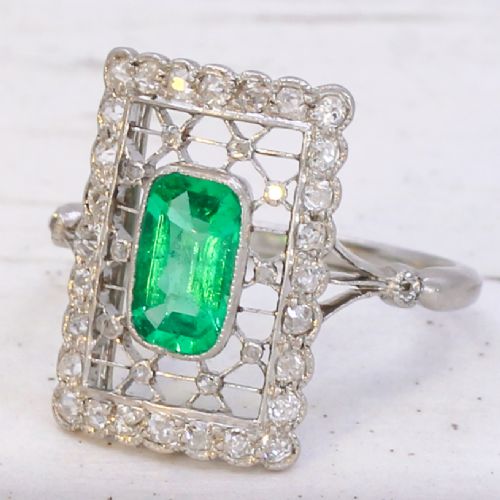
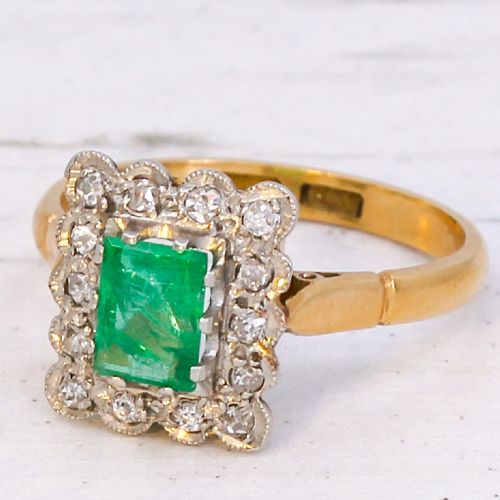
A vintage emerald cut ring brings together geometric step-cut stones and delicate metalwork from eras ranging from Edwardian to mid-century design.
Vintage Emerald Cut Ring
A vintage emerald cut ring encompasses cluster configurations, solitaire mountings and multi-stone arrangements created across the twentieth century. Examples span Edwardian craftsmanship, Art Deco geometry, mid-century cocktail styles and later interpretations.
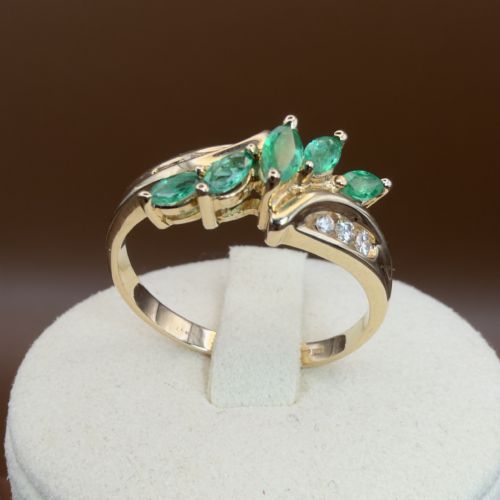
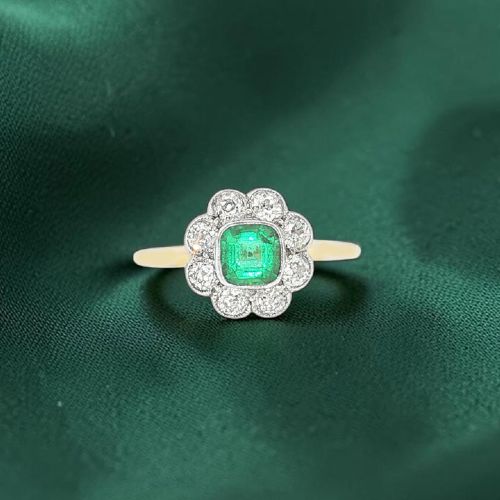
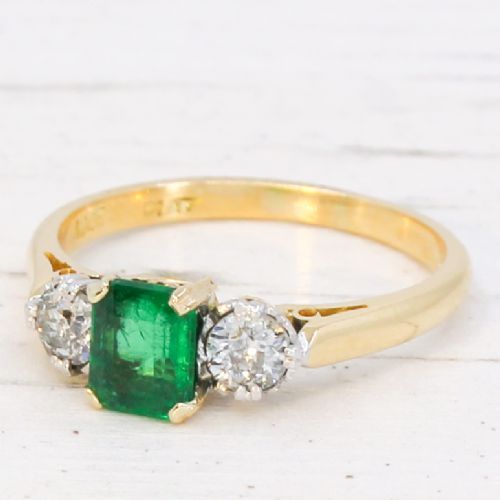
The selections encountered here frequently pair central emeralds or step-cut gemstones with surrounding diamond accents in platinum or various tones of gold. Makers utilised specific cuts to emphasise depth and clarity over fiery brilliance.
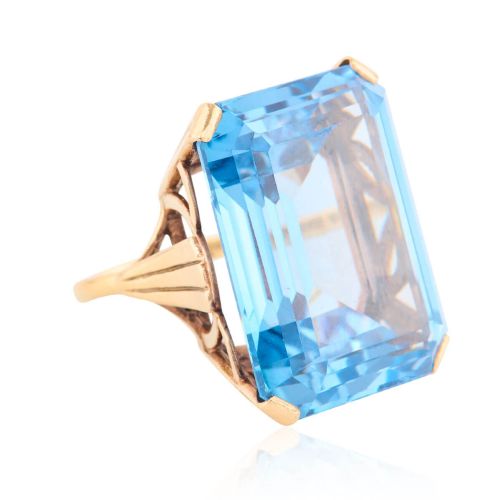
Buyers often select these rings for engagement wear or as statement cocktail pieces. The design vocabulary relies on clean linear proportions rather than organic curves.
How they were made
Goldsmiths constructed mountings primarily in platinum, 18ct white gold, 18ct yellow gold, and 9ct gold, matching the metal density to the weight of the central stones. Platinum settings from the Art Deco period allowed for intricate, knife-edge wirework and secure claw or bezel placements.
Central stones received step cuts with truncated corners, flanked by old cut, princess cut or baguette diamonds to build contrast. Metal was hand-finished and polished to highlight the linear geometry characteristic of mid-century and earlier workshops.
Vintage Emerald Cut Ring Retail Price Guide 2026
Typical asking prices for vintage emerald cut ring among the pieces listed under this phrase on Sellingantiques today, from the lower quarter to the upper quarter. They describe what is for sale here now, not the wider market.
What varies in quality
The distinction between tiers rests upon the origin and treatment documentation of the central emerald, alongside the symmetry of the step-cut facets. Stones accompanied by certificates noting minor or negligible oil enhancement command greater attention from collectors.
Structural integrity of the setting also defines the tier, with heavy platinum or high-carat gold mountings showing minimal wear to the grain and claw work over decades of handling.
The Vintage Emerald Cut Ring Glossary
- Emerald cut
- A rectangular or square stone cut with stepped facets and cropped corners designed to maximise clarity and depth. This geometry prioritises optical reflection through plane surfaces rather than scattered fire.
- Old cut diamond
- A hand-faceted diamond shape common in antique and Edwardian jewellery, featuring a smaller table and a higher crown. These stones display a softer candlelit sparkle compared to modern brilliant cuts.
- Cluster ring
- A design grouping a prominent central gem surrounded by a perimeter of smaller accent stones, typically diamonds. This arrangement amplifies overall finger coverage and visual contrast.
- Platinum
- A dense, durable white metal utilised extensively in early twentieth-century mountings for its tensile strength. It permitted artisans to fashion delicate claws that held stones securely without bulky metal surrounds.
- Treatment
- The practice of clarity enhancement in gemstones using natural oils or resins to fill microscopic fissures. Documentation noting minor or negligible treatment indicates a higher degree of inherent stone purity.
Vintage Emerald Cut Ring: Frequently Asked Questions
How do I care for a vintage emerald cut ring?
Clean these pieces gently using warm soapy water and a soft brush, avoiding harsh chemical ultrasonic cleaners that might affect stone treatments.
Store them individually in lined boxes to prevent abrasion between adjacent jewellery items.
Can these rings be resized?
Most gold and platinum mountings allow for resizing by a skilled jeweller, though patterned bands or full diamond eternity channels require careful evaluation.
Consult a specialist who can adjust the shank without compromising the structural integrity of the shoulders or claw settings.
What periods do these rings come from?
The available selection spans Edwardian, Art Deco, retro modern, and mid-century periods, alongside later twentieth-century interpretations.
Each era contributes distinct metal choices and mounting architectures, shifting from delicate platinum wirework to heavier gold cocktail designs.
Are the emeralds natural?
The listings encompass natural emeralds with documented origins, such as Colombian sources, often accompanied by grading reports detailing oil enhancements.
Verification details within descriptions clarify whether stones possess minor treatment levels or natural unheated characteristics.