



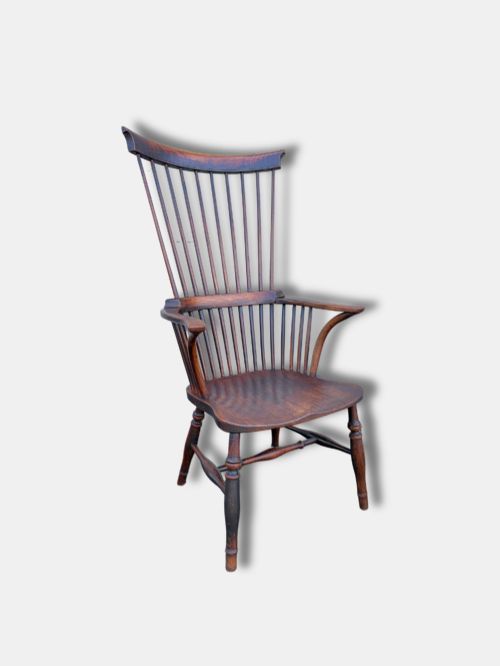
Vintage Elm Wood Chair
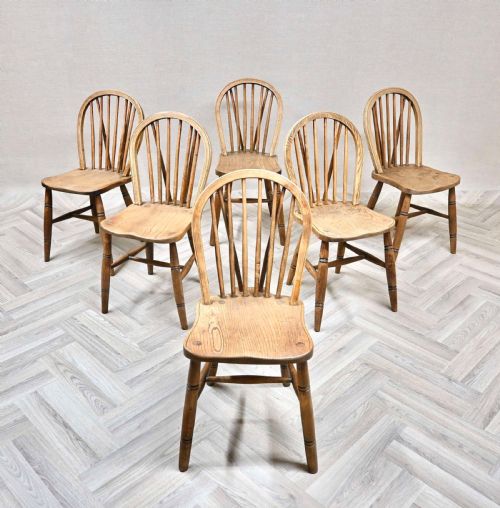
A vintage elm wood chair brings tactile warmth and vernacular character to a room, spanning rustic Windsor forms and regional country seating.
Vintage Elm Wood Chair
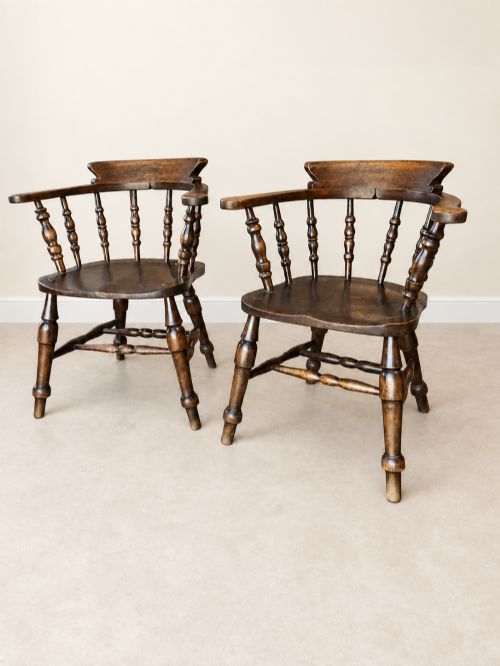
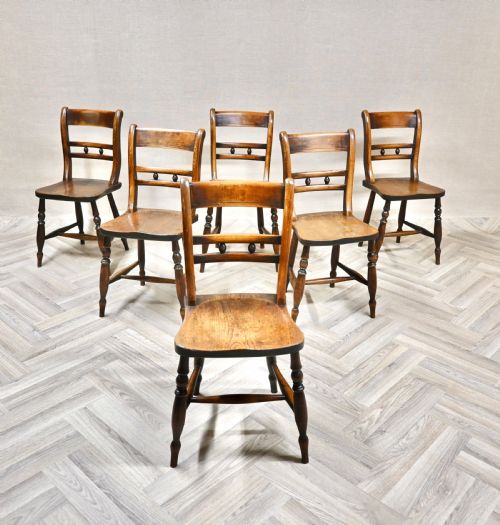
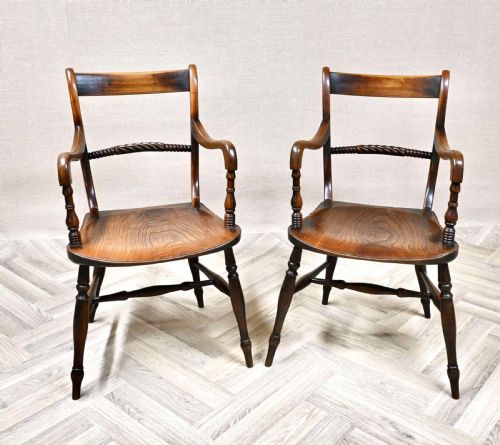
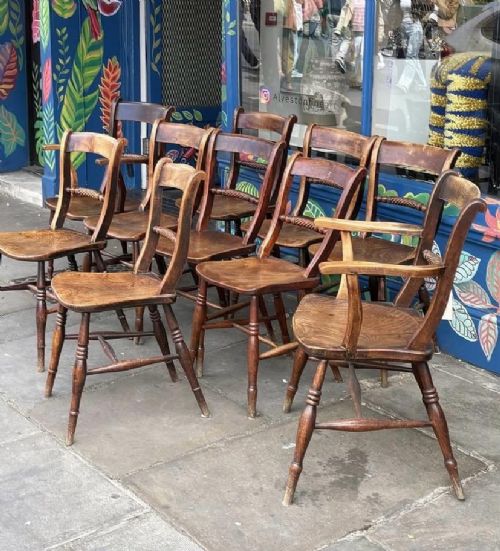
The selection leans heavily toward regional Windsor armchairs and kitchen sets utilising elm for seats alongside complementary timbers. Armchairs, carvers, and rocking chairs dominate the larger seating options, while sets of dining chairs appear in configurations from pairs to dozens. French garden benches and Swedish neoclassical armchairs also emerge within the broader scope of country elm seating.
Materials and construction
Makers built these pieces by combining solid elm seats with supporting timbers like ash, beech, yew, and occasionally cast iron or fruitwood. Elm provided a tough, interlocked grain that resisted splitting under the heavy pressure of sculpted saddle seats.
Turned spindles, steam-bent hoops, and sturdy stick backs formed the upper structures, joined to thick plank seats through traditional wedged tenons. Stretchers added rigidity to the undercarriages, particularly in farmhouse and kitchen dining chairs subjected to daily household movement.
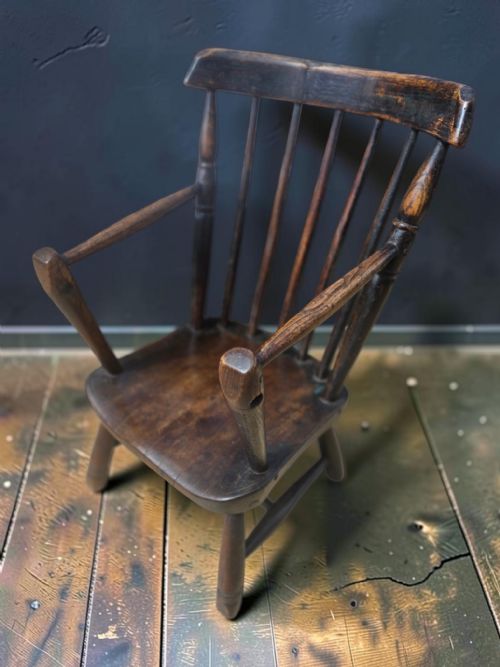
Several diminutive children's chairs survive here, offering miniature Windsor craftsmanship for pint-sized Victorians.
Factors of quality
Quality rests on the depth of the saddle shaping in the seat and the balance of proportions between the turned spindles and heavy arm bows. Superior examples display thoughtful timber selection, where distinct grain figures in the elm seat complement the supporting woods.
Integrity of the original joinery and the survival of matching sets elevate certain pieces above standard kitchen seating. Greater maker skill shows in refined Windsor bow bends, crisp turning on legs and stretchers, and minimal replacement parts over centuries of use.
J SPENCER
The Vintage Elm Wood Chair Glossary
- Windsor
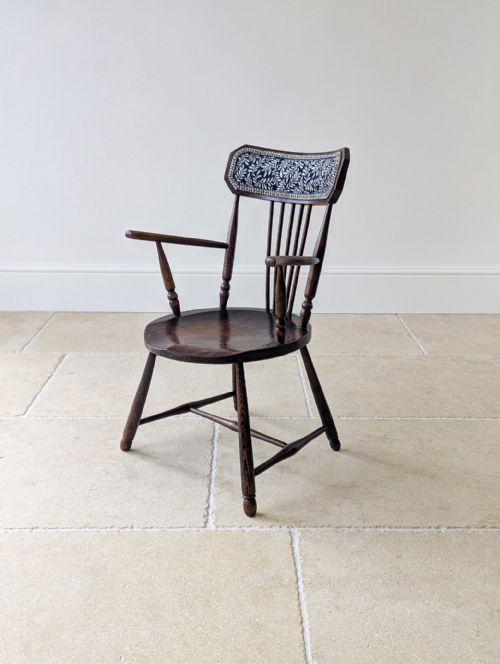
- A chair built with a solid wooden seat into which the legs and back spindles are directly tenoned. These pieces often incorporate bentwood hoops or high stick backs.
- Vernacular
- Objects designed by local craftspeople to serve specific practical needs rather than following strict high-style architectural fashions. This approach prioritises regional utility and local material availability.
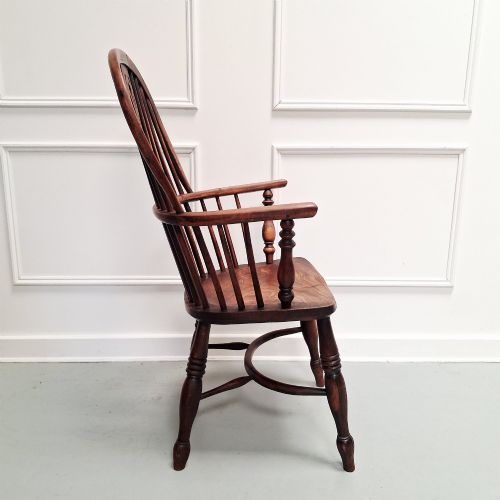
- Smokers Bow
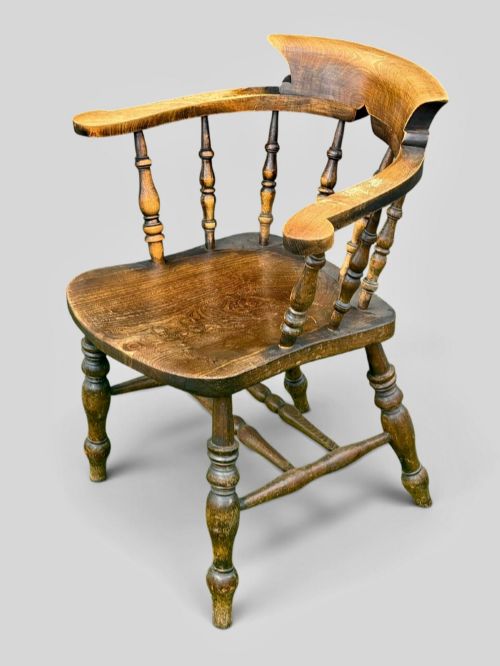
- A low-backed Windsor armchair with a continuous curved arm rail, historically common in domestic parlours and public houses. They typically feature sturdy turned spindles and elm saddle seats.
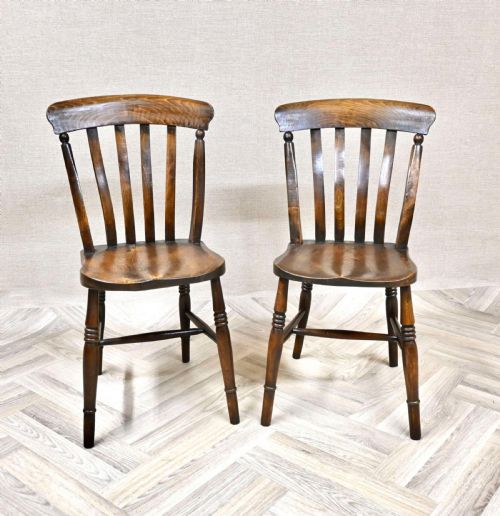
- Lathback
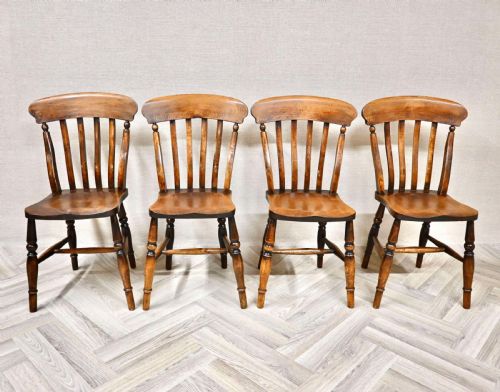
- A chair back constructed with flat wooden slats or laths arranged vertically within a frame. This design offers robust support for kitchen and dining seating.
- Carver Chair
- An armchair traditionally used at the head of a dining table or as a parlour seat. They often match smaller side chairs in a larger dining set.
Vintage Elm Wood Chair: Frequently Asked Questions
How do I care for a vintage elm chair?
Keep wooden seating away from direct heat sources and sudden temperature shifts to prevent the elm planks from drying out or splitting. Apply a clear beeswax polish occasionally to nourish the grain and maintain a natural protective sheen.
Avoid excessive moisture during cleaning by using a dry or barely damp soft cloth. Regular dusting preserves the surface patina built up over generations of use.
What is a Windsor chair?
A Windsor chair is a form where the legs, back staves, and bow are fitted directly into a thick, sculpted wooden seat. This construction method creates a sturdy, resilient piece without relying on a conventional box frame.
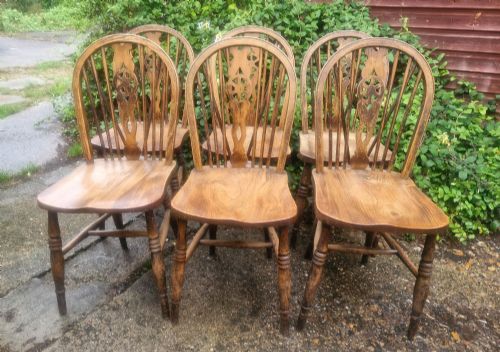
Originating in rural workshops, these chairs evolved into numerous regional styles including hoop backs, comb backs, and wheelbacks. Their enduring strength made them staples in kitchens, farms, and vernacular homes.
Are these chairs comfortable for daily use?
Most antique country chairs were shaped with ergonomically hollowed saddle seats that offer surprising support for sitting over long periods. High-comb backs and generous arm bows provide natural resting places for the upper body.
Pairing them with a dining table or desk requires checking the seat height and arm clearance against your existing furniture. Cushion pads can also be added for extra softness without altering the frame.
How can I tell the age of an elm chair?
Dating relies on observing construction marks, tool traces beneath the seat, and the wear patterns on the foot extremities. Hand-turned spindles and wedged tenons often reveal regional manufacturing techniques tied to specific decades.
Changes in style from eighteenth-century low comb backs to Victorian kitchen lathbacks help narrow down the period. Comparing timber shrinkage and surface patina further clarifies the timeline of the piece.