
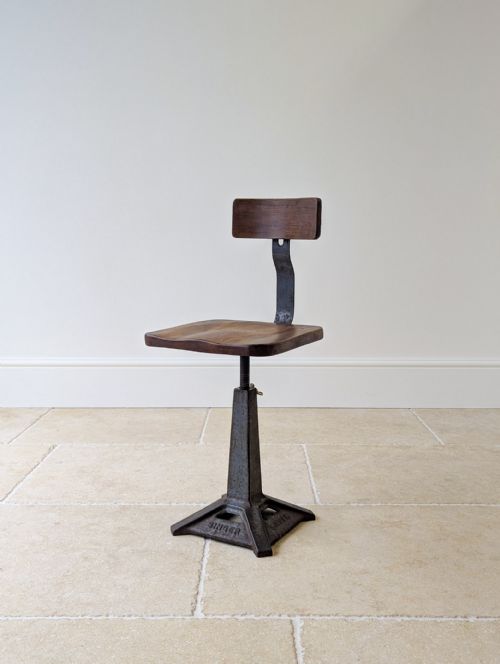


Vintage Elm Chair
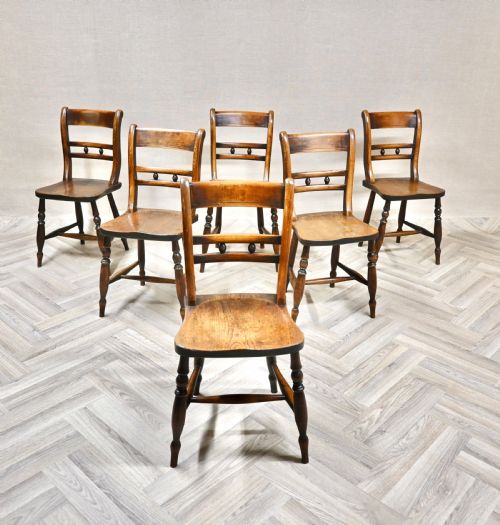
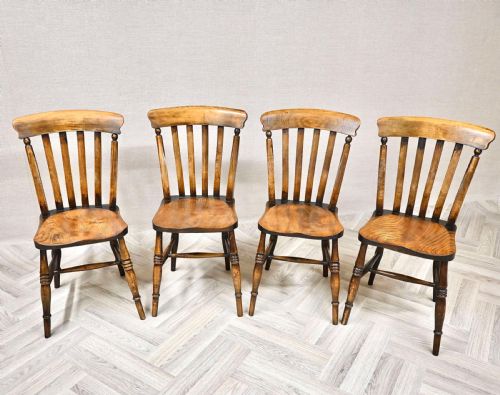
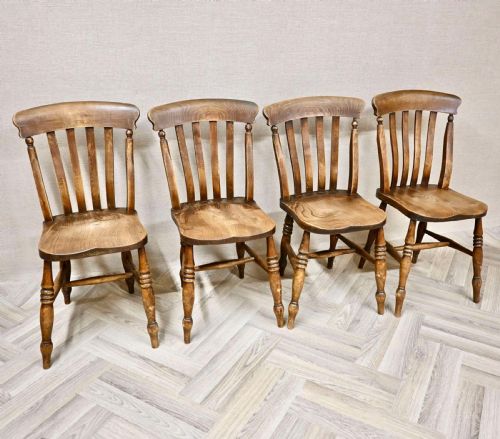
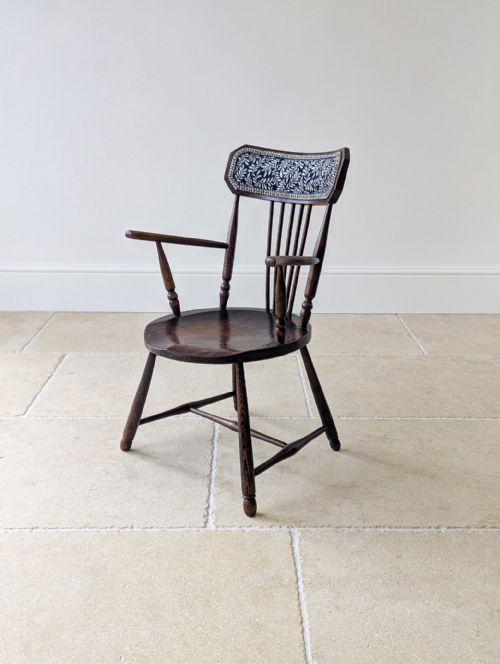
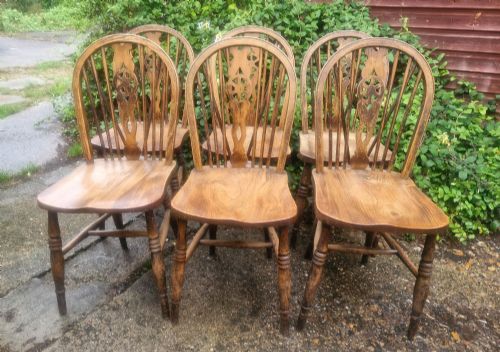
These vintage elm chairs are solid country seating built from durable native timbers to last generations.
Vintage Elm Chair
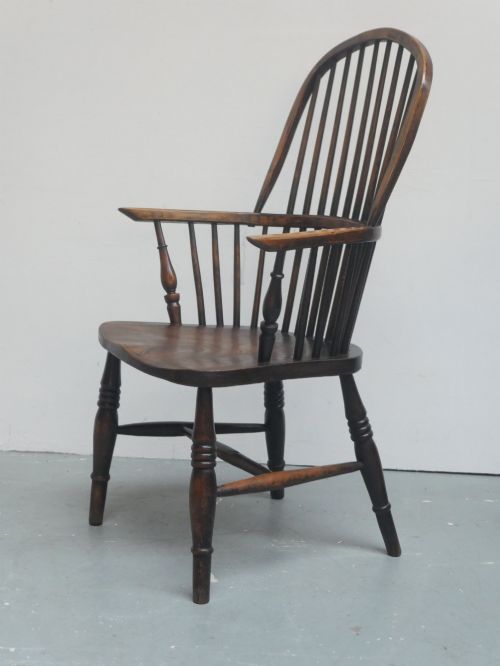
A vintage elm chair brings sturdy vernacular craftsmanship into modern spaces, drawing on centuries of English country furniture making. When searching for a vintage elm chair, buyers encounter everything from humble kitchen dining seats to robust Windsor armchairs.
The selection ranges across the nineteenth and twentieth centuries, taking in Victorian country pieces, Arts and Crafts designs, and utilitarian mid-century forms. Regional vernacular pieces, particularly from the Thames Valley, appear frequently alongside matched sets and single carvers.
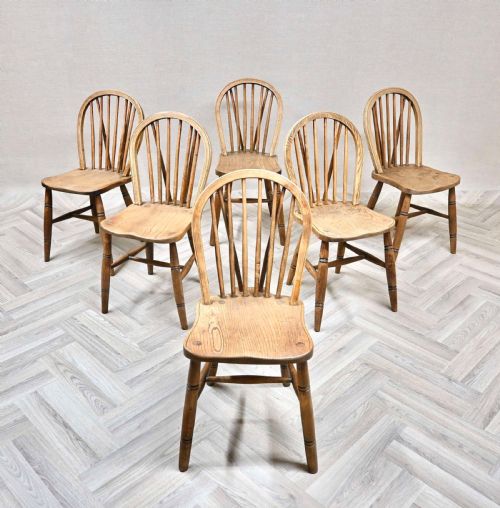
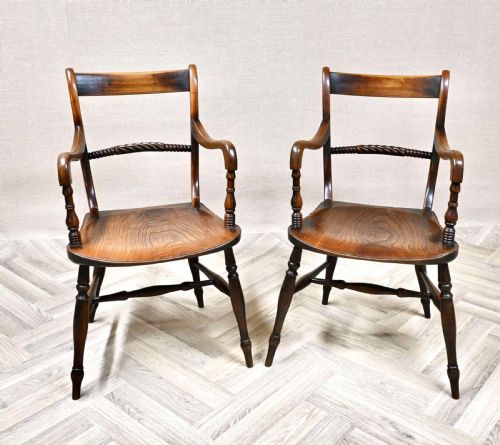
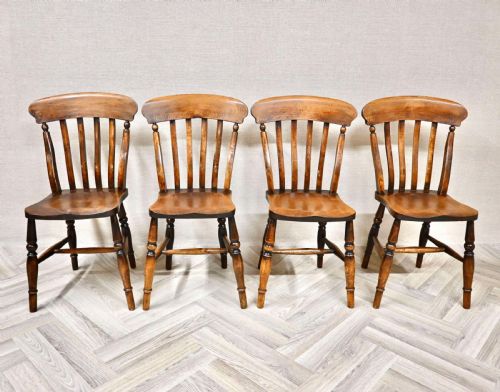
Forms span armchairs, captain's chairs, smokers' bows, wheelbacks, lathbacks, and child's chairs. Buyers often select these functional seats for everyday use around a kitchen table or as a characterful desk chair.
How they were made
Traditional makers paired an elm seat, chosen for its interlocking grain that resists splitting, with complementary timbers for the upper structure. Ash and beech commonly form the bentwood hoops, spindles, and legs, while yew appears in higher quality armchairs.
Constructors utilised solid wood construction methods such as wedged through-tennied joints and steam-bending. This combination of rigid plank seats and resilient turned or cleft spindles created furniture designed to endure heavy daily use.
Listings feature elm combined with ash, beech, oak, and yew wood across dining chairs, armchairs, and benches.
What varies in quality
Quality rests primarily on the character of the timber and the integrity of the original construction rather than surface finish. Finer examples display deeply dished solid elm seats paired with well-proportioned spindles and balanced arm bows.
The skill of the regional turner determines the elegance of the legs and stretchers. Original patination, minimal timber replacement, and tight joinery separate standard utility seating from superior vernacular pieces.
J Spencer
The Vintage Elm Chair Glossary
- Windsor chair
- A wooden chair built with a heavy solid plank seat into which the legs and back spindles are directly bored. This structural method produces a resilient seat suited to domestic and commercial interiors.
- Smoker's bow
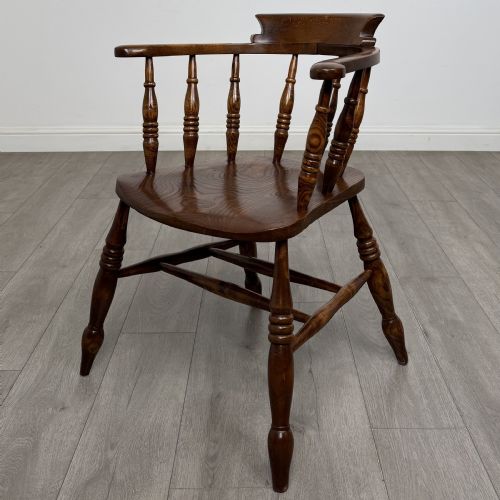
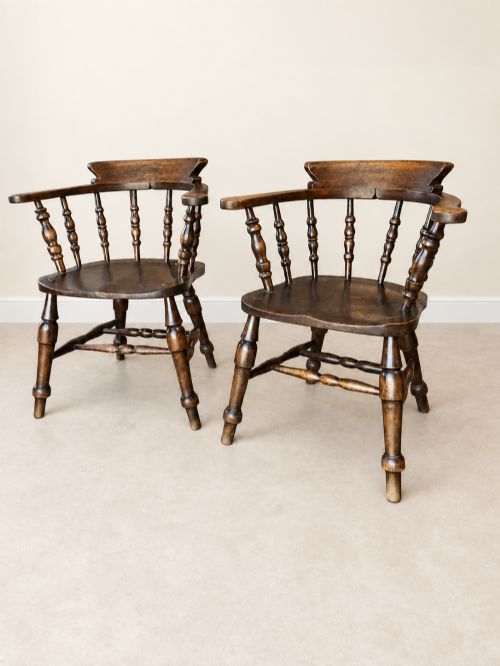
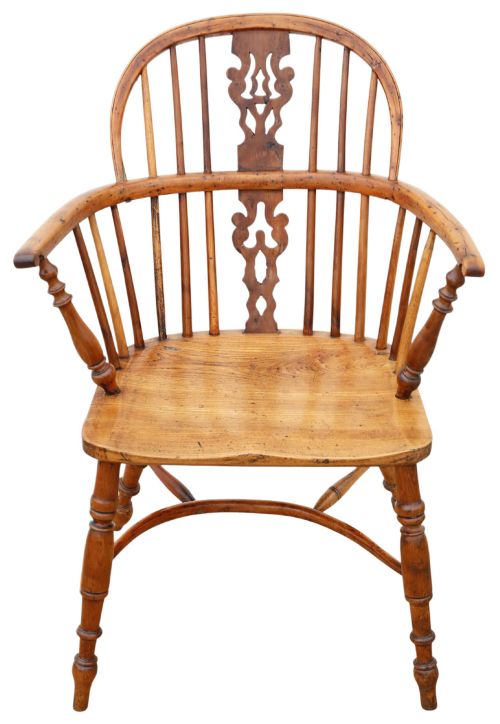
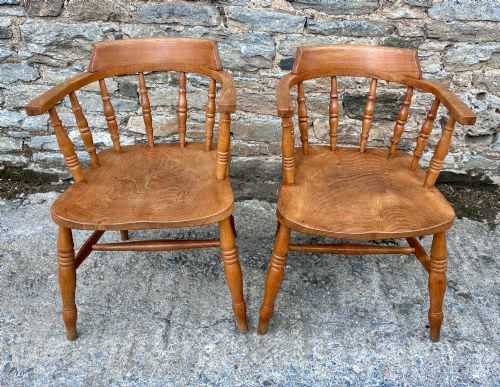
- A low-backed Windsor armchair featuring a continuous curved armrail supported by turned spindles above a thick wooden seat. These comfortable seats frequently served in public houses and offices.
- Wheelback
- A wooden dining chair featuring a pierced splat carved or shaped in the silhouette of a wheel. This decorative motif gained popularity during the Victorian period.
- Vernacular
- Furniture built by local rural craftsmen using regional traditions and readily available materials rather than following formal metropolitan design books. These pieces prioritise utility and local availability.
- Comb back
- A Windsor chair variation where the tall back resembles the teeth of a comb, featuring an upper horizontal headpiece resting on vertical spindles.
Vintage Elm Chair: Frequently Asked Questions
Are vintage elm chairs strong enough for daily dining?
Most vintage elm chairs were built for hard domestic service in farmhouse kitchens and remain exceptionally sturdy. The combination of a thick solid elm seat and pegged joints provides robust structural stability for everyday use.
Buyers should check that the legs remain firmly secured in the seat board and that any historic movement in the joints has been properly stabilised. With sensible maintenance, these chairs handle daily family meals without difficulty.
How do I identify a Thames Valley Windsor chair?
Thames Valley chairs typically combine native yew or elm with distinctive turned beech undercarriages and expressive crinoline stretchers. Regional makers in this area produced some of the most refined country armchairs found today.
Look for gracefully sculpted arm bows and distinctive saddle seats shaped for comfort. The wood often exhibits a rich warm tone developed over many decades of polishing.
How should I care for vintage elm wood?
Elm responds well to occasional application of traditional beeswax to nourish the timber and maintain a soft lustre. Keep the chairs away from direct heat sources and sudden temperature shifts to prevent the wood from drying out.
Avoid modern silicone polishes which build up a film over time. Gentle dusting with a dry cloth preserves the natural patination built up over generations of use.